Edf
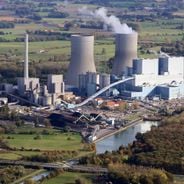
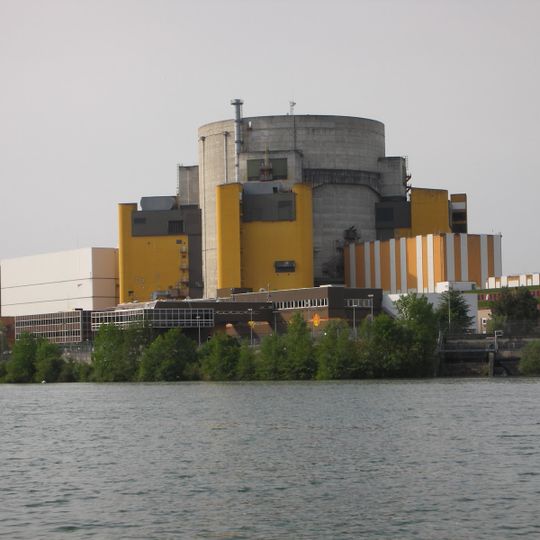
Edf is a nuclear power plant in Creys-Mépieu, France, that generated electricity for many years and is now undergoing dismantling. Large concrete buildings and cooling systems shape the site, which sits behind fences and gives a technical impression from outside.
The facility was built in the late 1970s and began operating in the mid-1980s to generate electricity using advanced reactor technology. After serving for many years, the plant was shut down in 1998 and has been undergoing dismantling ever since.
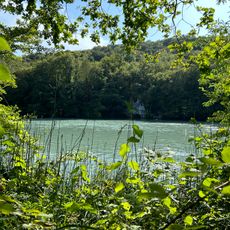
The site sits near the Rhône riverbank and is surrounded by rural countryside that offers a calm view during walks. Access is restricted, but the outer areas allow visitors to get a sense of the plant's scale.
During dismantling, enormous components such as a 540 ton lid were cut into several pieces, marking a globally rare operation at this location. The work proceeds step by step, and some processes take several days, highlighting the precision and patience of the technicians.
Location: Creys-Mépieu
Address: Hameau de, 38510 Creys-Mépieu, France
Phone: +33411288000
Website: https://edf.fr/centrale-nucleaire-creys-malville
GPS coordinates: 45.76128,5.47226
Latest update: December 5, 2025 13:16
This collection brings together nuclear power plants that have shaped the history of civilian nuclear energy. Some experienced accidents that changed the world’s view of nuclear energy. Chernobyl in Ukraine remains a symbol of the 1986 disaster, while Fukushima in Japan showed the risks of natural events. Three Mile Island in Pennsylvania paused the building of new reactors in the US for many years. Other sites are among the largest in the world, like Kashiwazaki-Kariwa in Japan or Bruce in Canada. Many places are facing challenges today, such as the Zaporijia plant in Ukraine. The collection also includes projects that tried to push the technical limits of this energy. Superphénix in France and Monju in Japan explored new types of reactors, with mixed results. Some facilities, like Bataan in the Philippines, were never operational despite being fully built. Others, like Oyster Creek or Tokai, helped start nuclear work in their countries. From Siberia to the United Arab Emirates, from Canada to India, these sites tell stories about energy choices, technical progress, failures, and questions that have surrounded this source of power for more than sixty years.
Aqueduc romain de Briord
3 km
St. Andrew's Castle
1.5 km
Nécropole gallo-romaine et mérovingienne des Plantées
3 km
Musée de la société d'histoire et d'archéologie de Briord
2.6 km
Briord bridge
3 km
Réserve naturelle régionale des étangs de Mépieu
3.3 km
Défilé de Malarage
3.1 km
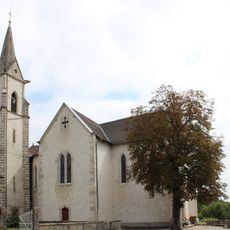
Église Saint-Jean-Baptiste de Briord
2.5 km
Église Saint-Didier de Montagnieu
3.5 km
Église Saint-Pierre de Mépieu
2.4 km
Forêt d'Aillon
3.2 km
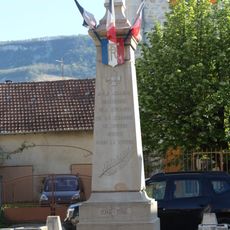
War memorial of Montagnieu
3.5 km
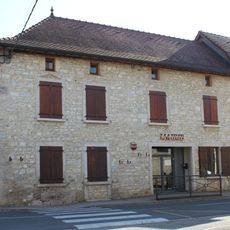
Town hall of Briord
2.6 km
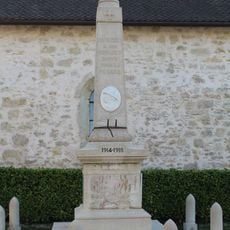
War memorial of Briord
2.6 km
Coteau sec de Saint-Didier
2.8 km
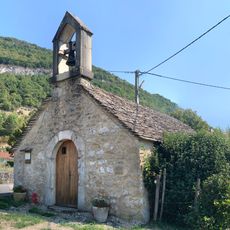
Chapelle de Crept
3.1 km
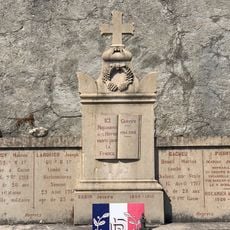
War memorial of Cemetery of Montagnieu
3.3 km
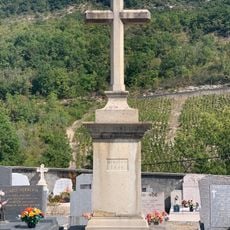
Cemetery cross of Montagnieu
3.2 km
Château de Montagnieu
3.3 km
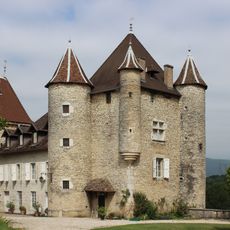
Château de Mépieu
2.3 km
Cemetery cross of Briord
2.7 km
Scenic viewpoint
894 m
Scenic viewpoint
3.1 km
Wayside cross, Christianity, Catholic church building
2.5 km
Wayside cross
3.1 km
Stèle de Vital Michalon
2.6 km
Wayside cross
3.2 km
Cimetière gallo-romain et paléochrétien
2.9 kmReviews
Visited this place? Tap the stars to rate it and share your experience / photos with the community! Try now! You can cancel it anytime.
Discover hidden gems everywhere you go!
From secret cafés to breathtaking viewpoints, skip the crowded tourist spots and find places that match your style. Our app makes it easy with voice search, smart filtering, route optimization, and insider tips from travelers worldwide. Download now for the complete mobile experience.
A unique approach to discovering new places❞
— Le Figaro
All the places worth exploring❞
— France Info
A tailor-made excursion in just a few clicks❞
— 20 Minutes