Cathédrale Notre-Dame, Gothic cathedral in the old town of Rouen, France
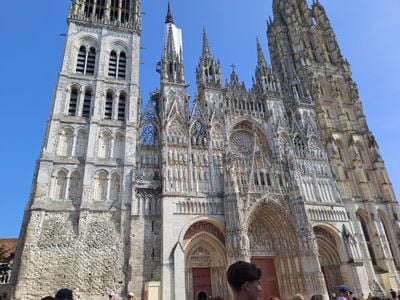
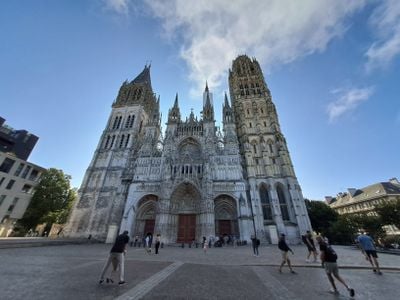
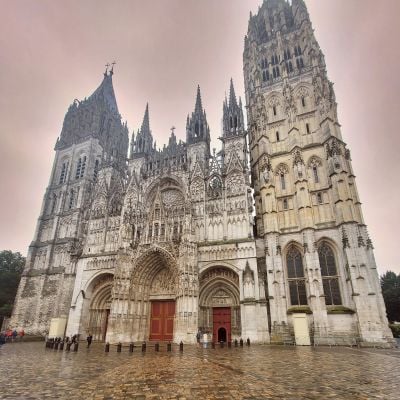
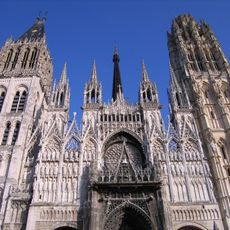
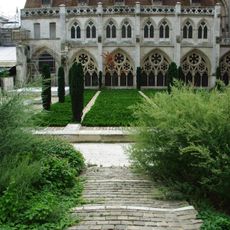
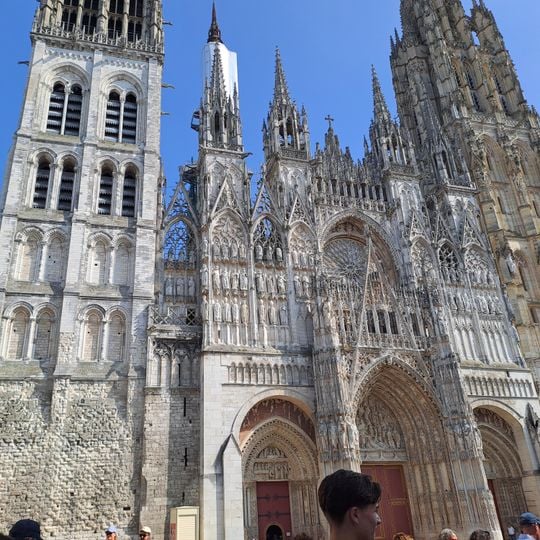
The cathedral of Notre-Dame in Rouen is a Gothic cathedral built in the old city center between the 12th and 16th centuries. Its wide west facade features three towers and hundreds of carved figures, while a tall cast-iron spire rises above the whole structure.
A Christian church stood on this site as early as the 4th century, but the building seen today was largely shaped after a Norman raid destroyed an earlier structure in the early 9th century, with construction continuing over the following centuries. Lightning strikes, wars of religion, and bombing in 1944 all left marks that were gradually repaired.
The cathedral is best known for inspiring Claude Monet, who painted its facade 28 times between 1892 and 1893 to capture how daylight changes its appearance hour by hour. Those paintings are now among the most recognized works of the Impressionist movement and are displayed in major museums around the world.
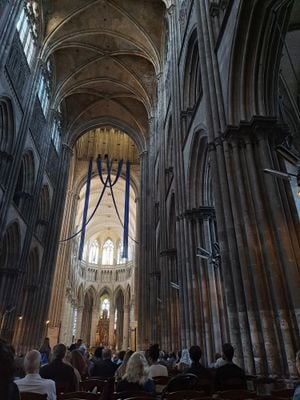
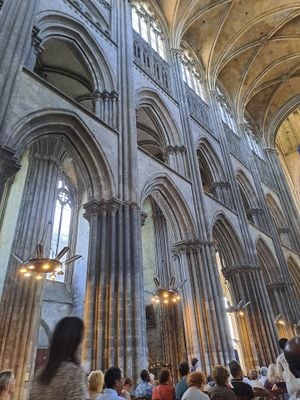
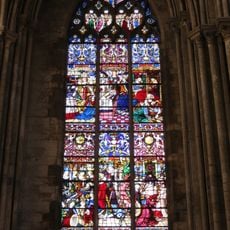
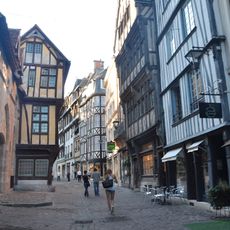
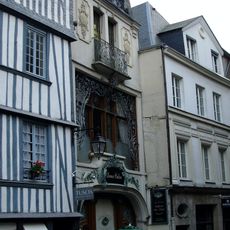
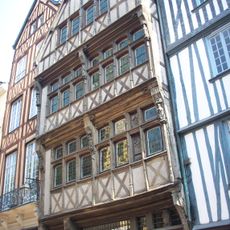
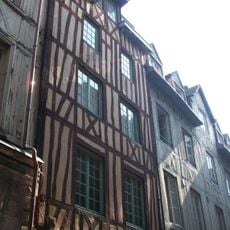
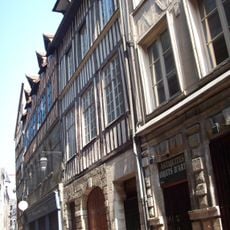
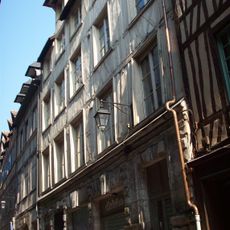
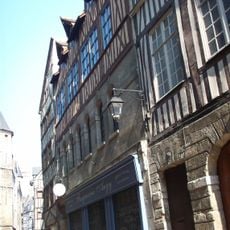
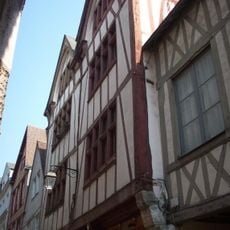
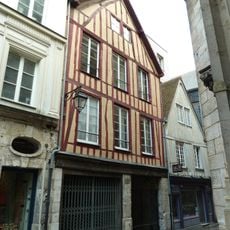
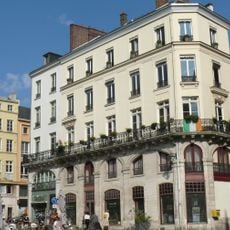
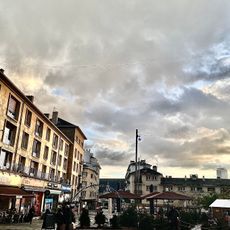
The cathedral sits in the heart of Rouen's old town, surrounded by narrow streets that are easy to walk. A visit works well both in daylight, when the stained glass windows glow from inside, and in summer evenings, when light projections are cast on the facade.
The heart of Richard the Lionheart is buried inside the cathedral, separately from the rest of his body, which rests at Fontevraud Abbey. The cast-iron spire, put up in the 19th century after a lightning strike, was a technical novelty at the time and briefly made this the tallest structure in the world.
The community of curious travelers
AroundUs brings together thousands of curated places, local tips, and hidden gems, enriched daily by 91,256 contributors worldwide.