Finnish Lakeland, Tourist attraction and administrative territory in Finland
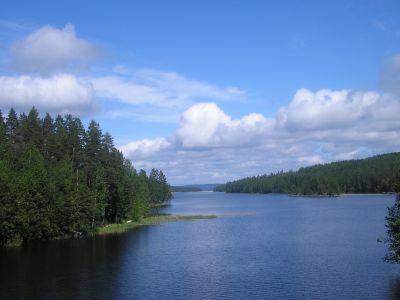
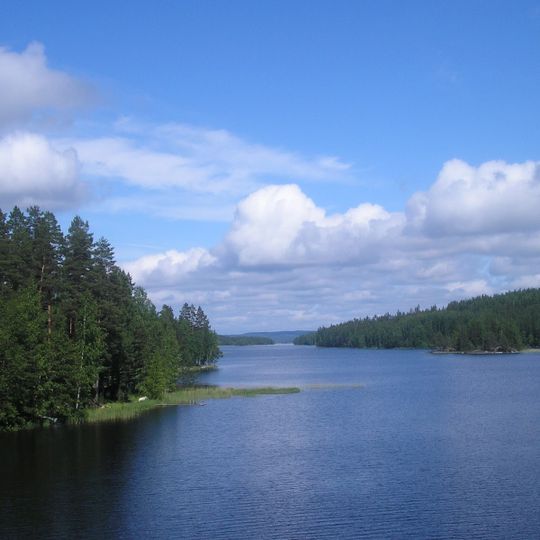
The Finnish Lake region is a tourist and administrative territory in central and eastern Finland, where lakes and forests cover most of the land. The lakes are linked by streams and rivers, forming a broad network of waterways dotted with small islands.
Most of Finland's lakes were shaped thousands of years ago when glaciers melted and left behind rock debris that formed natural dams. These barriers held back meltwater, gradually creating the lake landscape that still exists today.
Spending time at a lakeside cottage is a deeply rooted habit for Finnish people, and the Lakeland region is where this tradition plays out most visibly. Many families gather at small wooden cabins, heat the sauna, and then jump straight into the lake, a ritual practiced across all seasons.
The region is easiest to reach by car or train from Helsinki, with the trip taking just a few hours. Summer is good for boat trips and hiking, while winter opens the frozen lakes to skating and cross-country skiing.
Some Finnish lakes, such as Lappajärvi, were not shaped by glaciers but by a meteorite impact around 73 million years ago. Others, like Lokka and Porttipahta, are not natural at all but were created by artificial dams built in the 20th century.
The community of curious travelers
AroundUs brings together thousands of curated places, local tips, and hidden gems, enriched daily by 60,000 contributors worldwide.