Abadan, City in southwest Iran
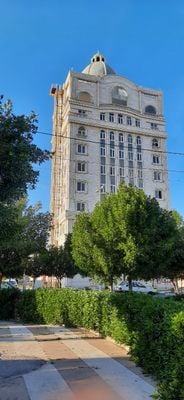
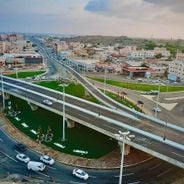
Abadan is a city in the southwest of Iran, located on a narrow peninsula in Khuzestan province, surrounded by the Arvand waterway on one side and the Bahmanshir outlet of the Karun River on the other. It sits close to the border with Iraq and not far from the Persian Gulf, giving it the feel of a port city on flat, water-edged land.
Abadan's growth began in the early 20th century when a British oil company built a refinery here and turned the city into a major center of the global oil industry. In the 1980s, the Iran-Iraq War hit the city hard, forcing nearly all residents to leave and leaving much of it in ruins before the siege was broken in 1981.
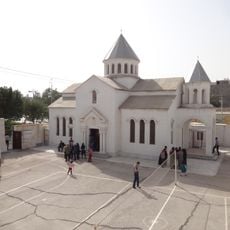
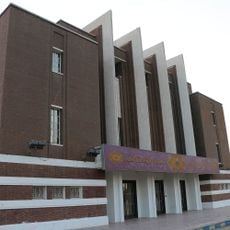
Abadan was once known for a daily life where churches stood next to mosques and people from Iran, India, Armenia, and other countries lived side by side. That mix is still visible today in the older neighborhoods, where red brick buildings built by the British oil company stand next to more traditional Iranian houses.
The best time to visit is in fall or winter, when the heat eases off, since summers here can be very intense. Walking through the older parts of town and visiting the war museum are good ways to get a sense of the city.
The first oil refinery ever built in Iran still stands in Abadan and remains one of the largest exporting refineries in the world. In its early days, streets in the city carried English names, including one named after Piccadilly Circus in London.
The community of curious travelers
AroundUs brings together thousands of curated places, local tips, and hidden gems, enriched daily by 90,812 contributors worldwide.