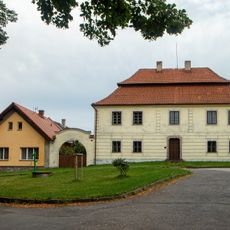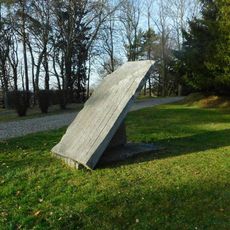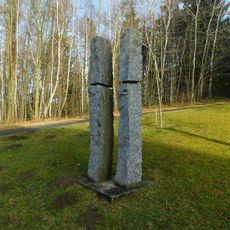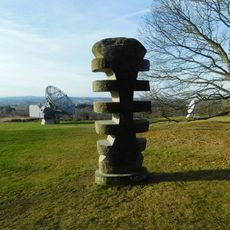
Ondřejov Observatory, Astronomical observatory in Ondřejov, Czech Republic
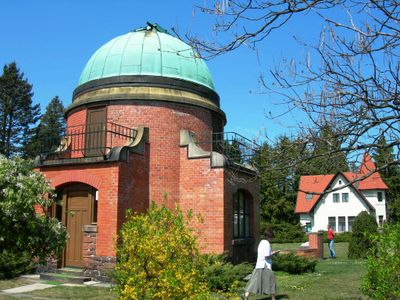
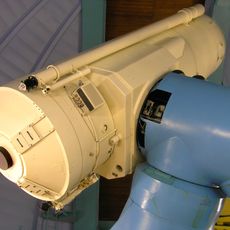
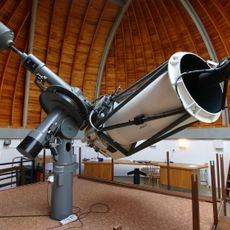
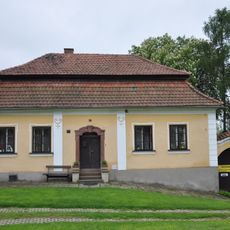
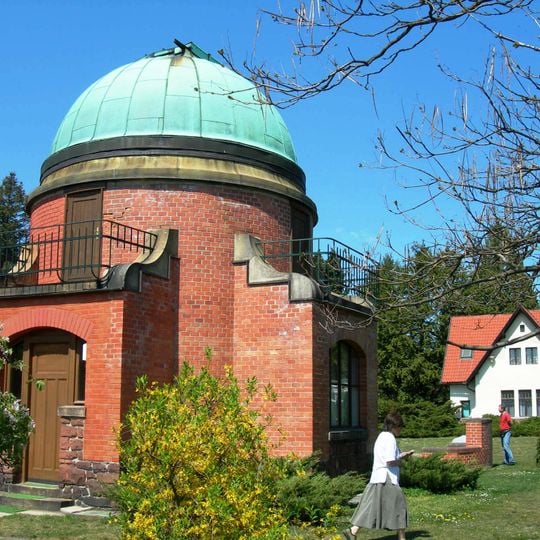
Ondřejov Observatory is an astronomical facility in the Central Bohemian Region situated at 500 meters elevation with multiple research facilities and telescopes, including the country's largest optical instrument. The site features exhibition spaces displaying astronomical equipment and instruments.
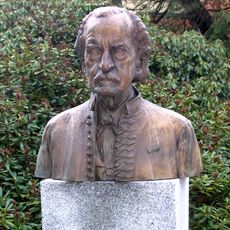
Josef Jan Frič founded the observatory in 1898 as a private facility and donated it to the Czechoslovak state in 1928 to mark the nation's tenth independence anniversary. This donation transformed it into a major scientific institution for the entire country.
The observatory keeps a small Czechoslovak flag that Eugene Cernan, commander of Apollo 17 and the last person to walk on the Moon, carried with him to the lunar surface. The grounds also hold an orchard and an arboretum among the domes.
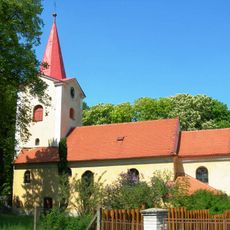
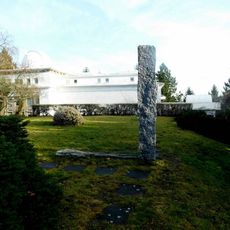
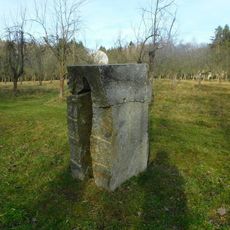
The observatory stands on Manda hill above Ondřejov, about 35 km southeast of Prague, at roughly 500 m elevation. The grounds cover about 30 hectares, partly used as an orchard and arboretum, and guided tours and observing sessions are offered. The rural site is hard to reach without a car.
The Minor Planet Center credits 23 minor planets directly to "Ondrejov" for 1997–2008, while most of the observatory's more than 700 discoveries are credited to individual astronomers. The main-belt asteroid 7204 Ondřejov, found by Petr Pravec in 1995, is named after the village.
The community of curious travelers
AroundUs brings together thousands of curated places, local tips, and hidden gems, enriched daily by 92,310 contributors worldwide.