Jenerálka, Cultural monument and château in Dejvice, Czech Republic
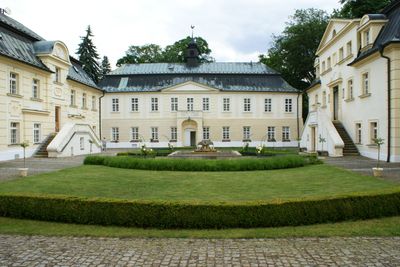
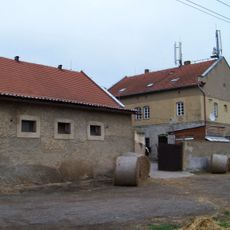
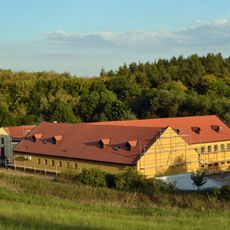
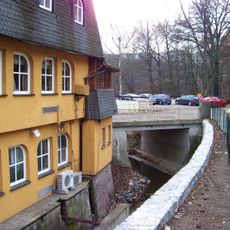
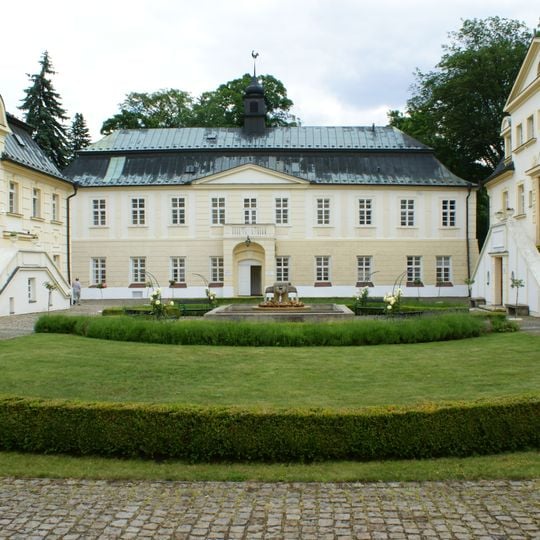
Jenerálka is a two-story château in Dejvice with neo-baroque styling, displaying symmetrical wings and ornate façades across its structure. The building now serves as an educational facility and shows the architectural language of early 20th-century transformation.
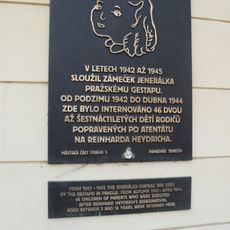
The estate's core dates to the 1790s, when vineyards near Strahov Monastery were secularised under Joseph II and building began; the unfinished property was sold in 1826 to baker Ignác Komm, who completed it by early 1828. In 1922 the Legion Bank bought it for the Legionaries' Social Institute, rebuilt in pseudo-baroque style in 1923–26, and from 1939 the Gestapo ran a children's home here before deporting the children in 1944.
The name comes from the word "generál": in the second half of the 18th century part of the Austrian general staff was reportedly stationed at the estate. Today the grounds house the International Baptist Theological Seminary, which moved here from Switzerland in 1997, and an English-language kindergarten.
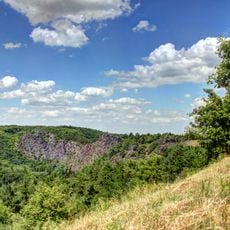
The grounds are private: since 1994 the European Baptist Federation owns the château, which houses the International Baptist Theological Seminary, a hotel, dormitories and an English-language kindergarten. The courtyard fountain dates from 1997. The Divoká Šárka nature park and the restaurants Jenerálka and Hrvatski Mlýn lie close by.
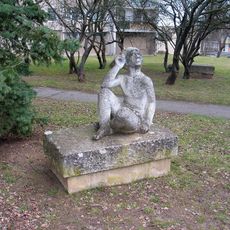
The painter August Bedřich Piepenhagen lived at Jenerálka and died there in 1868. The château's mansard roof carries a small tower topped by a weather vane shaped like a rooster, and a double staircase decorated with figures of cupids leads down to the former English park.
The community of curious travelers
AroundUs brings together thousands of curated places, local tips, and hidden gems, enriched daily by 92,357 contributors worldwide.