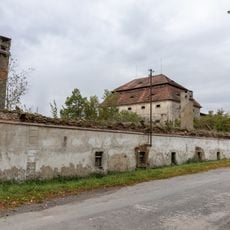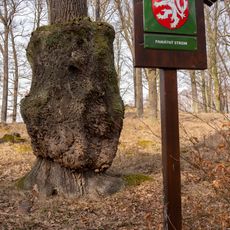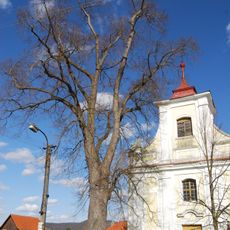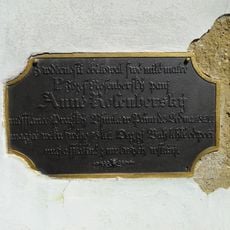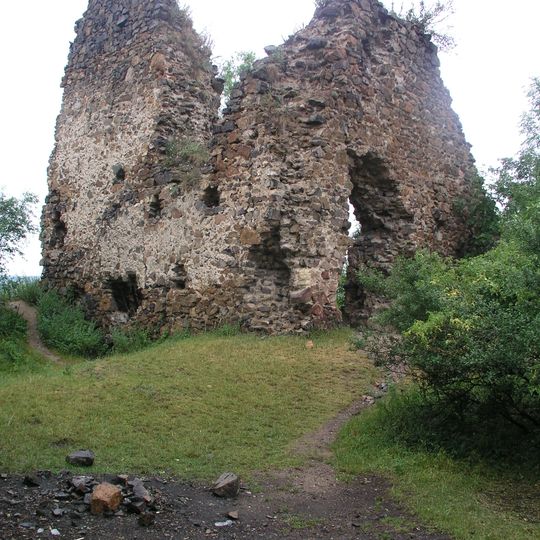
Týřov, Castle ruin in Karlova Ves, Czech Republic
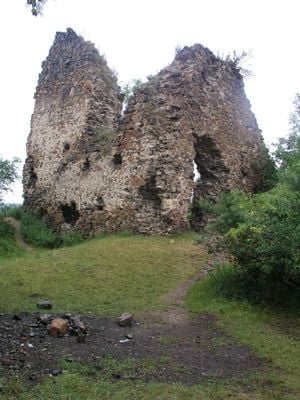
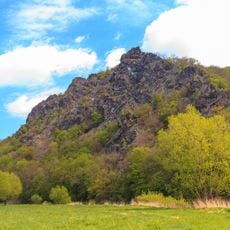
Týřov is a ruined castle of the French castrum type, built in the 13th century on a promontory above the confluence of the Úpořský potok and the Berounka, about 310 m above sea level. Its two-part layout has a lower ward with six flanking towers and an upper ward dominated by a 12 × 12 m donjon. Týřov is the only Czech castle where a châtelet, a foregate with corner turrets, was used.
Týřov was founded by King Wenceslaus I at the start of his reign and is first mentioned in September 1249, when the king imprisoned his rebellious son Přemysl here. Charles IV bought the castle back for the crown in 1333 and listed it in the Majestas Carolina as conditionally alienable. It was recorded as deserted in 1575.
The castle's Czech name Týřov and its German name Angerbach were used side by side from the start; the German form refers to the brook below the walls. The ruin lies in the Týřov National Nature Reserve, and the yellow-marked trail from Skryje follows the Berounka for about two kilometres to the site.
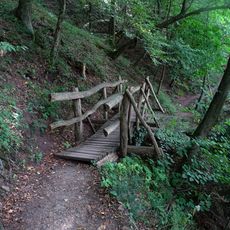
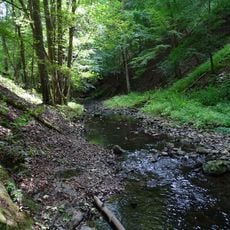
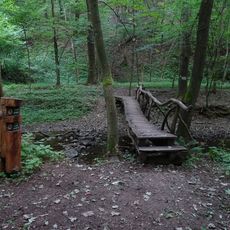
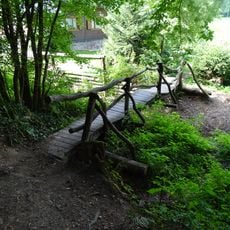
You can reach the ruins from the village of Skryje using marked hiking trails that combine river views with forest walking routes. The paths are well-marked, so visitors can easily navigate and set their own pace.
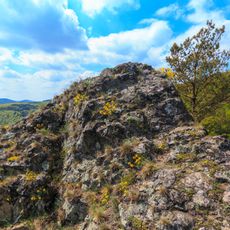
Týřov is the only Czech castle where a châtelet, a gatehouse forework with corner turrets, was built. The lower castle's defence rested on six flanking towers, and a forward bastion stood on a rocky ridge about 400 metres north of the core. Part of the donjon wall collapsed after rain on 17 July 2015.
The community of curious travelers
AroundUs brings together thousands of curated places, local tips, and hidden gems, enriched daily by 93,640 contributors worldwide.