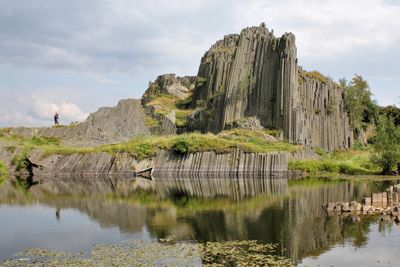
Panská skála, National natural monument in Kamenický Šenov, Czech Republic.
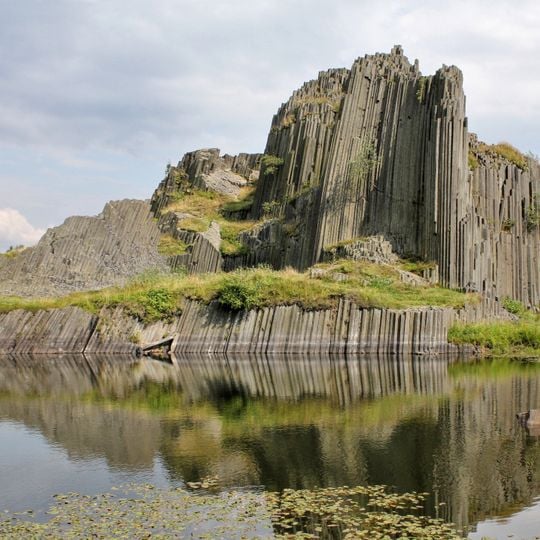
Panská skála is a basalt outcrop in Kamenický Šenov whose columns, about 20–25 cm across and up to 20 m high, stand mostly vertical and slightly tilted. The highest section is on the right, while the left side drops in stepped tiers; grass and low vegetation grow on the ledges. A small lake fills the floor of the former quarry at the base.
The basalt columns formed around 30 million years ago from volcanic activity in the region. In 1895, the site received legal protection, though quarrying continued until 1914.
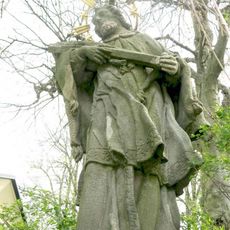
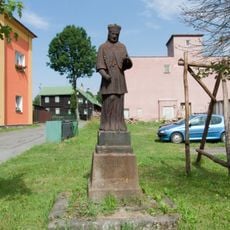
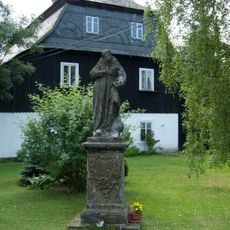
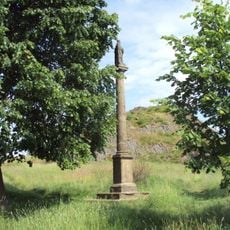
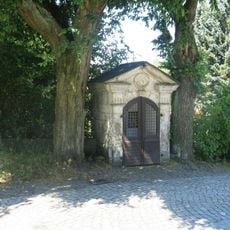
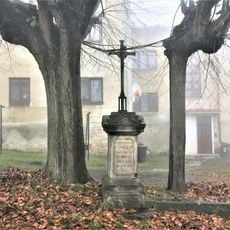
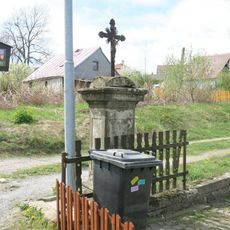
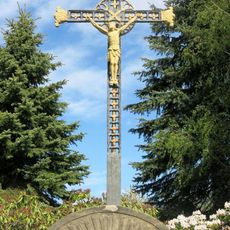
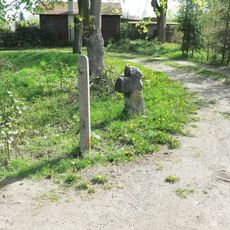
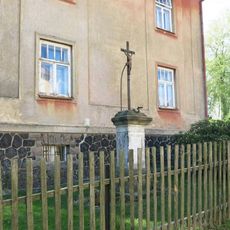
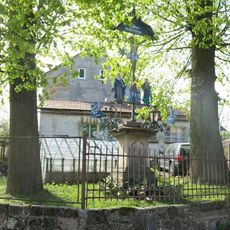
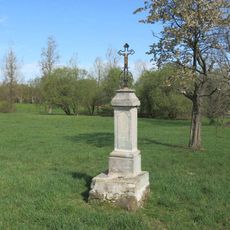
The Czech name Varhany, "organ pipes", comes from the German Herrenhausfelsen, literally "manor house rock", which was translated into Czech. A Marian column stands on the southeastern slope, erected for a young couple who froze there on a stormy night in 1739.
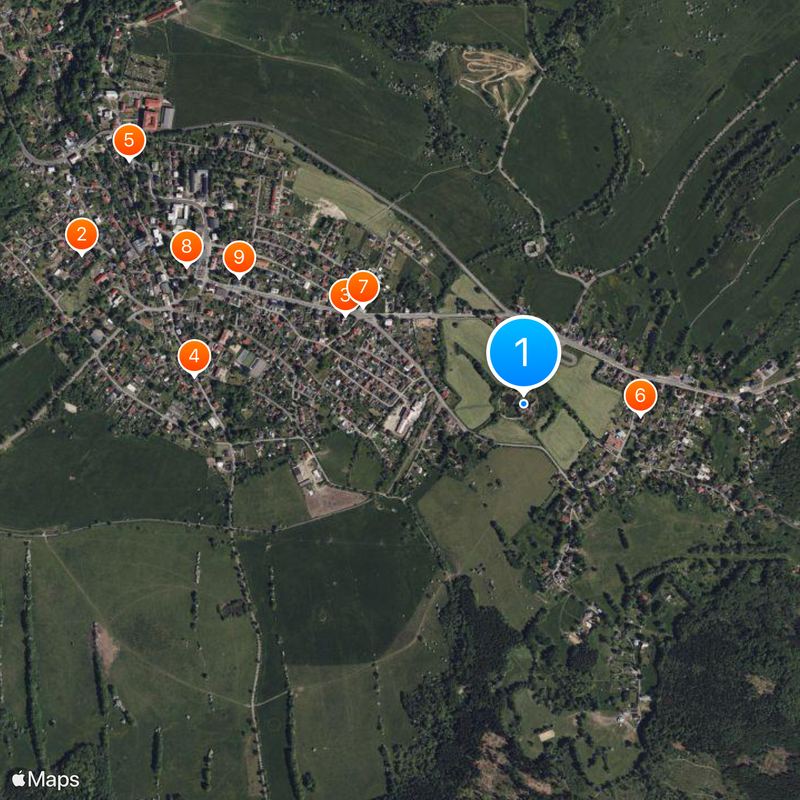
A paid car park with tourist information and toilets stands in front of the monument, beside the E442 road between Ústí nad Labem, Děčín and Liberec. A marked path leads around the old quarry and its small lake; the cycle route Varhany runs along the former railway line from Česká Lípa to Kamenický Šenov, closed in 1979.
A Marian column stands on the southeastern slope, erected in memory of a young couple who froze to death there on a stormy night in 1739. The column is easy to miss when attention is fixed on the basalt wall.
The community of curious travelers
AroundUs brings together thousands of curated places, local tips, and hidden gems, enriched daily by 92,079 contributors worldwide.