Płyta Czeska, Geomorphological subprovince in Czech Republic
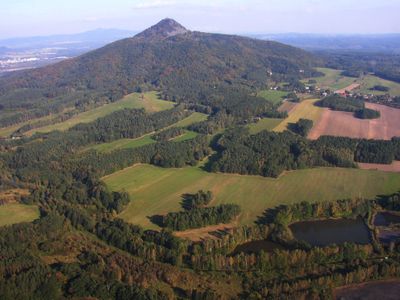
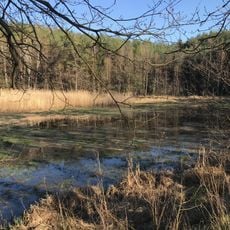
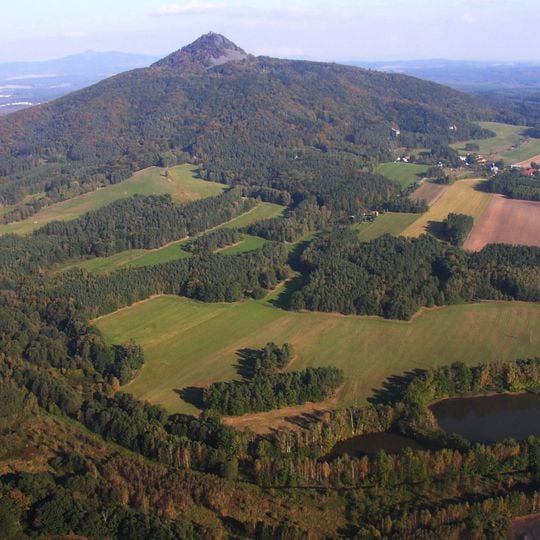
The Czech Plateau is a broad plain in northern Czech Republic characterized by sandstone formations and varied geological structures throughout the region. The area spreads across extensive zones with gentle rises and depressions, showing diverse rock layers from different geological periods.
The area formed during the Upper Cretaceous period when marine environments deposited sandstones, mudstones, and other sedimentary rocks. These geological processes left behind the layered formations and structures visible in the region today.
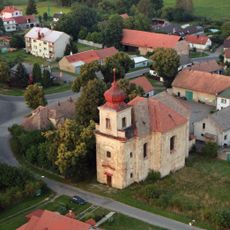
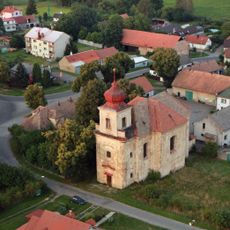
The terrain has shaped how people settled and farmed here over centuries, with villages and fields adapting to the natural slopes. In the flatter zones, productive agricultural areas developed that still define much of the landscape today.
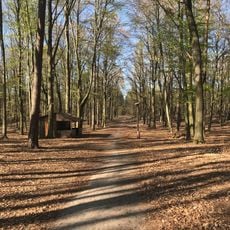
Walking trails and lookout points provide access throughout the area to explore formations and view the landscape from different vantage points. The terrain is gently rolling with some flat sections, and visitors should be prepared for varying ground conditions depending on the season.
Mount Ralsko rises as the highest point in this geological system and offers far-reaching views across the surrounding landscape from its summit. This prominent elevation stands out distinctly from the otherwise flat to gently rolling terrain of the broader region.
The community of curious travelers
AroundUs brings together thousands of curated places, local tips, and hidden gems, enriched daily by 90,757 contributors worldwide.