The Chateau at Klášterec nad Ohří, Château in Klášterec nad Ohří, Czech Republic
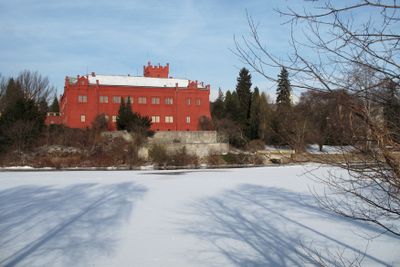
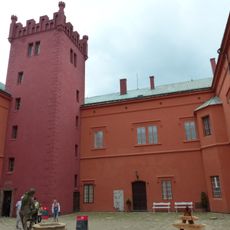
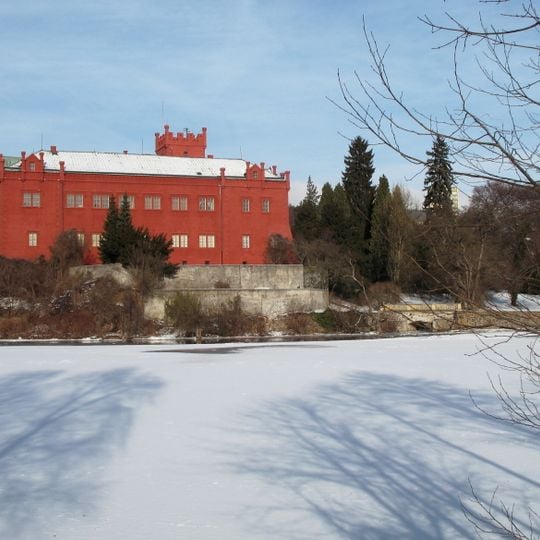
The Chateau at Klášterec nad Ohří is a four-winged château on a rise above the Ohře, first built as a manor house in 1515 and enlarged from 1590 with a tower. Its courtyard keeps two epitaphs of the Vitzthum family, and the interiors were decorated with late-Renaissance stucco.
Volf Dětřich z Fictumu built a small fortress here in 1514 to replace the inconvenient Šumburk castle. Lev z Fictumu had it rebuilt in Renaissance style with sgraffito plaster in the 1560s and 1570s, and by 1590 it was a four-winged château. Confiscated after the 1618–1620 estates uprising, it was bought on 2 June 1623 by Kryštof Šimon Thun; Swedish troops burned it with the town in 1639, and Michael Osvald Thun-Hohenstein had it rebuilt from the early 1660s, probably to plans by Carlo Lurago.
The château displays a porcelain collection from the Museum of Decorative Arts in Prague, shown in 21 rooms on the first floor. It traces over 200 years of Bohemian and Czech porcelain making, with pieces from works at Slavkov, Klášterec nad Ohří, Březová, Chodov, Stará Role, Dalovice, Loket and elsewhere. The Thun family founded the town's porcelain manufactory in 1794.
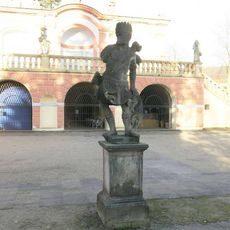
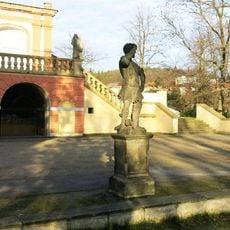
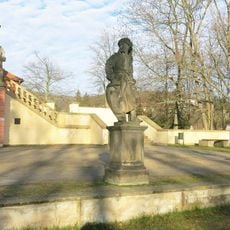
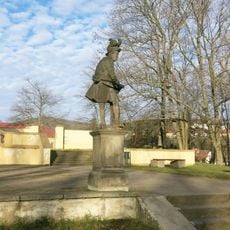
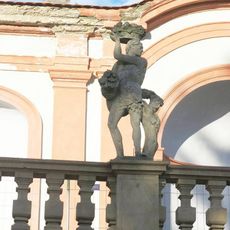
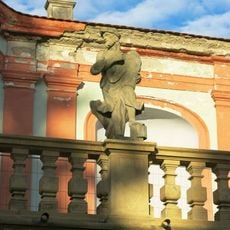
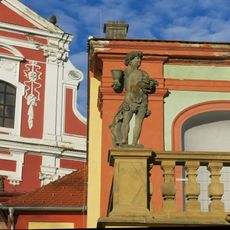
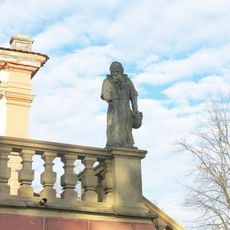
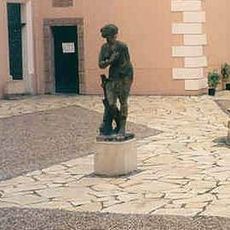
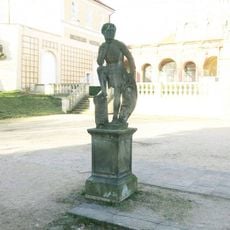
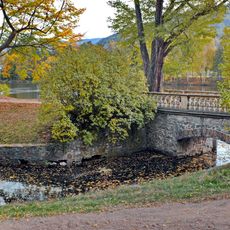
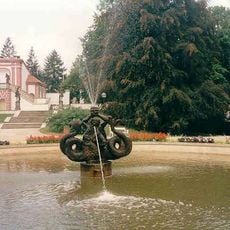
The château stands on a rise by the Ohře, its entrance facing the sala terrena, where Jan Brokoff's allegorical sculptures of Africa, America, Ulysses, Asia and Europe stand. The grounds are a landscaped park with rare trees and shrubs, among them a ginkgo. The porcelain exhibition occupies 21 rooms on the first floor.
In the castle courtyard stand two epitaphs of the Vitzthum family, who built the manor here in 1515; the German sources record them as still in place, a detail most visitors walk past on the way to the porcelain exhibition.
The community of curious travelers
AroundUs brings together thousands of curated places, local tips, and hidden gems, enriched daily by 92,082 contributors worldwide.