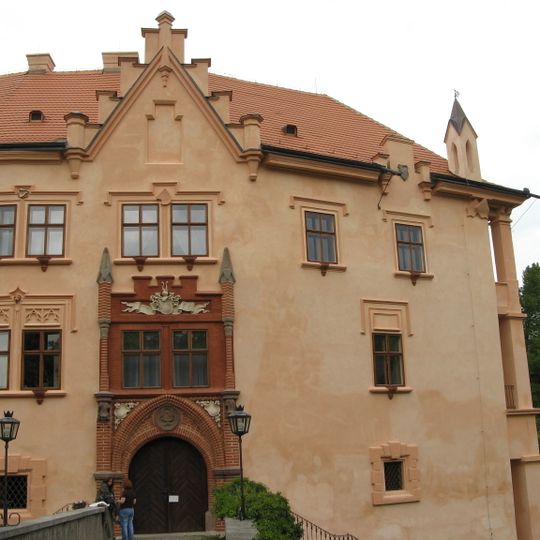
Vrchotovy Janovice Castle, Gothic Revival château in Vrchotovy Janovice, Czech Republic
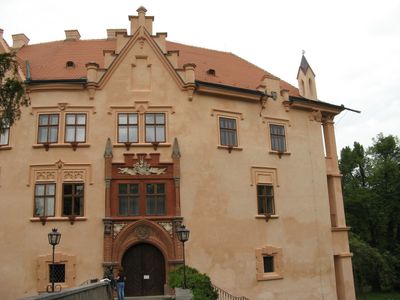
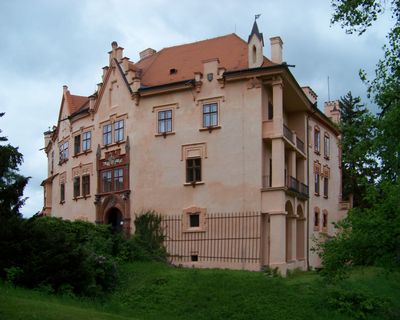
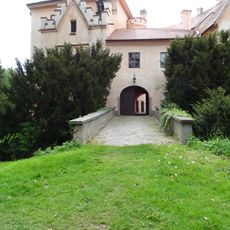
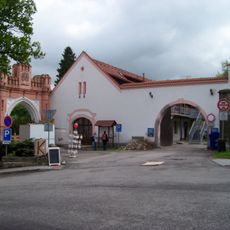
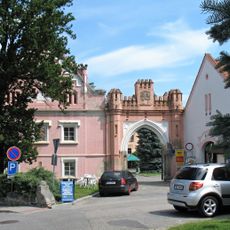
Vrchotovy Janovice Castle is a three-winged building on an irregular triangular plan around a closed courtyard, entered through two passages over vaulted stone bridges. Its pale pink facade has a gabled left section with a reddish-brown projecting portal, a carved crest above the dark wooden doors, and a tower with a steep pyramidal roof on the right. The east wing, probably from the 15th century, is the oldest part.
A small castle founded in the mid-14th century, rebuilt as a Renaissance château around 1600 and altered in Rococo style during the 18th century. In 1879 Baron Karel Ludvík Nádherný commissioned architect Josef Mocker to remodel it in Gothic Revival style, though only part of the project was realised.
The castle's exhibitions include a portrait of Sidonie Nádherná painted by Max Švabinský in 1906, shown near displays on Rilke, Kraus and the castle's salon years. A separate collection traces Czech bell-founding, and the 19th-century society rooms hold objects such as Karel Havlíček Borovský's guitar and a period puzzle.
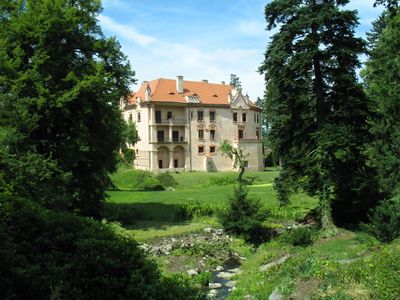
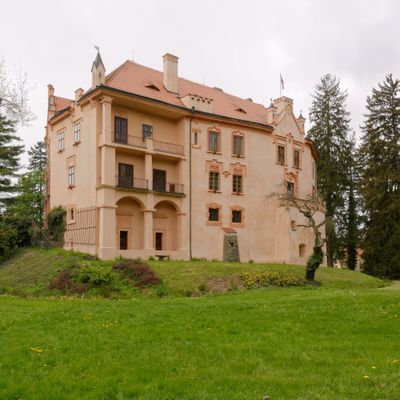
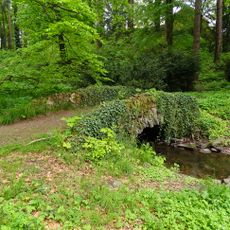
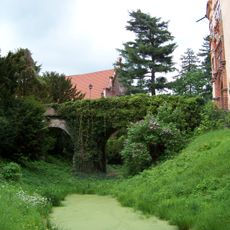
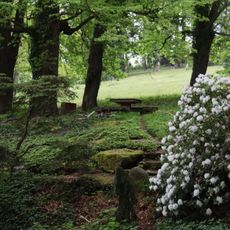
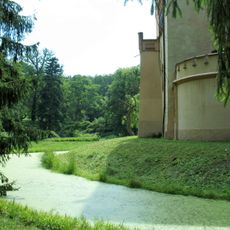
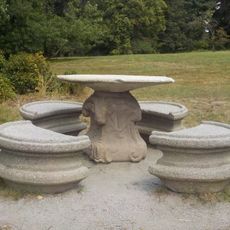
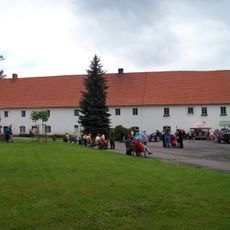
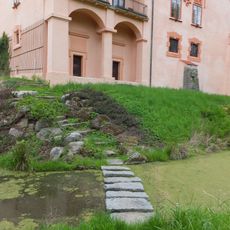
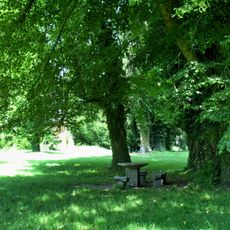
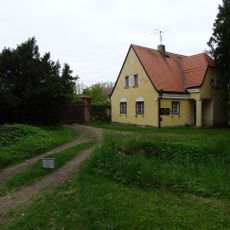
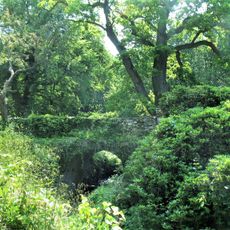
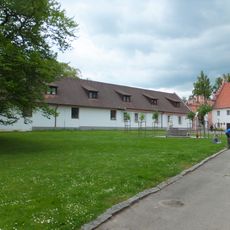
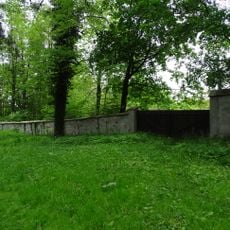
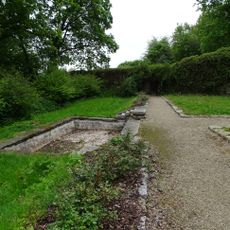
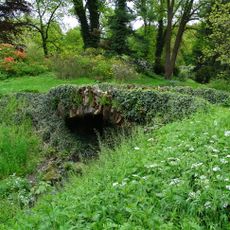
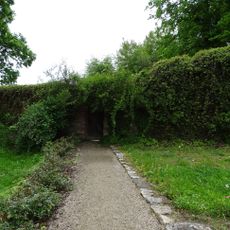
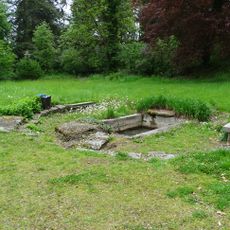
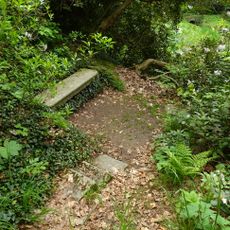
The castle stands in the centre of Vrchotovy Janovice, in the Benešov district, with its former farm and administrative buildings to the south. The three-winged core has an irregular triangular plan around a closed courtyard reached by two passages over vaulted stone bridges. Remains of the water ditch are still visible around the building, and an English park with an artificial lake lies beside it.
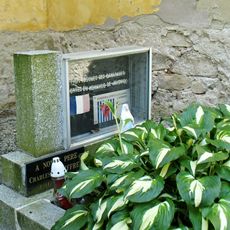
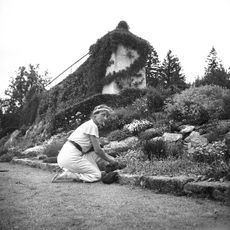
Karl Kraus visited Sidonie Nádherná at the castle for twenty years, while Rainer Maria Rilke came only about three times. Nádherná's remains were transferred to the castle park from England in 1999; the communists had forced her into exile there in 1949.
The community of curious travelers
AroundUs brings together thousands of curated places, local tips, and hidden gems, enriched daily by 92,142 contributors worldwide.