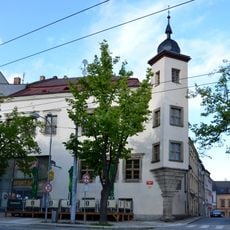
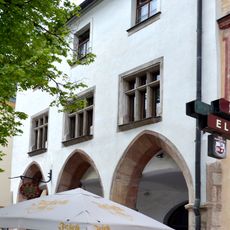
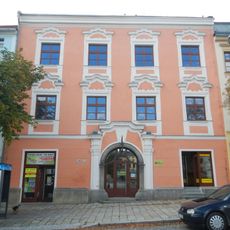
Underground in Jihlava, Medieval catacombs in Jihlava, Czech Republic
The Underground in Jihlava is a tunnel system of about 25 km in length and 50,000 m² in area, dug between the 14th and 16th centuries in gneiss and granite. Miners carved three levels, first as cellars beneath narrow house plots, later linked by corridors; the passages lie under the whole town and most of its monuments.
The cellars beneath Jihlava's houses were dug from the mid-13th century and expanded into three levels between the 14th and 16th centuries, when unemployed miners were hired to cut passages through gneiss and granite. A 1328 earthquake damaged the silver mines, and crafts and trade took over, with cellars storing cloth, food, wine and beer. The tunnels opened to visitors in 1936, closed under Nazi rule, reopened in 1949–1969, and were made accessible again in 1990.
The name "catacombs" is colloquial: no burials have ever been found in the tunnels, which served as cellars, workshops and storage for cloth, food, wine and beer. The passages are entered through a narrow shaft called a "šíje", and wealthy owners dug cellars larger than their houses above.
Visitors should wear sturdy footwear and join guided tours to explore the underground passages safely and properly. The tunnels maintain steady temperatures year-round, so bringing a light extra layer is a practical choice.
In the so-called glowing corridor, experts believe the German army painted the walls with Lichtgelb, a luminescent paint containing wurtzite. The passage also has a niche where some visitors report sensing paranormal forces; reporter Stanislav Motl spent several nights there and filmed a shadow resembling a person.
The community of curious travelers
AroundUs brings together thousands of curated places, local tips, and hidden gems, enriched daily by 93,786 contributors worldwide.