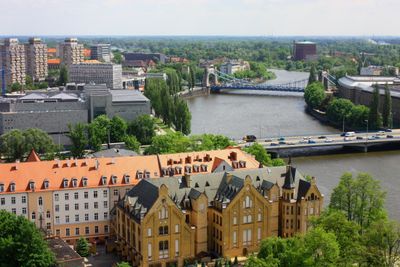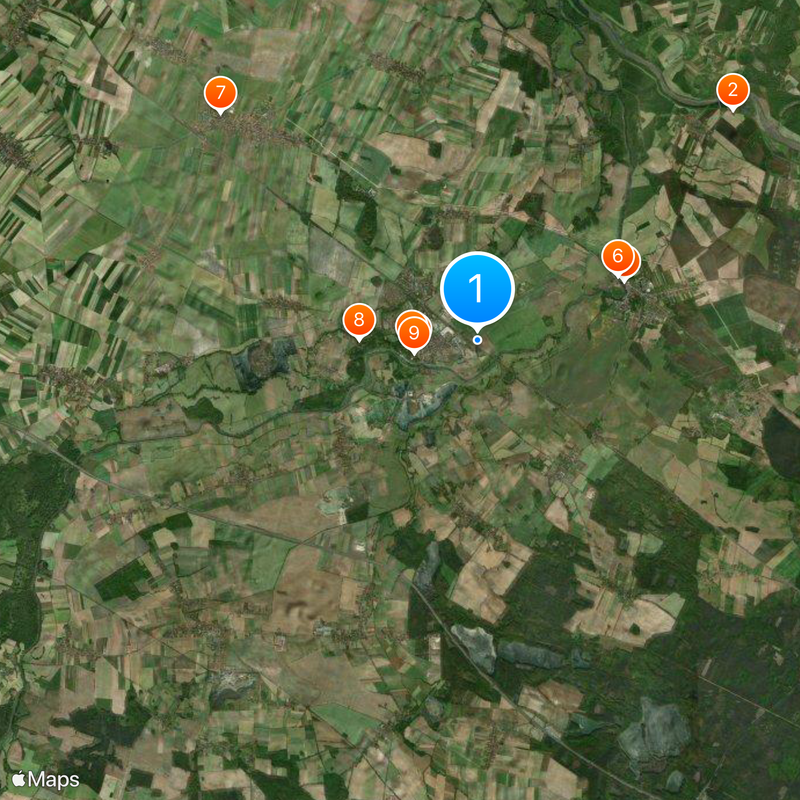
Silesian Lowland, Fertile lowland region in central Poland and northeastern Czech Republic.
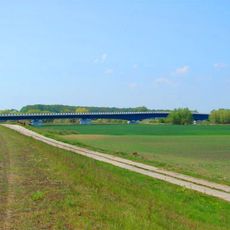
The Silesian Lowland spans the upper Oder basin with gently sloping plains covered in productive agricultural soils. The landscape is interspersed with small lakes, wetlands, and streams that create natural drainage patterns across the region.
The region fell under Great Moravian control in the 9th century before passing to the Piast dynasty of Poland. Over subsequent centuries, it shifted between various European powers, becoming an important agricultural and trade center.
Farming communities across this lowland have shaped the landscape through centuries of crop cultivation and orchard management. This agricultural way of life remains visible in the patchwork of fields and in local food traditions that visitors encounter today.
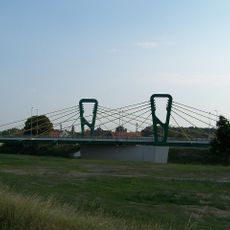
The lowland is well connected by roads and railways linking major towns across the region. The flat terrain makes it easy to travel and explore using various means of transportation.
The lowland is divided into several distinct geographical subdivisions including the Oleśnica Plain, Racibórz Basin, and Głubczyce Plateau. Each subdivision displays different soil compositions and water features that influence how the land is used and managed by local farmers.
The community of curious travelers
AroundUs brings together thousands of curated places, local tips, and hidden gems, enriched daily by 90,988 contributors worldwide.