New synagogue, Cultural monument synagogue in Zámostí, Czech Republic
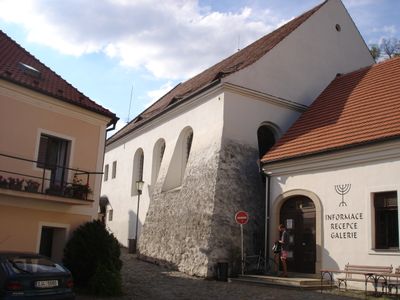
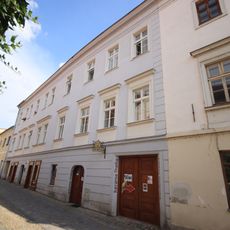
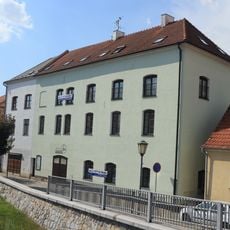
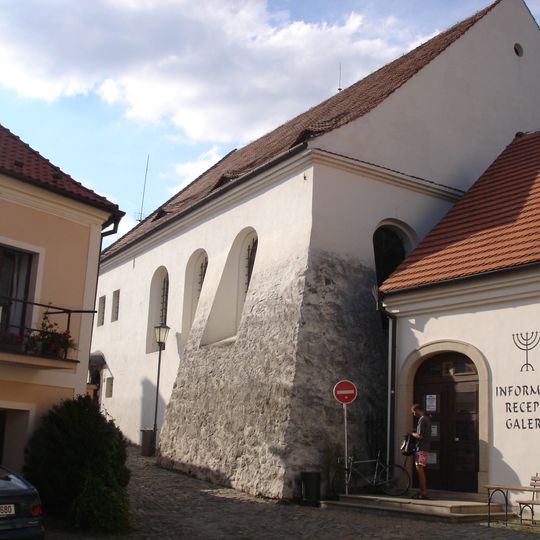
The New Synagogue, also called the Rear Synagogue, is a Renaissance building erected around 1669 in Zámostí, the former Jewish quarter of Třebíč. Its eastern wall faces Israel and once held the Torah ark; the women's gallery was added on the north side in 1837. Inside, Hebrew biblical verses and Talmud quotations painted by Arje Lejb in 1706–1707 cover the walls, and the ceiling carries Baroque stucco work.
Built around 1669 in Renaissance style, it was the second large synagogue in Třebíč after the Old Synagogue. In 1693 Count Valdštejn ordered its roof demolished; it was repaired between 1705 and 1707 under Jan Karel of Valdštejn and rebuilt in Baroque style. From 1926 it served as a warehouse, and after 1988 it was fully restored.
The building's names — New Synagogue, Rear Synagogue, High Synagogue, Upper Prayer House — reflect its position behind the older synagogue in the Jewish quarter. Since 1997 it has served as an exhibition and concert hall, with a permanent exhibition of the Prague Jewish Museum on the women's gallery.
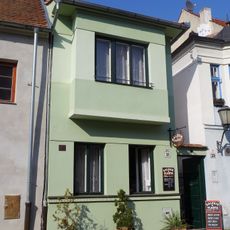
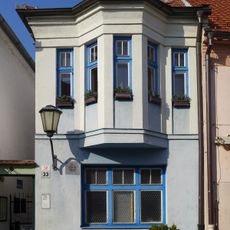
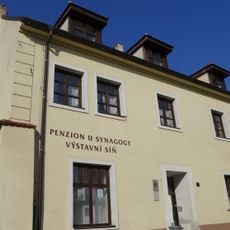
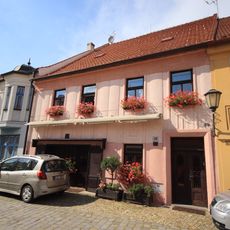
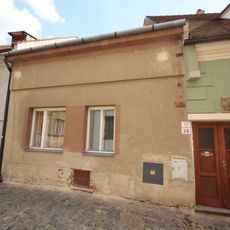
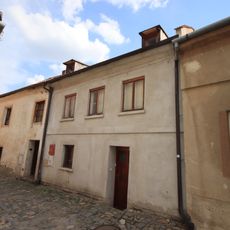
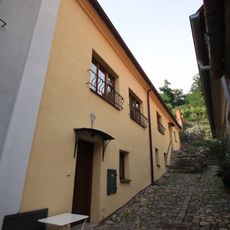
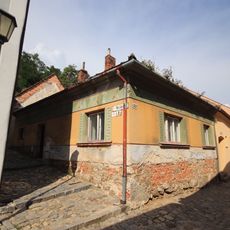
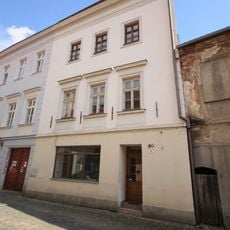
The synagogue is part of the former Jewish Quarter, a UNESCO World Heritage Site since 2003. The women's gallery is reached only via a staircase in the neighbouring private house, so access may be limited; check opening times before visiting.
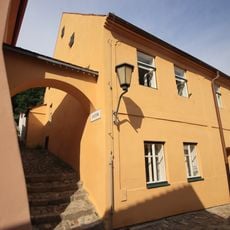
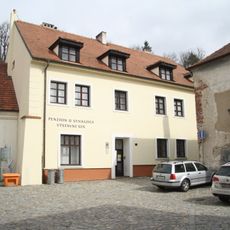
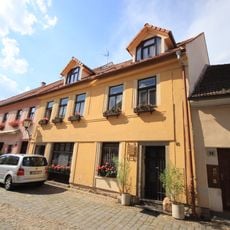
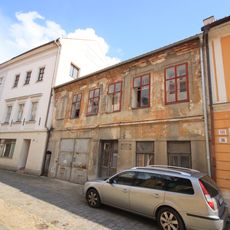
The women's gallery, added on the north side in 1837, could only be reached through a staircase in the neighbouring privately owned house, so worshippers entered the synagogue from next door. On the first floor stands Stanislav Vrška's model of the Jewish town as it looked in 1850.
The community of curious travelers
AroundUs brings together thousands of curated places, local tips, and hidden gems, enriched daily by 92,115 contributors worldwide.