Opavian Silesia, Historical region in Czech Silesia, Czech Republic and Poland
Opavian Silesia is a historical region straddling the Czech Republic and Poland, with Opava serving as its main reference point. The territory encompasses various towns and settlements linked by shared heritage and geographical continuity.
The region grew from medieval principalities and passed through several rulers over centuries. After World War I, the territory split between the newly formed Czechoslovakia and Poland, with the Czech-speaking Hlučín area joining Czechoslovakia in 1920.
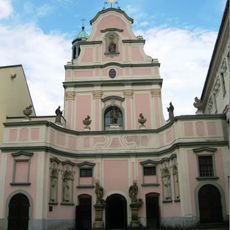
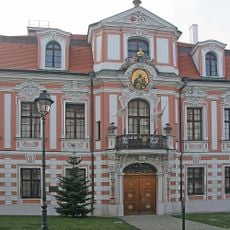
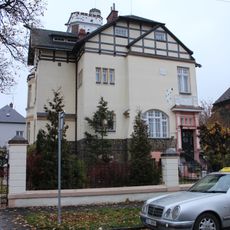
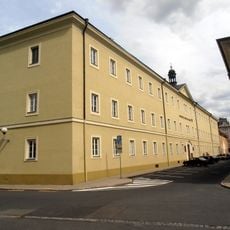
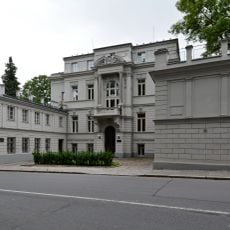
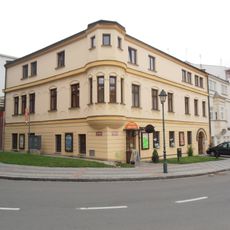
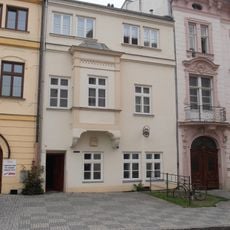
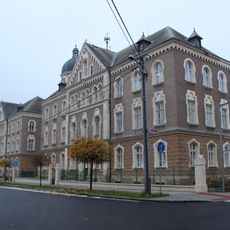
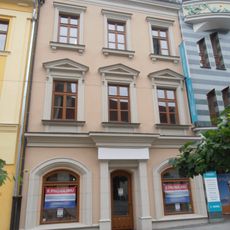
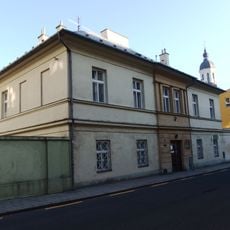
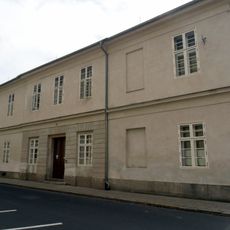
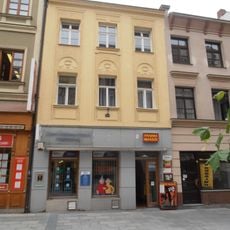
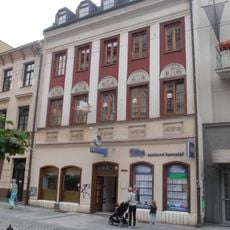
The region carries marks of different cultures in its architecture and town layouts. Gothic churches and merchant houses show the influence of trade routes and various rulers across centuries.
The region is accessible by car, train, or bus, with Opava positioned conveniently between both countries. Visitors should plan time to explore museums, churches, and town centers to understand the layered history.
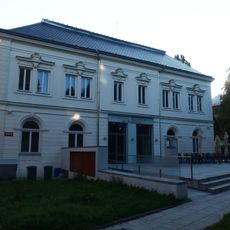
The Silesian Museum in Opava was founded in 1814 and gathers objects showing the intertwined history of both sides of the border. This collection reveals how closely the cultural and economic ties bound these now-separated territories together.
The community of curious travelers
AroundUs brings together thousands of curated places, local tips, and hidden gems, enriched daily by 90,878 contributors worldwide.