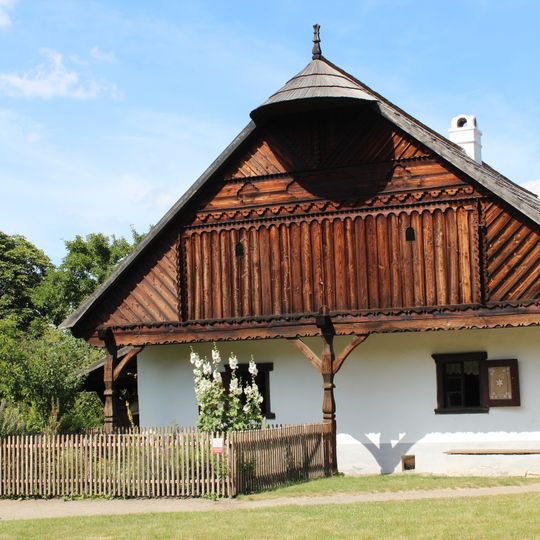
Polabské národopisné muzeum, Open-air folk architecture museum in Přerov nad Labem, Czech Republic.
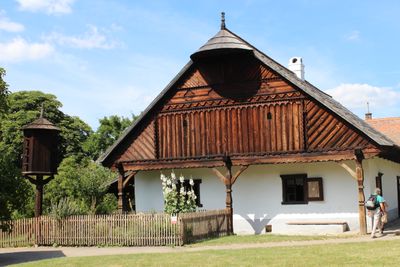
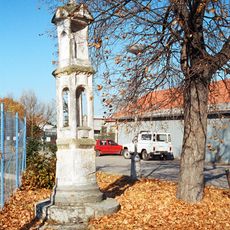
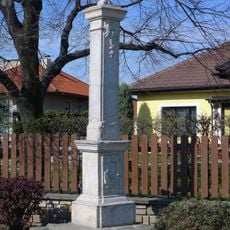
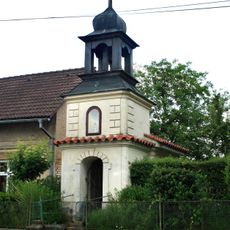
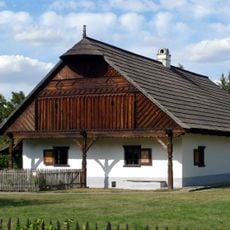
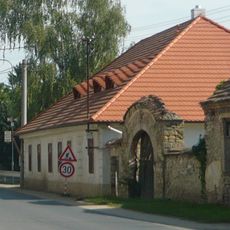
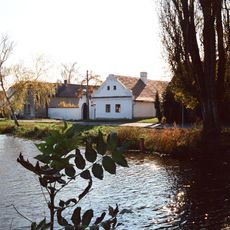
Polabské národopisné muzeum is an open-air museum spread across two hectares with about thirty historical Bohemian buildings, including timber houses, traditional beehives, and a bell tower. The structures date from the 18th to 20th century and are furnished with objects that show how people lived in this region.
The museum was founded in 1900 as the fourth open-air museum in Europe, showing an early commitment to preserving folk architecture. It brings together historical buildings from the mid-1700s to mid-1900s, rescued and gathered to save the rural heritage of central Bohemia.
The buildings show how people lived and worked in the Elbe Valley through original furniture, tools, and traditional ways of doing things that you can still see in the rooms today. The way each house is set up helps you understand the daily rhythms and practical knowledge of rural communities.
The open-air museum is open from April to October every day except Monday, 9 am to 5 pm. Special exhibitions of folk customs are held before Christmas and before Easter. The grounds cover just under two hectares, so the houses can be seen on foot in a single visit.
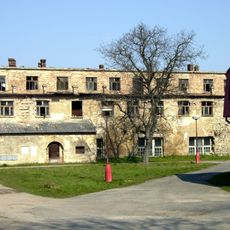
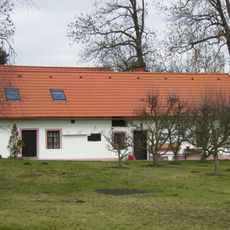
The former manor blacksmith's shop, bought by Archduke Ludwig Salvator in 1895, is now the Staročeská chalupa, house No. 16 on the museum plan. In 1922 the Prague National Theatre performed Smetana's opera The Bartered Bride in front of it.
The community of curious travelers
AroundUs brings together thousands of curated places, local tips, and hidden gems, enriched daily by 94,257 contributors worldwide.