Münzschatz von Podmokl, Celtic coin hoard in Podmokly, Czech Republic
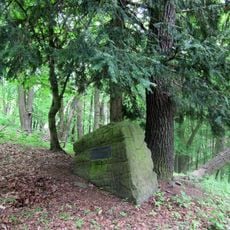
The Podmokl hoard is a collection of thousands of Celtic gold coins exposed in 1771 after heavy rains uncovered them at a stream bank. The coins were stored in a bronze cauldron and together weighed approximately 40 to 50 kilograms, making it one of the largest deposits of its kind in Central Europe.
The hoard dates to the 1st century BC and was buried by Celtic peoples until erosion exposed it in 1771. A laborer named Janota initially mistook the coins for brass buttons before the find was recognized and given to Prince Karl Egon von Fürstenberg.
The hoard shows how wealthy and connected the Celtic people of this region were to distant trading networks. These coins were gathered over time and deliberately hidden, suggesting economic importance and regular commerce across Europe.
The original finds are preserved in the National Museum collections and can be viewed there. It is best to contact the museum beforehand to confirm current exhibition information, as not all pieces are permanently on public display.
After discovery, most of the coins were not scientifically studied but immediately melted down and recast into Theresian ducats. This drastic conversion meant the loss of valuable historical information about the Celtic coins and their origins.
The community of curious travelers
AroundUs brings together thousands of curated places, local tips, and hidden gems, enriched daily by 90,837 contributors worldwide.