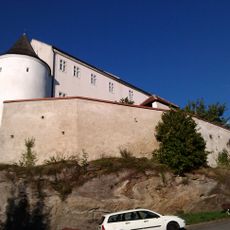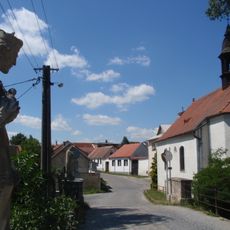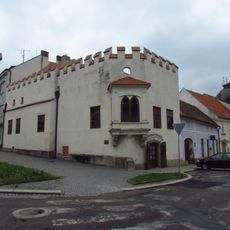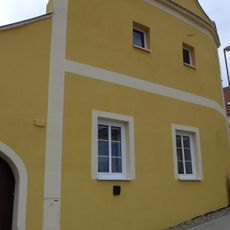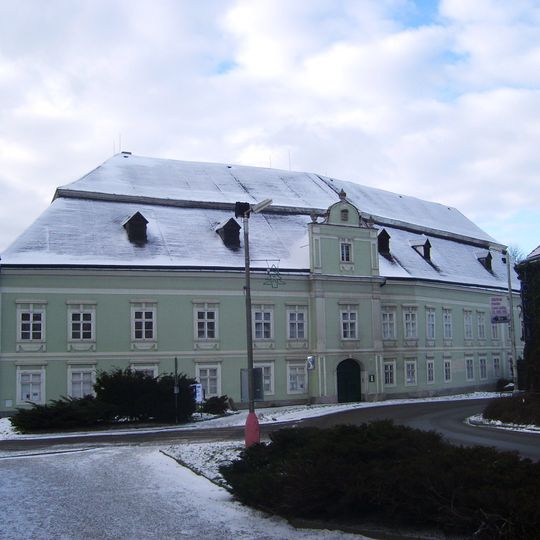
Moravské Budějovice, Baroque castle in Moravské Budějovice, Czech Republic
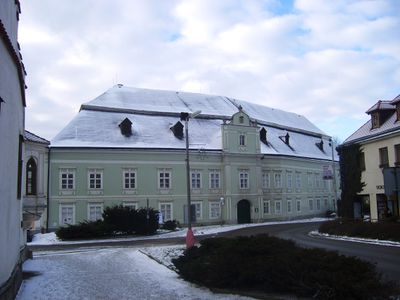
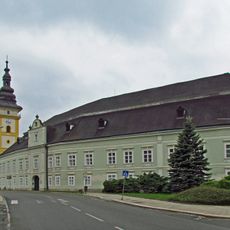
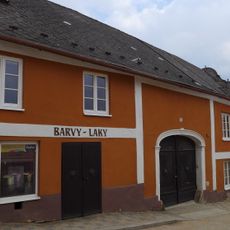
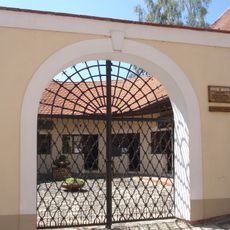
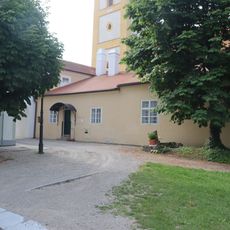
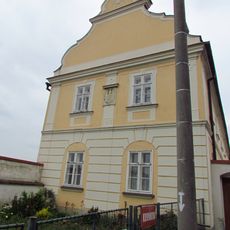
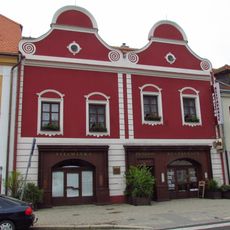
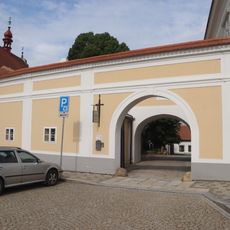
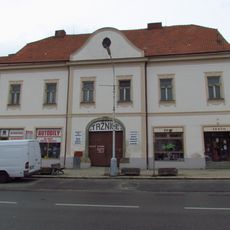
Moravské Budějovice Castle is a Baroque building erected between 1666 and 1672 on náměstí Míru, replacing four Renaissance burgher houses. The single-storey structure has an asymmetrical entrance risalit, 16 ground-floor windows and 17 upper-floor windows with frames and cornices, and the 1592 town hall was incorporated into the complex.
The town belonged to the Bítov branch of the Lichtenburks until 1522, when Zdeněk and Burian Brtnický of Valdštejn bought it; neither family resided there. In 1626 Hannibal of Schaumburk acquired it as a confiscation, and his nephew Count Rudolf Henry of Schaumburk had the Baroque castle built in 1666–1672, replacing four Renaissance burgher houses. The 1592 town hall was incorporated into the castle grounds.
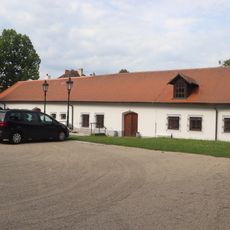
The castle houses a crafts museum that displays traditional skills from the Vysočina region. Visitors can see how local artisans work and what they create here.
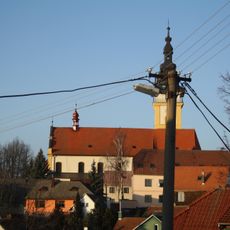
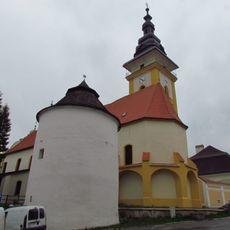
The castle stands on náměstí Míru, next to the Church of Saint Giles. The museum inside has been open since 5 October 1947, with displays on crafts and trades of southwestern Moravia and a tour route on the town's history.
The castle area also includes the 1592 town hall, which was incorporated into the grounds when the Baroque castle was built between 1666 and 1672 on the site of four Renaissance burgher houses. The complex is a listed cultural monument and has housed a museum since 5 October 1947.
The community of curious travelers
AroundUs brings together thousands of curated places, local tips, and hidden gems, enriched daily by 93,687 contributors worldwide.