Bohemian Cretaceous Basin, Sedimentary basin in northern Czech Republic.
The Bohemian Cretaceous Basin is a sedimentary depression spanning northern Czech Republic filled with thick layers of chalk, limestone, and clay containing fossil remains of ancient sea creatures. The deposits reach depths of several hundred meters and reveal changing conditions of a prehistoric ocean.
The basin formed during the Late Cretaceous roughly 100 to 66 million years ago when shallow seas covered much of Central Europe. It served as a connection between distant marine basins and accumulated sediments that researchers study today.
The basin serves as a natural laboratory for geological education, attracting students and researchers from various institutions to study Earth's geological processes.
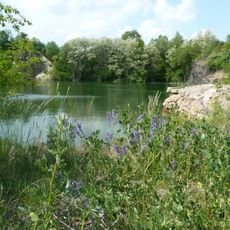
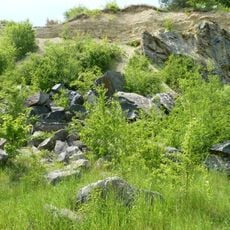
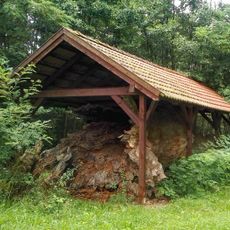
Various outcrops and quarries such as the Upohlavy site allow access to examine the layers directly. Sturdy footwear is advisable, and some locations may require permission to enter.
The sediment layers contain fossils from warm and cold periods mixed together, showing that climate fluctuated rapidly at that time. Such combinations are uncommon and make this basin especially valuable for understanding ancient climate shifts.
The community of curious travelers
AroundUs brings together thousands of curated places, local tips, and hidden gems, enriched daily by 90,899 contributors worldwide.