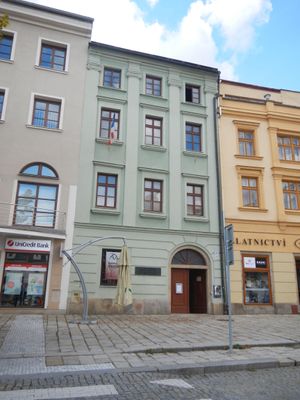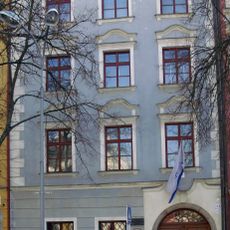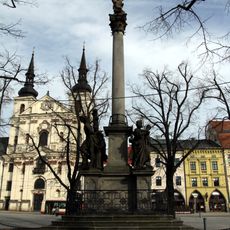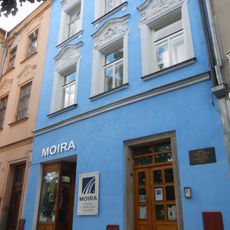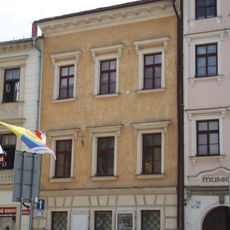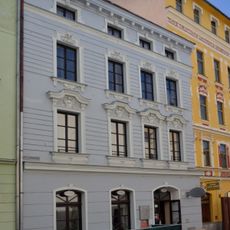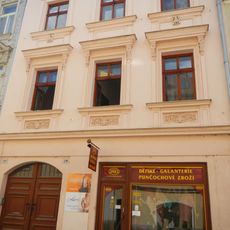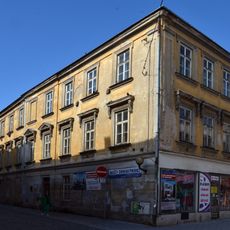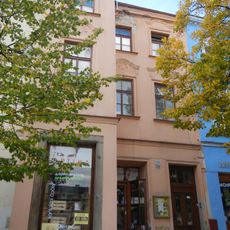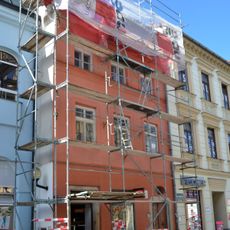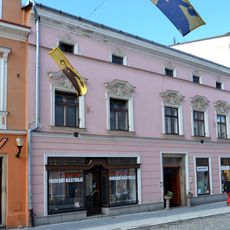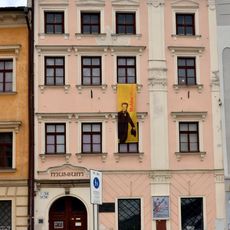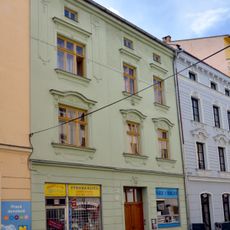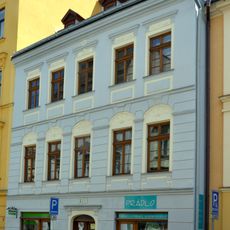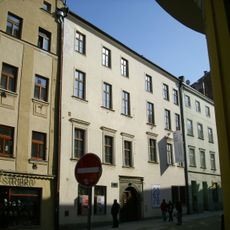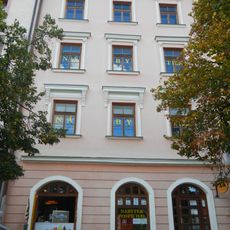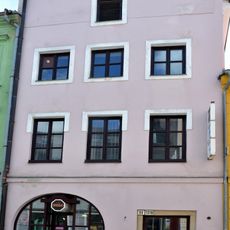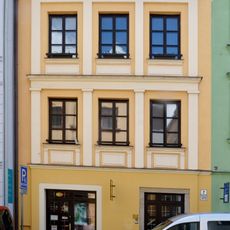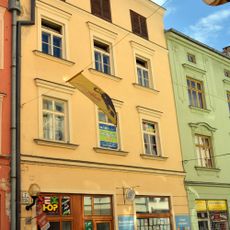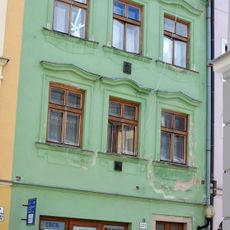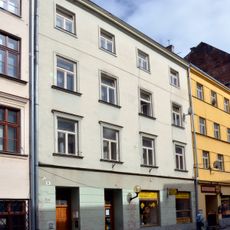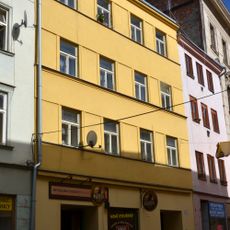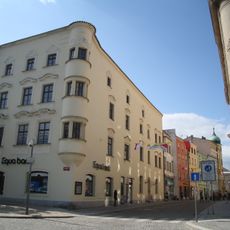
Muzeum Vysočiny, Regional museum on Masaryk Square in Jihlava, Czech Republic
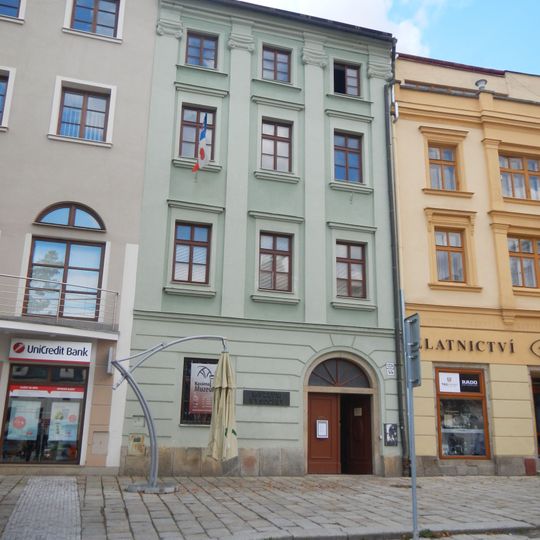
Muzeum Vysočiny Jihlava occupies two historic houses at Masaryk Square 57 and 58 in Jihlava, with branches in Telč, Třešť and Roštejn Castle. Its displays cover the town's history from the Gothic period to the present and the living nature of the Českomoravská vrchovina highlands, alongside medieval sculpture, mining and coinage, geology and a lapidarium.
A museum association was founded in Jihlava in 1891, and the museum itself followed in 1892, opening in a boys' town school on 23 June 1895. Until May 1924 it was strictly German; a Czech-German curator then took over, and it became purely Czech after the Second World War. After 1960 it was named Oblastní muzeum Vysočiny, later Muzeum Vysočiny, and absorbed the Telč museum in 1963, Roštejn castle in 1964 and Třešť in 1974.
The museum's name refers to the Vysočina Highlands, and its branches in Telč, Třešť and Roštejn Castle grew out of town museums absorbed from the 1960s onward. In the Jihlava displays, the Renaissance section covers the 16th century, when the Latin grammar school was founded, and the 19th-century section addresses the Jihlava language island.
The main exhibitions are in two adjoining houses at Masarykovo náměstí 57 and 58 in Jihlava; the mining and minting display is in the cellar of No. 57 and the lapidarium in its rear courtyard. Branch museums in Telč, Třešť and at Roštejn Castle are separate stops, so allow time to travel between them.
In the geology display, the largest known crystal of the mineral sekaninaite, from Dolní Bory, is shown alongside a polished slab of amethyst from Bochovice, the Stonařov meteorite and selenides from Bukov. The museum also keeps a model of a mammoth calf among its peatland finds.
The community of curious travelers
AroundUs brings together thousands of curated places, local tips, and hidden gems, enriched daily by 94,497 contributors worldwide.