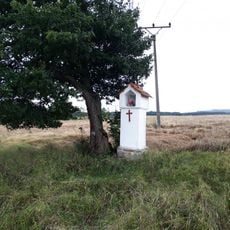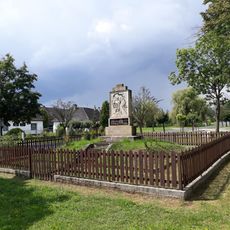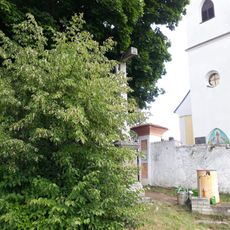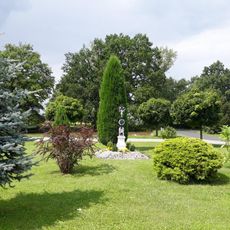
Skalice, Medieval stronghold in Skalice, Czech Republic.
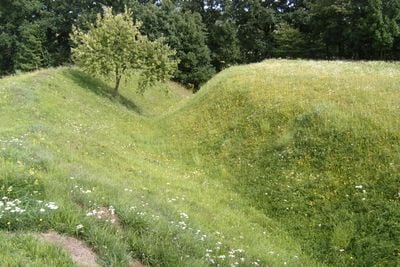
Skalice is a medieval stronghold built on raised ground at the edge of the town center, constructed with stone walls and bastions following typical defensive design of the period. The fortification includes multiple defensive structures arranged to control the surrounding approaches.
A seat at Skalice is documented from 1265–1266, when Vítek of Skalice, son of Vítek of Klokot and a member of the Vítkovci family, is named. The village passed through the Sedlec, Landštejn and Želče families; Jošt of Landštejn sold it after 1491 to Petr Majnuš of Březnice. A 1533 description calls the residence a zámek, but after 1540 it disappears from records, and burnt ash ploughed up on the site suggests it may have burned down. In 1594 Soběslav bought the estate from Petr Vok of Rožmberk.
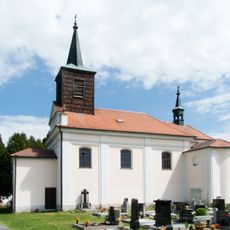
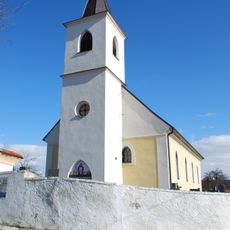
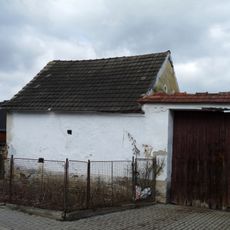
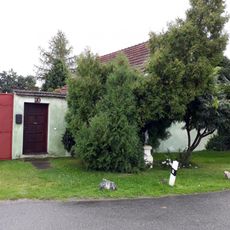
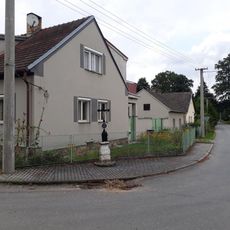
The name Skalice comes from the village where the seat stood; the site lies by the Church of St. Simon and Jude above the Lužnice. A farmhouse, No. 132, was later built on the northwest edge of the castle area. The village passed to the town of Soběslav in 1594, ending its role as a manorial centre.
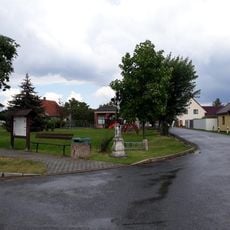
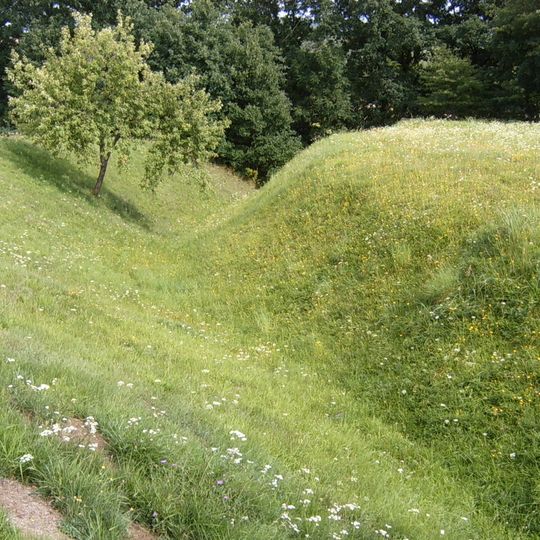
The site of the former castle is freely accessible, but no marked hiking trail leads directly to it. A green-marked route from Želč to Myslkovice and cycle route no. 1171 from Brandlín to Čenkov pass through the village. The castle core is enclosed by a rampart and a wide ditch.
The castle core is enclosed by a rampart and a wide ditch, forming a roughly pentagonal area with no traces of buildings; August Sedláček believed the southern fortification was doubled. A farmhouse (No. 132) later rose on the northwest edge, where the outer bailey probably stood.
The community of curious travelers
AroundUs brings together thousands of curated places, local tips, and hidden gems, enriched daily by 92,713 contributors worldwide.