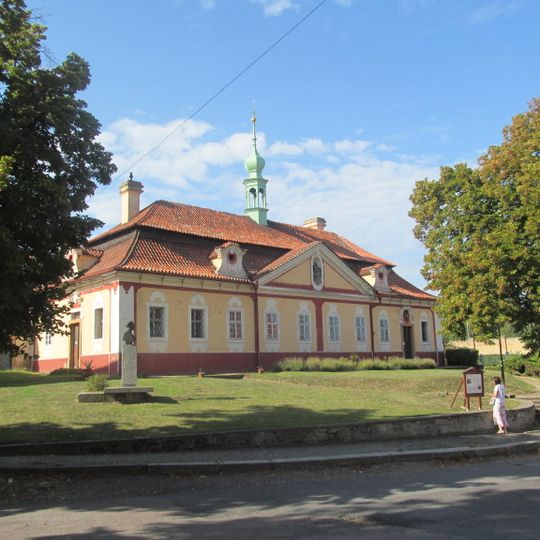
Antonín Dvořák Museum, Music museum in Zlonice, Czech Republic
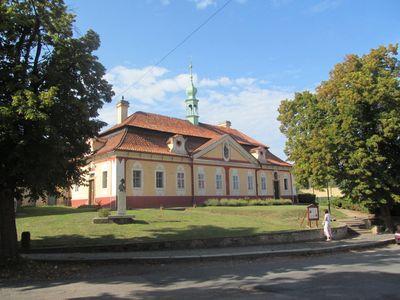
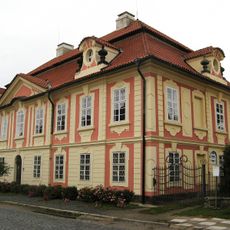
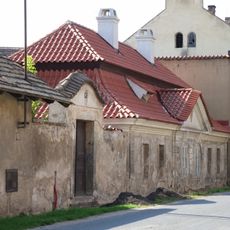
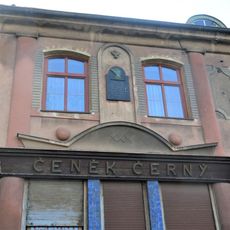
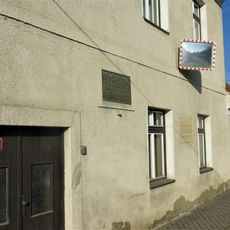
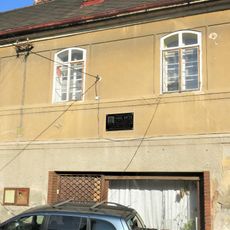
The Antonín Dvořák Museum in Zlonice occupies two buildings on Liehmannova Street. No. 20, built in 1745 under Count Filip Josef Kinský, has a mansard roof and triangular pediment and holds the main Dvořák exhibition; No. 19, called Varhaníkovna, was the home of Dvořák's teacher Antonín Liehmann.
The memorial occupies two buildings in Zlonice. House No. 20, built in 1745 under Count Filip Josef Kinský, was originally planned as a three-winged hospital and later served as flats. Renovation for the memorial began in 1951 under local builder Jan Nedvěd, and it opened in 1954. The neighbouring Varhaníkovna (No. 19), former home of teacher Antonín Liehmann, opened in 1984.
The museum is housed in two buildings on Liehmannova Street: No. 20, a former hospital built in 1745, and No. 19, the Varhaníkovna, where organist Antonín Liehmann lived and taught Dvořák organ, piano and violin. A room in No. 19 covers Zlonice-born traveller Eduard Ingriš, author of the song Teskně hučí Niagara.
The museum occupies two buildings on Liehmannova Street in Zlonice, about 45 km northwest of Prague. The main exhibition is in house No. 20, with the organist's house No. 19 next door. The concert hall in No. 20 also hosts weddings, and researchers can use the sheet-music archive.
The museum also holds a separate room on Zlonice-born traveller Eduard Ingriš, remembered in Czech culture for writing the song "Teskně hučí Niagara". The building at No. 19, called Varhaníkovna, was the home of organist Antonín Liehmann, where Dvořák came for lessons.
The community of curious travelers
AroundUs brings together thousands of curated places, local tips, and hidden gems, enriched daily by 94,460 contributors worldwide.