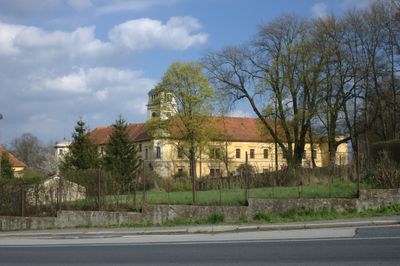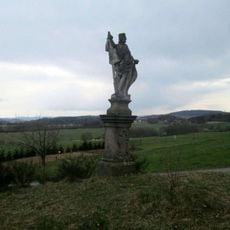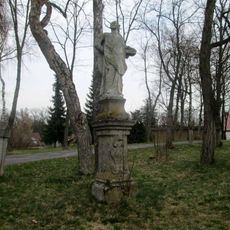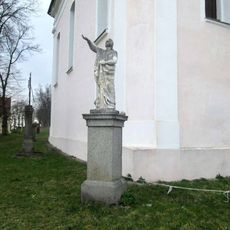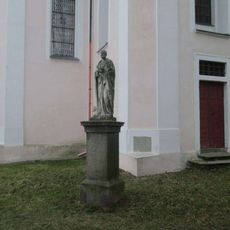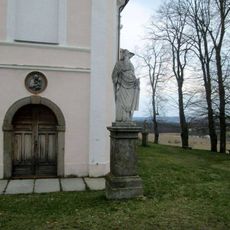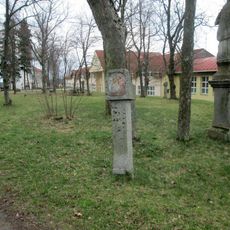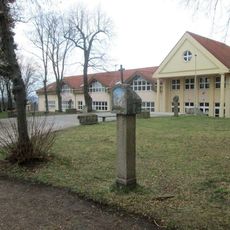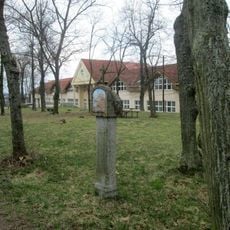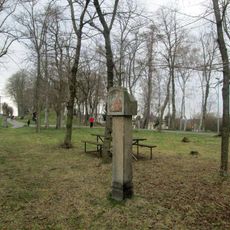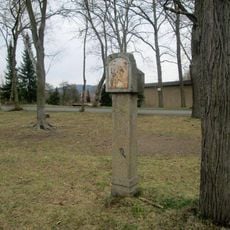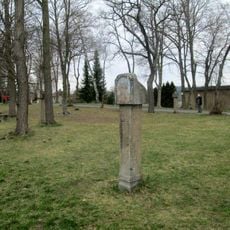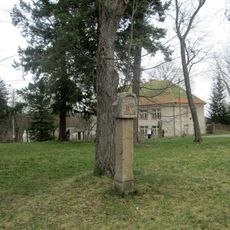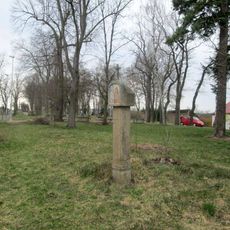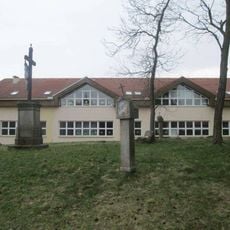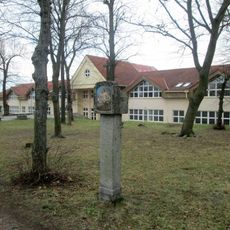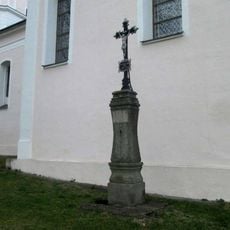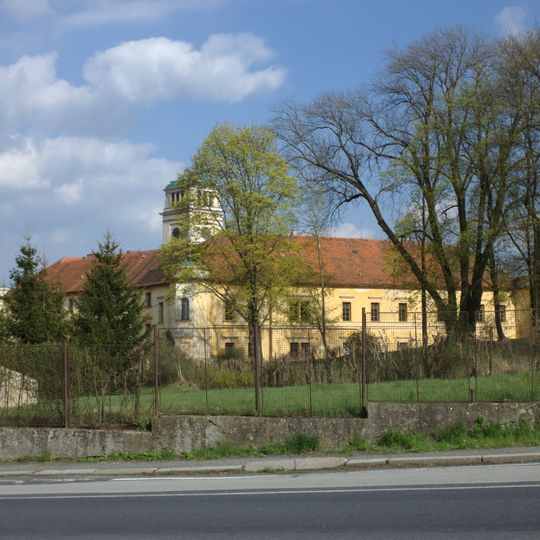
Nalžovy Castle, Renaissance château in Nalžovy, Czech Republic.
Nalžovy Castle is a four-winged, two-storey building on an irregular quadrilateral plan, with its main facade facing east. A prismatic tower rises from the centre of the main facade, and polygonal turrets sit on the outer corners. The Chapel of St. Wenceslas projects from the south wing. North of the castle stand the granary, stables and coach house; a landscape park lies to the south.
A fortress stood at Nalžovy from the mid-15th century; Hungarian troops plundered it in 1618 or 1619. Its owner Bedřich Švihovský of Rýzmberk then built a new four-winged Renaissance castle south of it, first recorded in 1630. The Pötting counts bought the estate in 1718 and had it remodelled in Baroque style, completed with the reconsecration of St Wenceslas Chapel in July 1744. From 1769 the Irish-descended Taaffe family held it; under Ludwig Taaffe an Empire and Neo-Renaissance rebuilding by architect Heinrich Koch began in 1840.
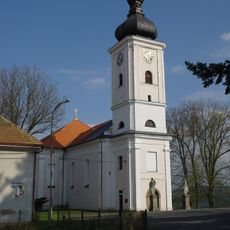
The castle chapel is consecrated to Saint Wenceslas; its re-consecration in July 1744 marked the completion of the Baroque works begun under the Pötting counts, who bought the estate in 1718. The Taaffe family, an Irish lineage in imperial service, held Nalžovy from 1769 and gave the castle its later form.
The property has been privately owned since 2008 and requires advance arrangements for visits. Plan to arrive only by special arrangement with the current owners.
Ludwig Taaffe had an artificial ruin built on Prašivec hill northeast of town, modelled on Ballymotte, the ancestral seat of the Irish Taaffes. It was raised during the castle's 1840 rebuild, when the Baroque garden became a landscape park planted with exotic trees.
The community of curious travelers
AroundUs brings together thousands of curated places, local tips, and hidden gems, enriched daily by 94,498 contributors worldwide.