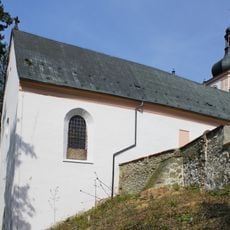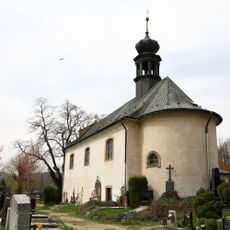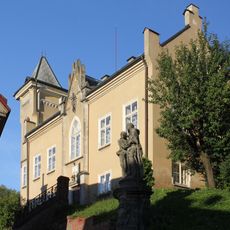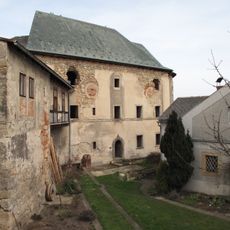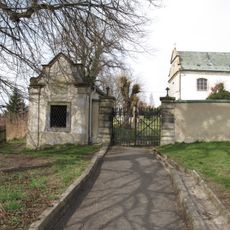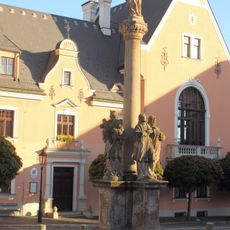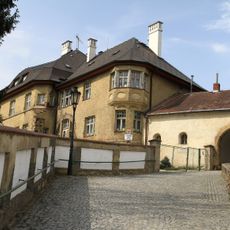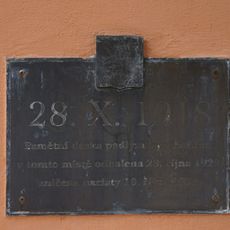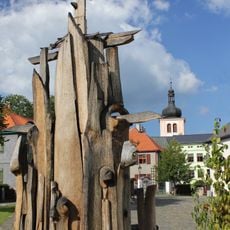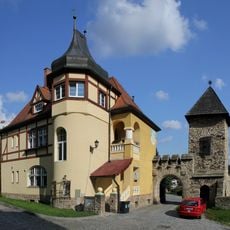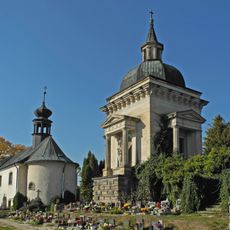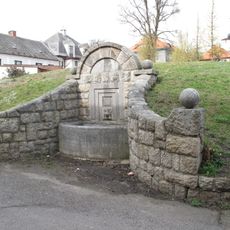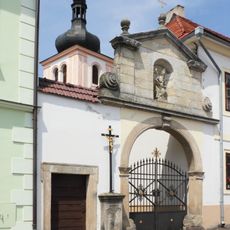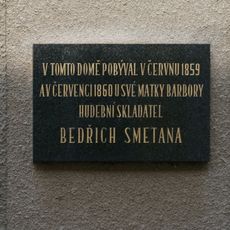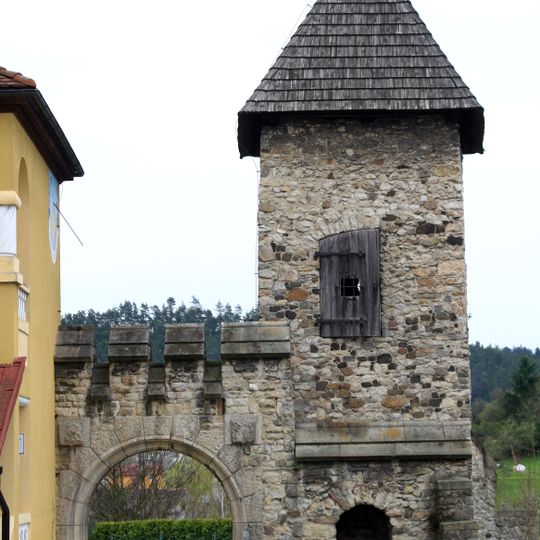
Městské opevnění, Medieval city walls in Český Dub, Czech Republic.
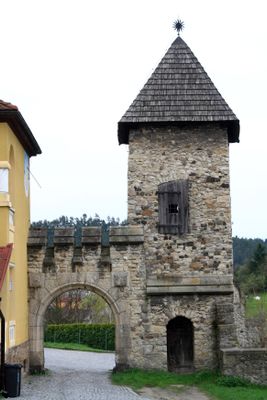
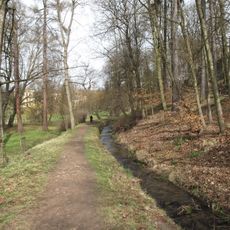
The town walls of Český Dub follow the perimeter of the promontory on which the town was built, bounded on the west by the Ještědka stream. Only fragments of the original Gothic walls survive, for example near the Church of the Descent of the Holy Spirit. The most visible remnant is the prismatic hláska tower, built of marl and sandstone, at the corner of Komenského and U školy streets east of Bedřich Smetana Square.
The town walls were probably first built in the 13th century as part of the fortifications of the Johannite commandery. The surviving Gothic circuit dates from 1490–1500, when Jan ze Šelemberka rebuilt the castle, the Church of the Holy Spirit and the walls with two gates, a moat and an artificial channel with fish tanks. The gates were demolished in the mid-19th century.
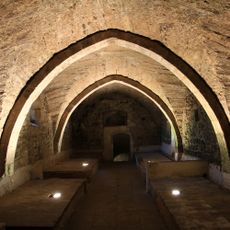
The name of the lookout tower, hláska, comes from hlásit, to announce: guards watched the roads and raised the alarm. From the 16th to the 18th century the tower served as the town jail and torture chamber, and a wooden guard's cottage stood beside it until it was demolished in the early 20th century.
Visit during daylight hours to see the stone structure clearly and read the information panels easily. The walls are accessible to walk around, and different viewpoints along the course let you observe how the fortifications were designed.
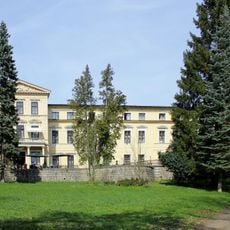
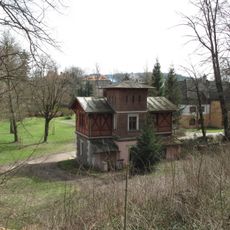
The walls follow the rim of a promontory above the Ještědka, the single stream that bounds the old town on the west. The most visible remnant is the prismatic hláska tower, built of opuka and sandstone; from the 16th to the 18th century it served as the town jail and torture chamber. In 1905 a passage in historicist neo-Gothic style linked it to the Art Nouveau Helenin zámeček villa.
The community of curious travelers
AroundUs brings together thousands of curated places, local tips, and hidden gems, enriched daily by 93,669 contributors worldwide.