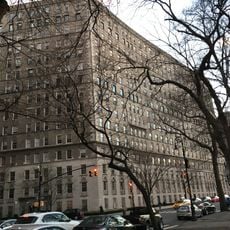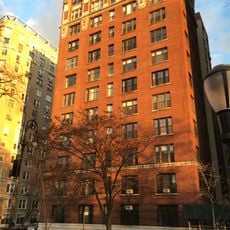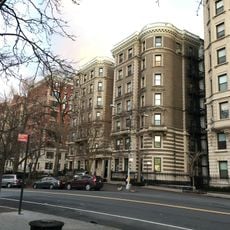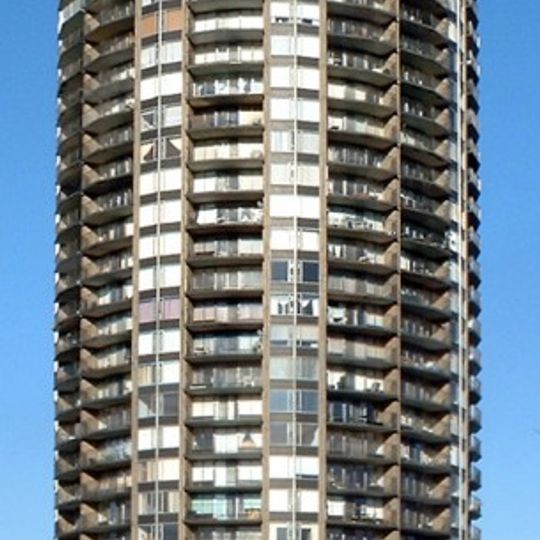
Stonehenge, Residential apartment building in North Bergen, New Jersey, United States
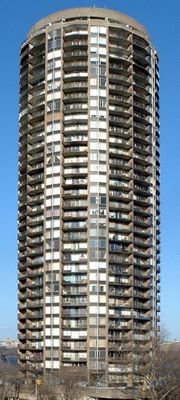
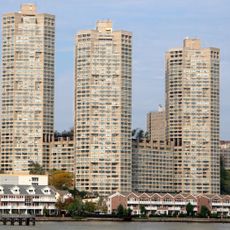
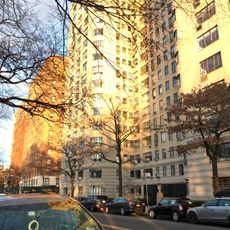
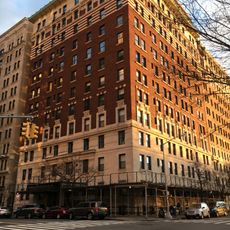
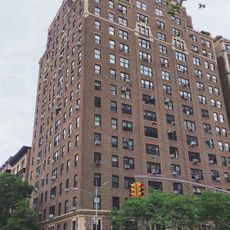
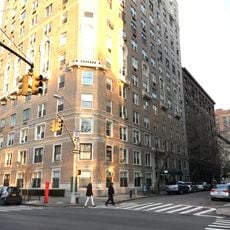
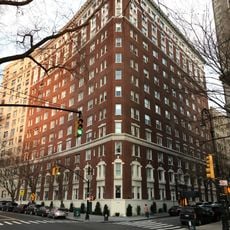
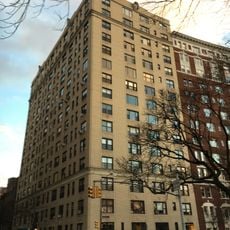
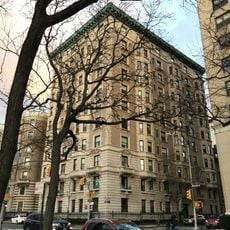
Stonehenge is a 34-story residential apartment building on Boulevard East in the Woodcliff section of North Bergen, New Jersey, beside North Hudson Park. Completed in 1967, it rises 369 feet (112 m) and holds 356 apartments above five levels of indoor parking. Shreve, Lamb & Harmon are associated with the building.
The Stonehenge was built in 1967, during a period of high-rise construction in the area, and at 369 feet (112 m) it was once among the tallest buildings in New Jersey. It stands on Boulevard East in the Woodcliff section of North Bergen, next to North Hudson Park. The 34-story tower holds 356 apartments and 5 levels of indoor parking.
The building's name comes from the prehistoric monument in England, and its best-known episode is the "Stonehenge Incident" of January 12, 1975, when driver George O'Barski reported a dark round craft and ten hooded figures digging soil in adjacent North Hudson Park. Ufologist Budd Hopkins later found a doorman at the Stonehenge among the witnesses.
The Stonehenge stands on Boulevard East in the Woodcliff section of North Bergen, beside North Hudson Park. Its 34 floors rise to 369 feet (112 m), and five levels of indoor parking serve the 356 apartments. The building is residential, so visitors see it from the street and the park rather than from inside.
The building's name echoes the prehistoric monument in England, but its own notable episode is the "Stonehenge Incident" of January 12, 1975, when driver George O'Barski reported a dark, round craft hovering over North Hudson Park and ten small hooded figures digging up soil. A doorman at the Stonehenge was among the later witnesses cited by ufologist Budd Hopkins.
The community of curious travelers
AroundUs brings together thousands of curated places, local tips, and hidden gems, enriched daily by 92,641 contributors worldwide.