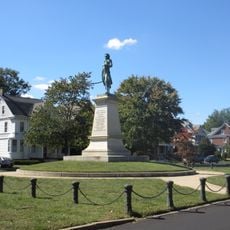
Roanoke Rapids Historic District, Historic district in Roanoke Rapids, North Carolina.
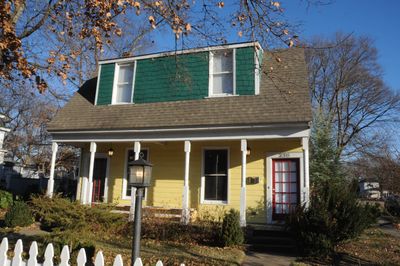
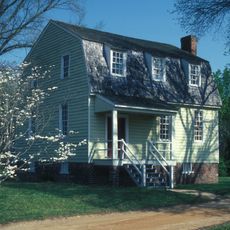
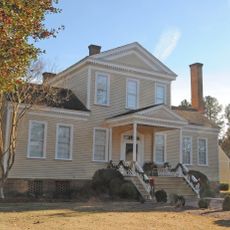
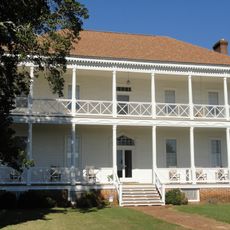
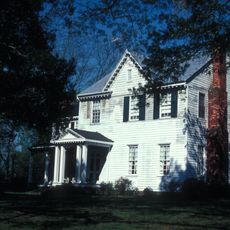
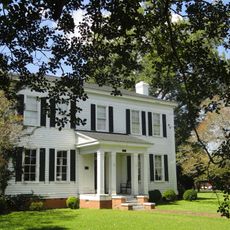
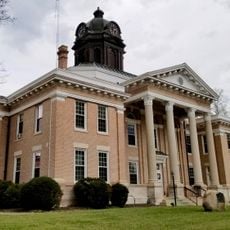
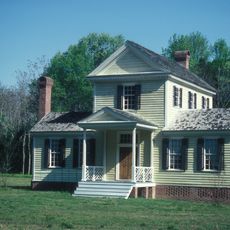
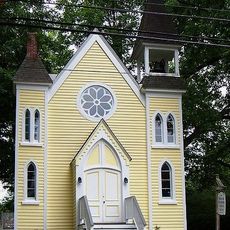
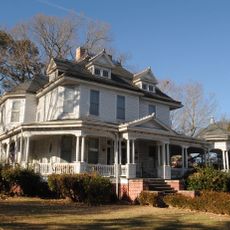
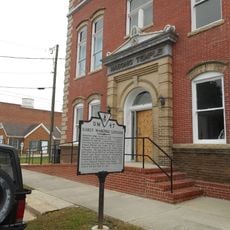
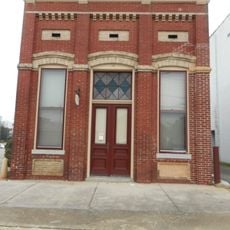
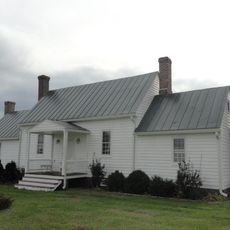
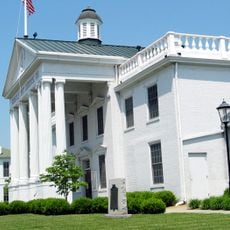
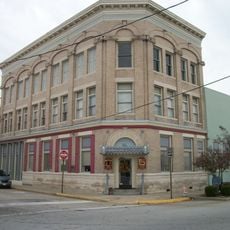
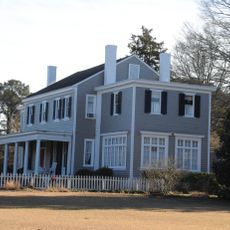
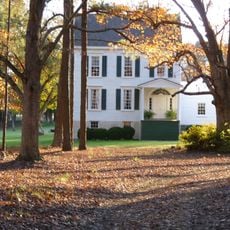
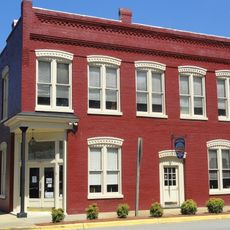
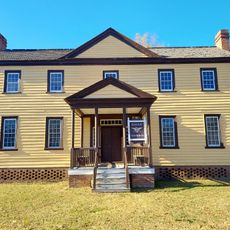
Roanoke Rapids Historic District covers the central business district and surrounding residential sections of Roanoke Rapids, with 1,130 contributing buildings, 5 sites and 27 structures. It holds Queen Anne, Colonial Revival and Bungalow/American Craftsman buildings, among them the separately listed Roanoke Rapids High School, the 1917 Seaboard Air Line Passenger Station, the 1919 Imperial Theatre Building and the 1941 Streamline Moderne former Carolina Trailways bus terminal at 1114 Roanoke Avenue.
The district grew during the early 1900s when the textile industry boomed and factory owners built homes for their workers. Key buildings like the Seaboard Air Line Passenger Station from 1917 mark the peak of this growth period.
The former Carolina Trailways Bus Terminal at 1114 Roanoke Avenue is where, shortly after midnight on August 1, 1952, Sarah Keys refused to give up her seat for the "colored section"; she was arrested, jailed overnight and fined $25, leading to Keys v. Carolina Coach Co. The Streamline Moderne building, constructed in 1941, served as a bus station until the 1970s.
The district is best explored on foot to see the different building styles and understand how the mill villages were organized. Jefferson Street is a good main path to follow as it runs through the entire area.
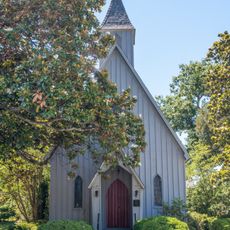
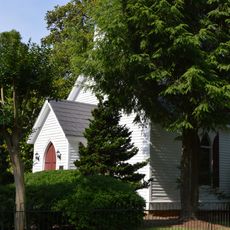
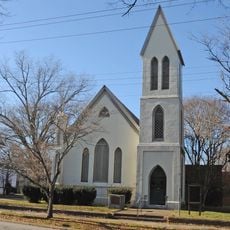
One highlight is the All Saints Episcopal Church built in 1917, a notable architectural achievement by renowned designer Hobart Upjohn. The building shows craftsmanship and quality that stands out from most other structures in the district.
The community of curious travelers
AroundUs brings together thousands of curated places, local tips, and hidden gems, enriched daily by 92,994 contributors worldwide.