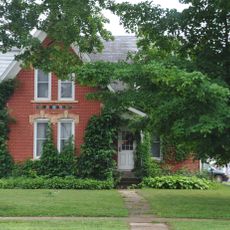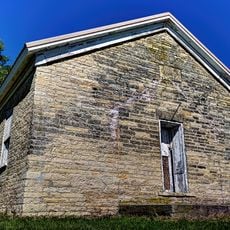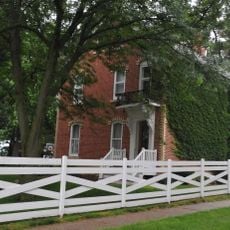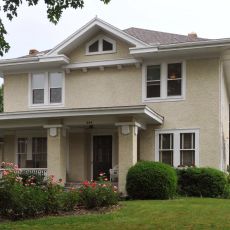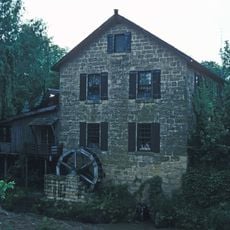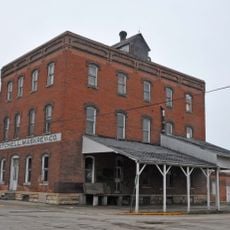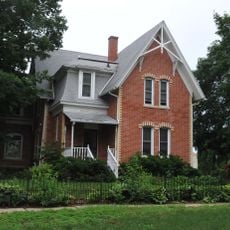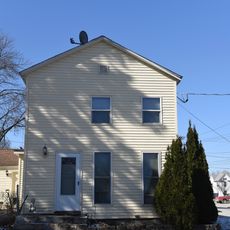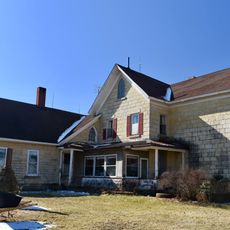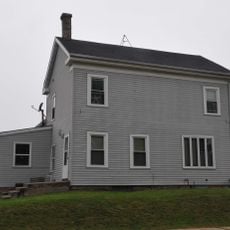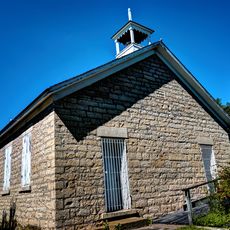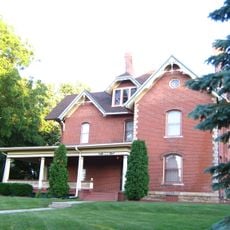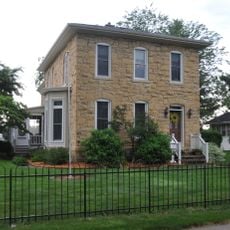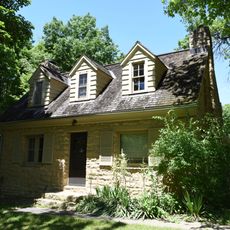
Hurstville Historic District, Historic industrial settlement north of Maquoketa, Iowa, United States.
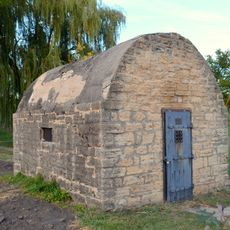
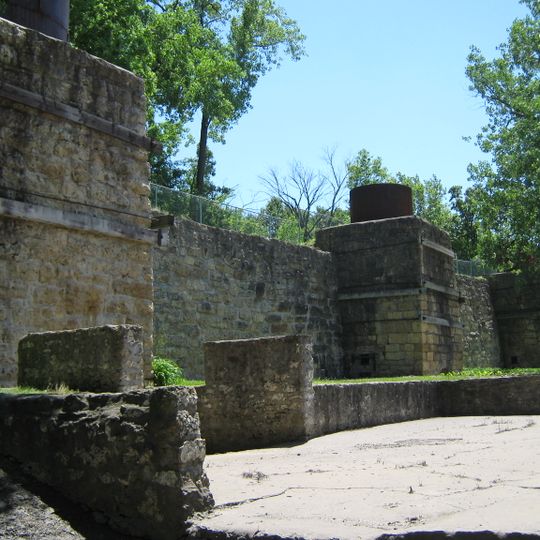
Hurstville Historic District is a former lime production site with four well-preserved limestone kilns and an adjoining warehouse building. The structures sit in rolling terrain and show the hands-on layout of a 19th century industrial operation.
Alfred Hurst founded the first lime kiln in 1871 and expanded it into a major operation that remained active for decades. Later, Portland cement became the preferred alternative and the site gradually fell into disuse.
The district shows how lime shaped building practices across the Midwest and reflects the craft traditions of local construction. Visitors can see at the old kilns what materials were essential for regional construction work.
A visitor center near the kilns is operated by the Jackson County Conservation Board and explains the history on-site. It helps to view the kilns from outside and take time to explore the surrounding landscape.
A narrow-gauge rail system and bridge over the North Fork of the Maquoketa River were specially built to move raw stone from quarries to the kilns. This infrastructure shows how sophisticated the transport planning was for this early industrial site.
The community of curious travelers
AroundUs brings together thousands of curated places, local tips, and hidden gems, enriched daily by 91,375 contributors worldwide.