Citadel of Ghazni, Medieval citadel in Ghazni, Afghanistan
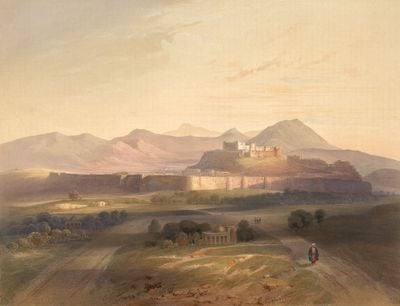
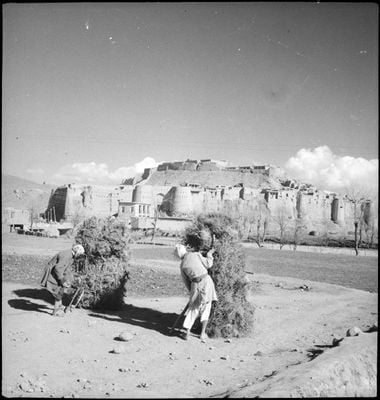
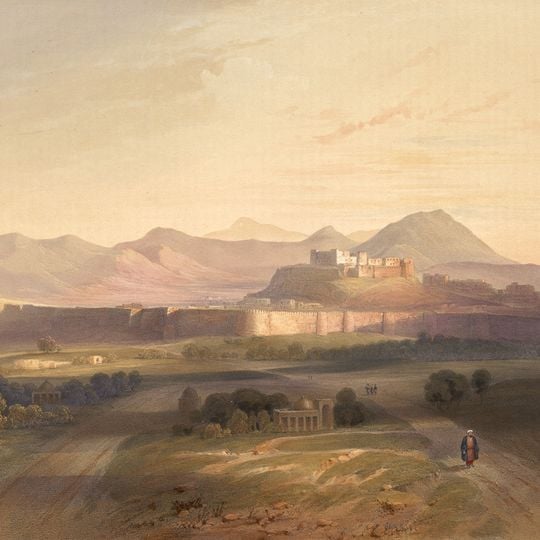
The Citadel of Ghazni is a multi-layer brick fortress on a rocky mound, with a lower tier of rounded bastions and an upper wall crowned by rectangular towers. Inside the upper enclosure stand the ruler's palace and several flat-roofed buildings. The brick is thought to come largely from Indian spolia; four gates once opened onto the city's markets.
Alp-Tegin, a Turkic commander of the Samanid Empire, besieged the citadel for four months in 962 and took Ghazni from the Lawik ruler Abu Bakr Lawik, with Sabuktigin at his side. The fortress later guarded Ghazni, seat of the Ghaznavid sultans, against rivals such as the Ghurids. In 1839 British troops stormed and captured it during the First Anglo-Afghan War.
The citadel enclosed the sultan's palace, markets, suburban homes and administrative and military quarters, and served as a gathering place for the population. Its brick is thought to come largely from Indian spolia, carried off during Ghaznavid campaigns and trade with India. Four gates opened onto the markets inside.
The site requires special permits and security clearance due to its location in a sensitive area of Afghanistan. Visitors should inquire ahead and obtain all necessary permissions before visiting.
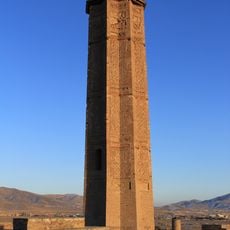
The citadel had 32 original towers, and more than half have been destroyed or badly damaged. One tower's collapse was filmed in June 2019 and shared widely on social media, prompting international calls to protect the site.
The community of curious travelers
AroundUs brings together thousands of curated places, local tips, and hidden gems, enriched daily by 93,642 contributors worldwide.