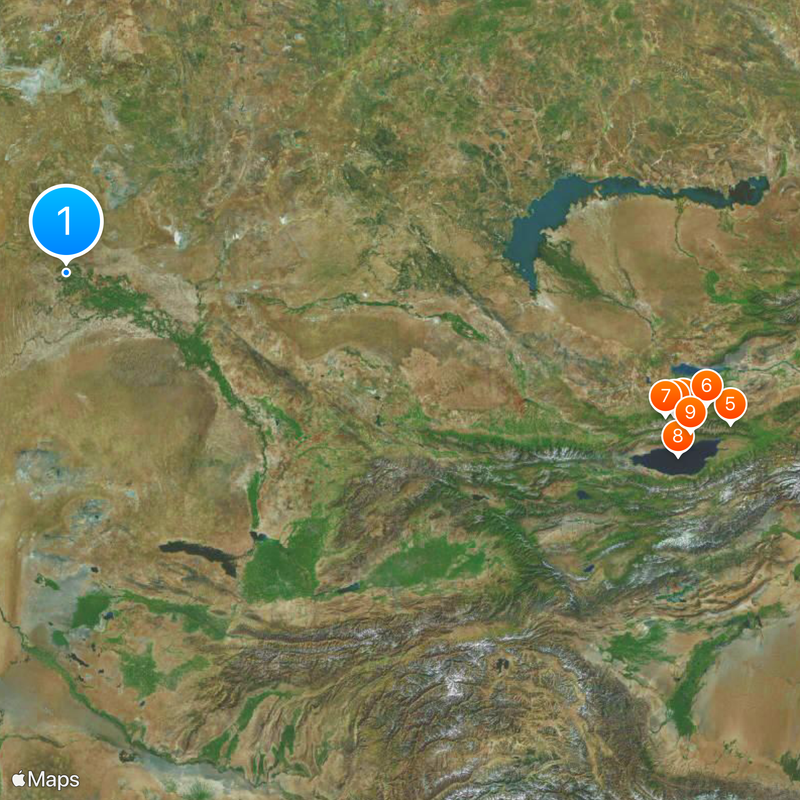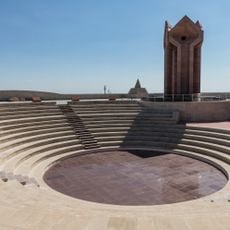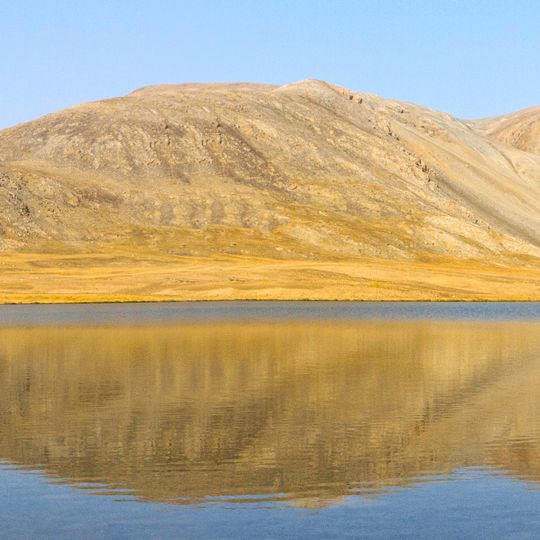
Central Asia, Cultural region in Asia, Kazakhstan.
This cultural region encompasses five independent countries and stretches from the Caspian Sea in the west to the Chinese border in the east, from the Russian steppes in the north to the Afghan mountains in the south. The landscape shifts from flat dry grasslands to deserts dotted with sand dunes, then rises into high mountain ranges where snow-capped peaks tower over deep valleys.
Trade caravans crossed this region from the second century before Christ until the sixteenth century, connecting China with the Mediterranean through a network of routes that moved silk, spices and ideas. In the nineteenth century the area came under Russian imperial control, later becoming part of the Soviet Union until all five states gained independence in the early nineties.
The region is home to open-air markets where traders sell spices, dried fruits and handwoven carpets in covered halls, while older men in traditional robes sit drinking tea and negotiating deals. In the cities, modern shopfronts mix with old teahouses where travelers and locals sit on floor cushions and share plov from large communal bowls.
The best time to visit is from April to June and September to October, when temperatures are milder and you avoid the intense desert heat of summer and the harsh mountain winters. Travelers should note that long distances between cities mean bus or train journeys can take many hours, and remote mountain areas require four-wheel-drive vehicles.
The Kazakh steppe is a massive dry grassland that covers more than eight hundred thousand square kilometers and ranks among the largest continuous steppe areas on the planet. In spring, wild tulips bloom here in bright colors, and these same flowers were once carried to Europe by Dutch traders and became the source of famous bulb cultivation.
The community of curious travelers
AroundUs brings together thousands of curated places, local tips, and hidden gems, enriched daily by 60,000 contributors worldwide.