Marquesas Islands, French Polynesian archipelago in South Pacific Ocean
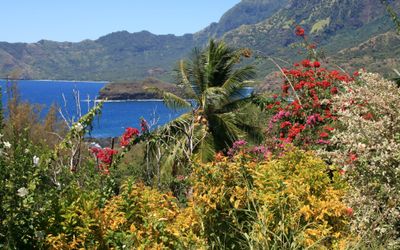
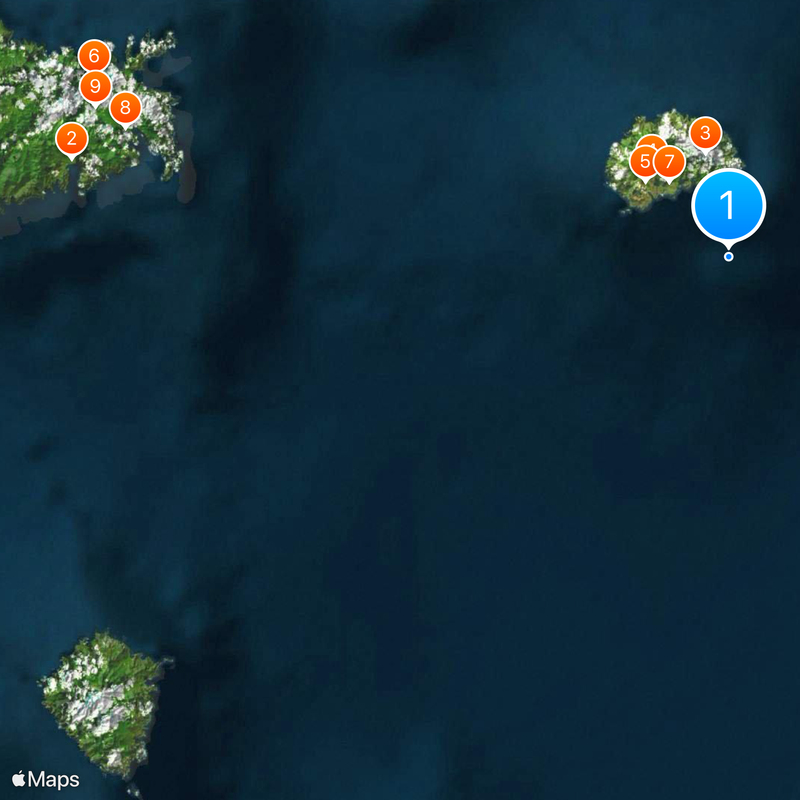
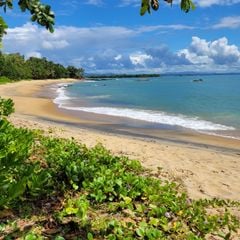
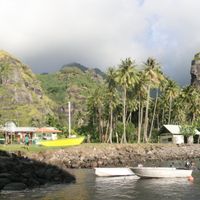
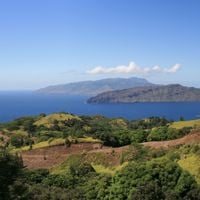
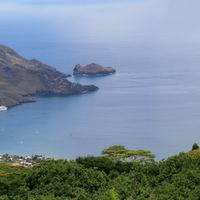
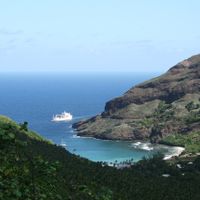
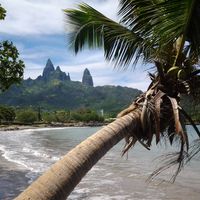
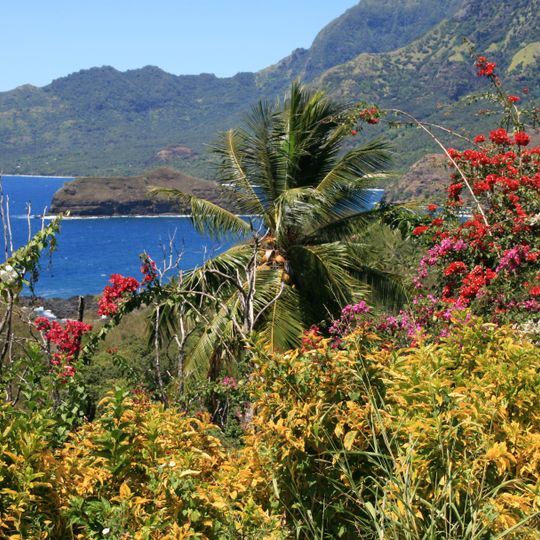
The Marquesas form a chain of twelve steep volcanic islands rising from the southern Pacific, each one carved by deep valleys and tall ridges. The coastline shows narrow bays and rocky cliffs dropping straight into open water.
A Spanish expedition reached these islands in the late 16th century and gave them a European name. France took over administration in the first half of the 19th century and has kept them as part of French Polynesia ever since.
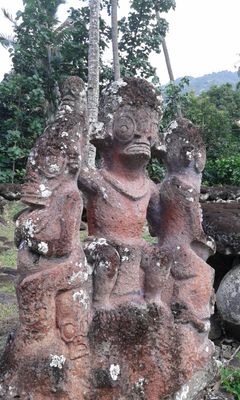
The name comes from the Marqués de Cañete, a 16th-century Spanish viceroy, while locals call their islands Henua Enana or Land of the People. Visitors today can observe the living carving traditions in the villages, where artisans continue to work traditional patterns into wood and stone.
Small airports on four of the islands connect the archipelago to Tahiti and between each other, though flights run only a few times per week. Ferry links between islands take several hours and operate irregularly, so plan enough time for each leg of the journey.
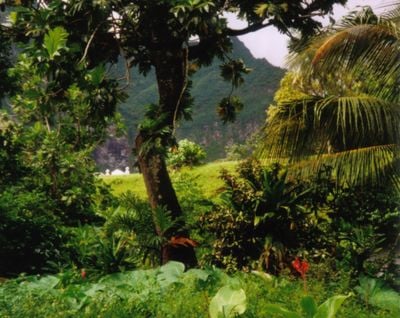
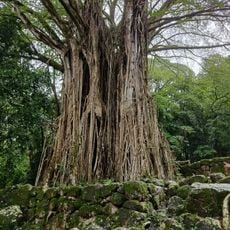
Some valleys in the interior of the islands remain uninhabited and hard to reach even today, preserving wild vegetation and rare bird species. These remote areas show how the archipelago might have looked before first contact with outsiders.
Location: French Polynesia
Elevation above the sea: 1,230 m
Part of: Polynesia
GPS coordinates: -9.00000,-139.50000
Latest update: December 4, 2025 19:00
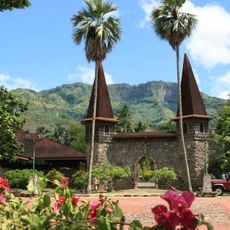
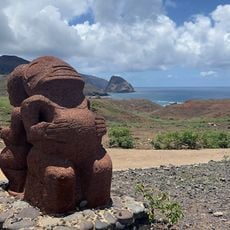
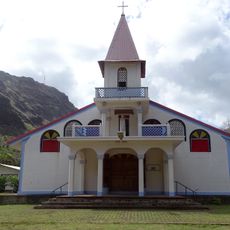
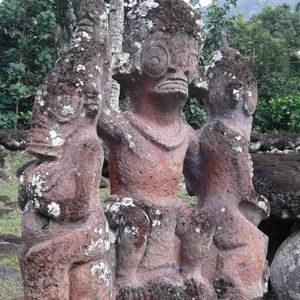
The Marquesas Islands are characterized by volcanic formations that shape landscapes marked by rocky peaks, ancient calderas, and basalt cliffs. Deep bays like those of Taiohae or the Virgins cut through the coasts, while black sand beaches reflect the archipelago's geological origins. The island interior reveals valleys, waterfalls, and reliefs reaching up to 1200 meters in altitude. Marquesian cultural heritage is evident through preserved archaeological sites in the Taipivai valley, where ceremonial platforms and petroglyphs carved into rock still exist. The Puamau tiki statues, carved from volcanic stone, are among the largest Polynesian sculptures. Museums in Atuona and Ua Huka hold collections that document traditional life, while the Gauguin Cultural Center and the Jacques Brel Space trace the careers of these two artists who spent their final days in the archipelago. The Taiohae Cathedral blends European architecture with local sculpted motifs, illustrating the cultural exchanges that have shaped the islands' history.
Tetiaroa
1406.8 km
Caroline Island
1181 km
Rangiroa
1116.5 km
Puka-Puka
652.1 km
Tikehau
1153.2 km
Vostok Island
1419.5 km
Flint Island
1376.3 km
Ahe
961.3 km
Tatakoto
935.3 km
Paul Gauguin Museum
1440.7 km
Reao
1112.1 km
Apataki
1031.9 km
Arutua
1055.3 km
Hiti
989.5 km
Nengonengo
1106.6 km
Fakahina
780.4 km
Paul Gauguin Cultural Center
102.7 km
Pukarua
1071.3 km
Tikei
860.7 km
Mont Oave
76.7 km
Matureivavao
1428.8 km
Tenararo
1400.6 km
Vaipo Waterfall
73.9 km
Haraiki
1035 km
Notre Dame Cathedral
67.1 km
Pointe Vénus Lighthouse
1436.8 km
Temetiu
101.8 km
Lagon Bleu
1141 kmReal people, real opinions — but not verified.
Visited this place? Tap the stars to rate it and share your experience / photos with the community! Try now! You can cancel it anytime.
Discover hidden gems everywhere you go!
From secret cafés to breathtaking viewpoints, skip the crowded tourist spots and find places that match your style. Our app makes it easy with voice search, smart filtering, route optimization, and insider tips from travelers worldwide. Download now for the complete mobile experience.
A unique approach to discovering new places❞
— Le Figaro
All the places worth exploring❞
— France Info
A tailor-made excursion in just a few clicks❞
— 20 Minutes