Patagonian Andes, Mountain range in southern South America.
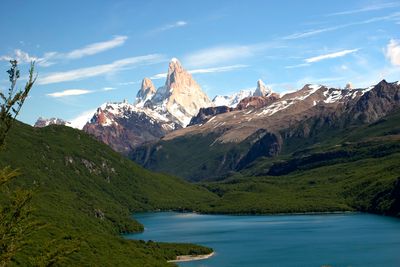
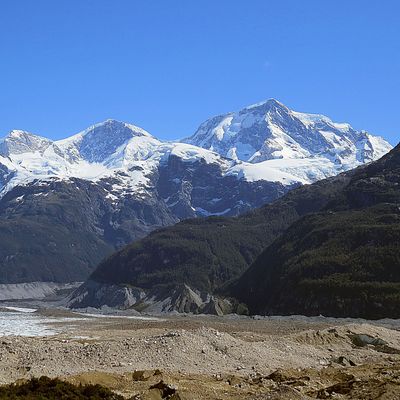
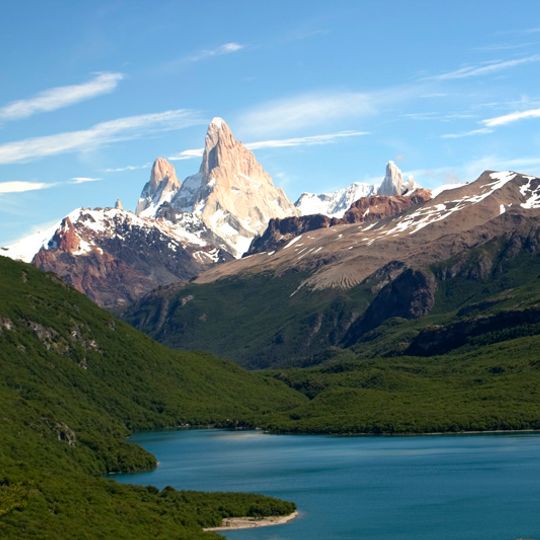
The Patagonian Andes is a mountain range spanning Argentina and Chile, formed from metamorphic rock with dramatic peaks and deep valleys throughout. Glaciers shape the terrain, creating a rugged landscape with steep slopes and broad high plateaus that define the region.
The Patagonian Andes formed during the Mesozoic era when oceanic plates subducted beneath the South American continent, creating immense pressure that folded rock layers. This geological process built up the mountains over millions of years as sediments and metamorphic rocks accumulated and transformed.
The Mapuche and Tehuelche peoples left traces across these mountains through hunting routes and camp sites that are still visible in the landscape today. Visitors can see where these communities once lived and traveled by observing the routes through steep valleys and high passes.
Access to these mountains is best during warmer months when trails are easier to navigate and weather patterns are more stable. Visitors should prepare for rapidly changing conditions and wear sturdy footwear and layers to protect against wind and sudden temperature shifts.
Within these mountains lie the Southern and Northern Patagonian Ice Fields, the largest continuous ice masses in the Southern Hemisphere outside Antarctica. These massive glaciers are constantly moving and reshape the landscape by carving valleys and creating lakes.
The community of curious travelers
AroundUs brings together thousands of curated places, local tips, and hidden gems, enriched daily by 90,793 contributors worldwide.