Ducie Island, Coral atoll in Pitcairn Islands.
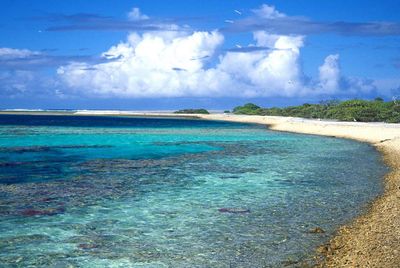
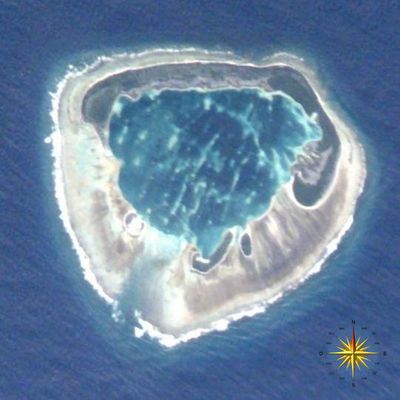
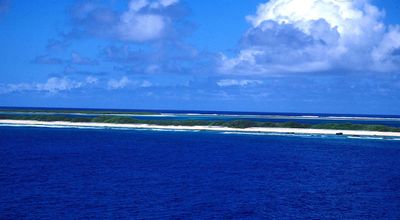
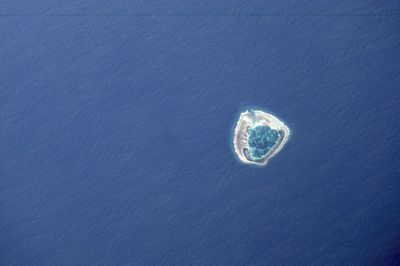
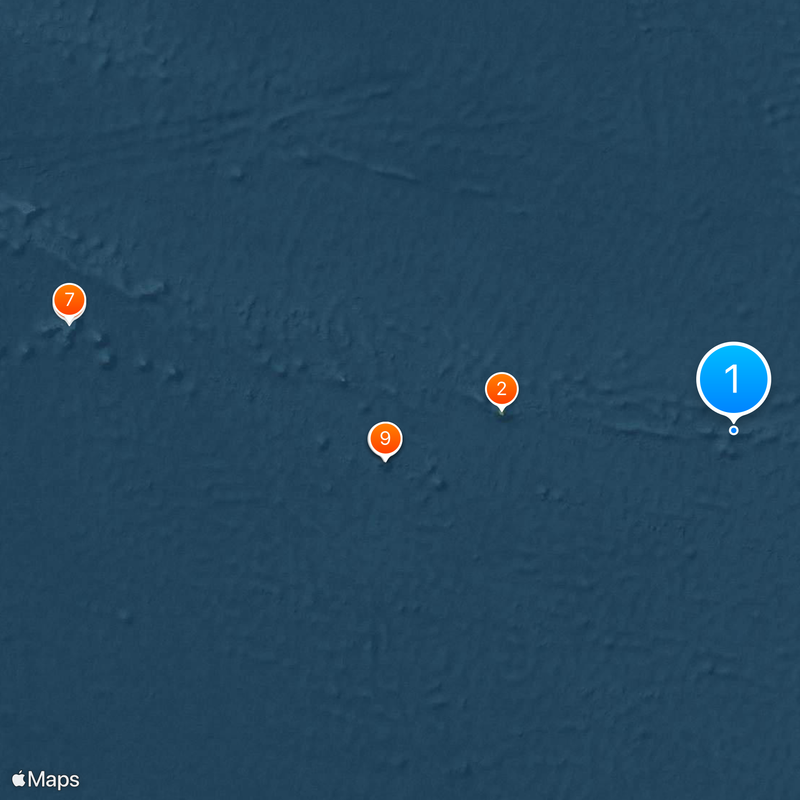
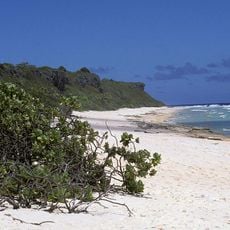
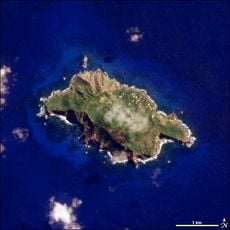
Ducie Island is a coral atoll in the Pitcairn Islands formed by four small islets called Acadia, Pandora, Westward and Edwards that encircle an inner lagoon. The combined land area of these islets totals just over 70 hectares, while the lagoon covers up to 340 hectares at high tide and contains shallow coral formations.
Spanish explorer Pedro Fernandes de Queirós sighted the atoll on 26 January 1606 and named it Luna Puesta. Captain Edward Edwards of HMS Pandora reached it on 16 March 1791, named it after Francis Reynolds-Moreton, 3rd Baron Ducie, under whom he had served, and sailed on without sighting Pitcairn. The United Kingdom annexed Ducie on 19 December 1902, when the cutter Pitcairn's crew left a plaque declaring it a colony of Pitcairn.
Ducie's name comes from Francis Reynolds-Moreton, 3rd Baron Ducie, honoured by Captain Edward Edwards in 1791. The atoll is the world's largest breeding colony of Murphy's petrel, with over 250,000 birds nesting between January and August. Fourteen seabird species breed here, and Polynesian seafarers once brought the Pacific rat, evidence of their temporary stays.
The only way to reach the lagoon is through a narrow passage between Pandora and Westward islets, which can be navigated by small boats in calm weather. Because of the exposed location and strong currents, careful planning is necessary and visitors should attempt landing only when conditions are favorable.
The first Admiralty chart of Ducie, based on Frederick William Beechey's 1825 survey, remained the only map of the atoll for nearly a century. During that survey a lone whaleboat was found holding four human skeletons, which Beechey suspected were missing crew of the whaleship Essex.
The community of curious travelers
AroundUs brings together thousands of curated places, local tips, and hidden gems, enriched daily by 92,634 contributors worldwide.