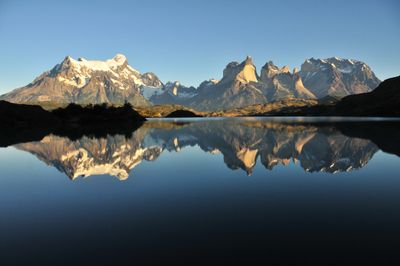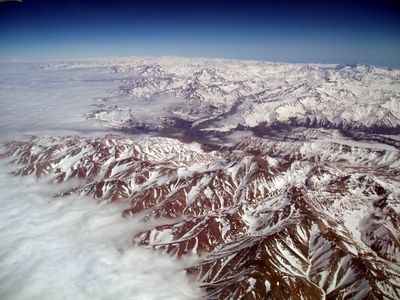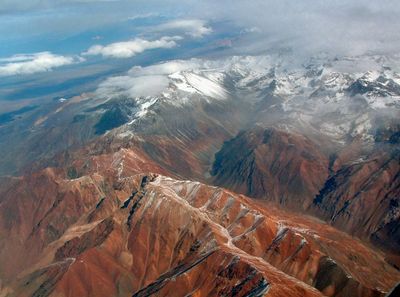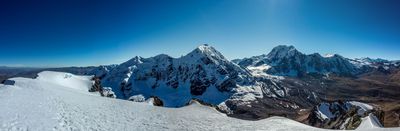
Andes, Mountain range in western South America
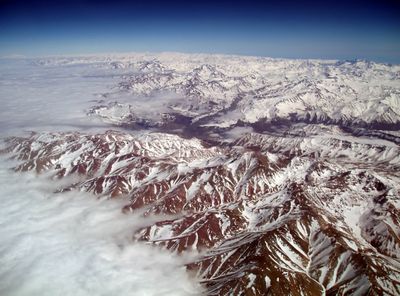
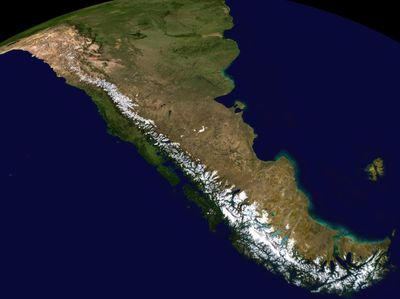
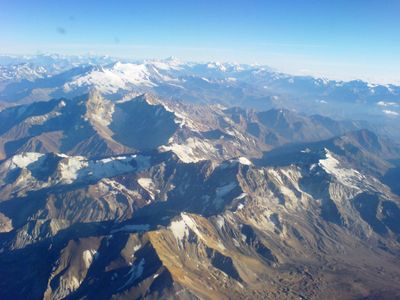
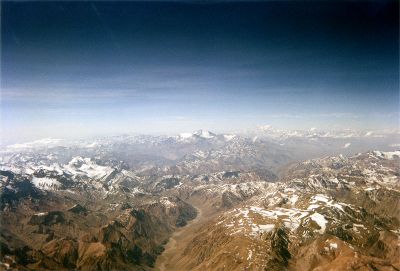
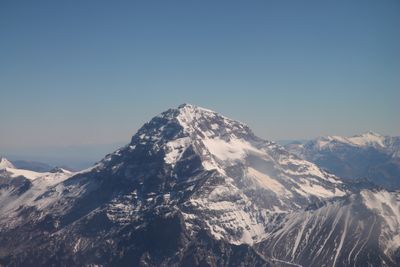
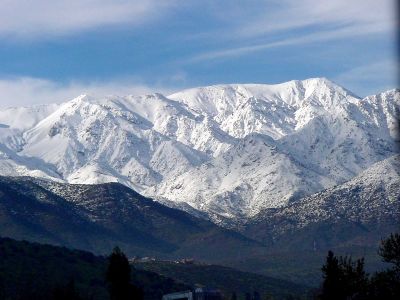
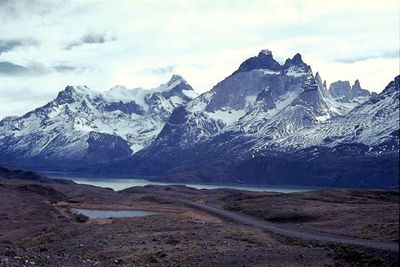
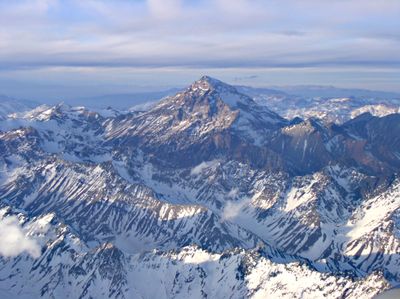
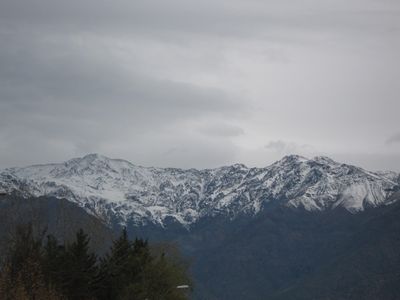
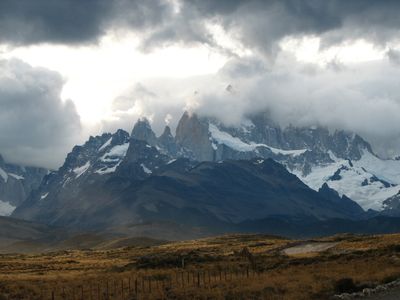
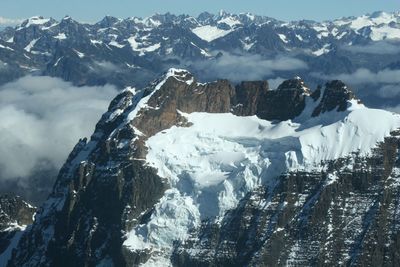
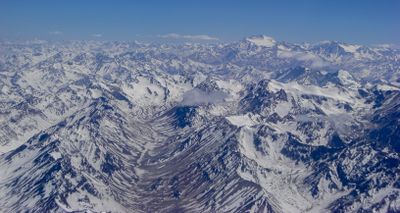
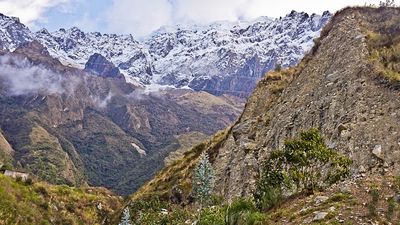
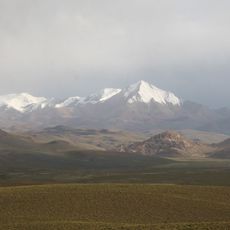
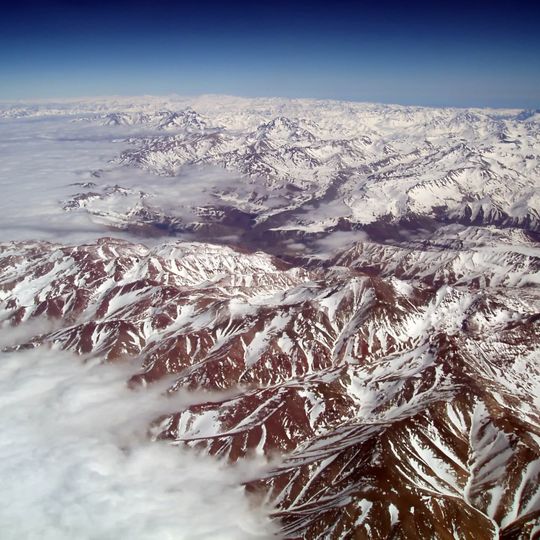
Stretching 7,000 kilometers (4,350 miles) along South America's western edge, the range creates a continuous barrier between Pacific coast and interior lowlands, with peaks regularly exceeding 16,400 feet (5,000 meters) and encompassing numerous active volcanoes and extensive glacial systems throughout its length.
Formation began approximately 250 million years ago when the South American and Nazca plates collided, though the most intensive uplift phase started roughly 30 million years ago and continues today, explaining ongoing seismic and volcanic activity throughout the region.
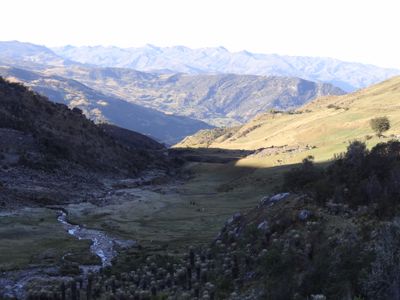
Communities throughout the range have maintained livestock herding traditions adapted to thin mountain air, while regional architecture responds to seismic activity with construction methods refined across generations to withstand frequent earthquakes along this geologically active zone.
National parks in Argentina and Chile offer access points with marked trails, though elevation sickness becomes a concern above 10,000 feet (3,000 meters), requiring gradual acclimatization. The November-to-March period provides the most reliable weather conditions, with mountain refuges and facilities typically open during these summer months.
The southern section contains the Patagonian Ice Field, covering approximately 6,500 square miles (16,800 square kilometers) and feeding 48 major glaciers that flow into valleys and fjords, making it the largest ice mass in the Southern Hemisphere outside Antarctica.
The community of curious travelers
AroundUs brings together thousands of curated places, local tips, and hidden gems, enriched daily by 92,116 contributors worldwide.