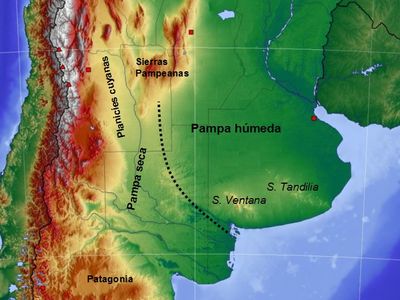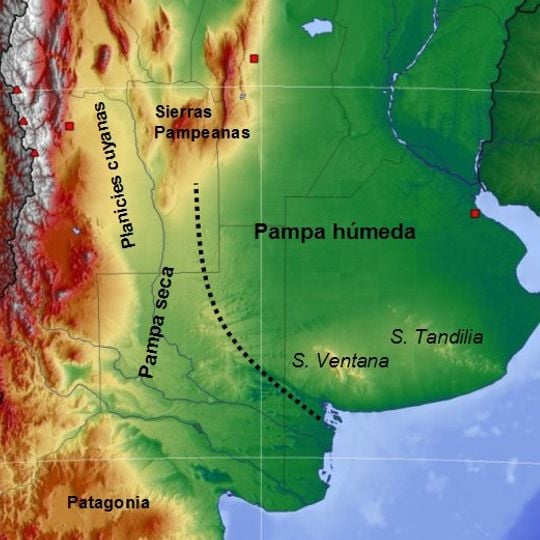
Pampas, Vast grassland biome in central Argentina.
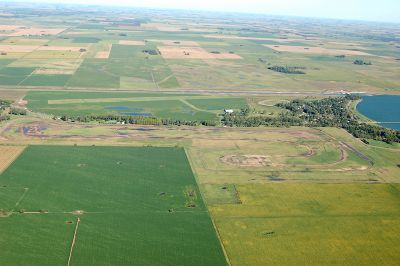
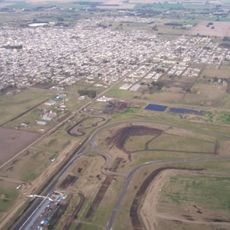
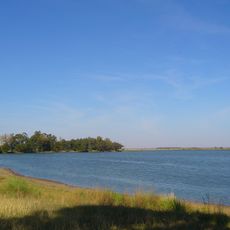
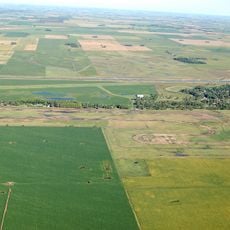
The Pampas stretches across much of central Argentina as flat grassland with fertile soil, broken by gentle hills and scattered tree clusters. The horizon extends endlessly, with grazing lands and crop fields alternating, crossed by occasional river courses and small lakes.
Before Spanish arrival in the 16th century, nomadic groups lived here using the land for hunting. The introduction of European cattle completely transformed the landscape, turning it into a center for ranching.
Gauchos still work on ranches today, wearing traditional bombacha trousers and flat hats while tending horses and cattle. Travelers can visit rural estancias to taste asado grilled over open fires, watch lasso skills being practiced, and hear folklore music played on guitars.
The best time to visit runs from October through April, when temperatures are mild and the sun shines longer. Many estancias offer overnight stays, allowing travelers to become familiar with the rhythm of rural life.
Numerous species of feather grasses grow in the region, swaying in the wind like waves and giving the landscape a moving appearance. European honeybees have settled here, benefiting from flowering wild herbs, making the region important for beekeeping.
The community of curious travelers
AroundUs brings together thousands of curated places, local tips, and hidden gems, enriched daily by 91,817 contributors worldwide.