Parque Geológico do Varvito, Geological park in Itu, Brazil.
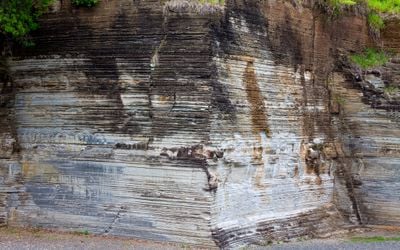
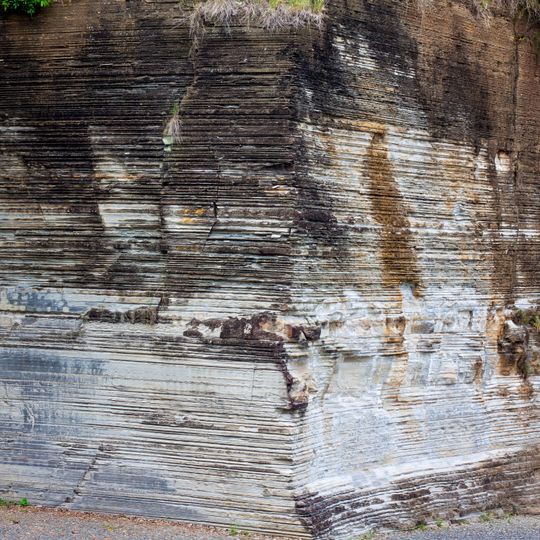
Parque Geológico do Varvito is a geological park in Itu, Brazil, where exposed rock walls show clear horizontal bands of clay and silt deposited in ancient bodies of water. Visitors can walk up close to these surfaces and read the sediment layers left behind by a distant ice age.
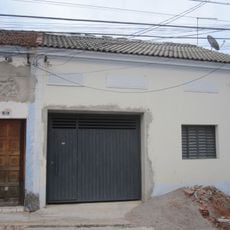
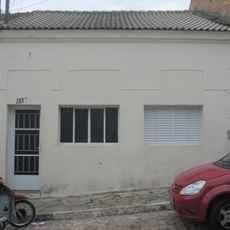
The Pedreira Itu supplied slabs for paving buildings and sidewalks in Itu from at least the early 18th century. Part of the quarry was listed by Condephaat for its scientific value, and the park was created after extraction ended. In 1938 geologist Othon Henry Leonardos recognised the Itu slab as varvite, calling it the country's finest exposure.
School groups and researchers come here regularly to study the rock layers and understand how the Earth changed over very long periods. The exposed walls work as a natural teaching surface that speaks for itself.
The park occupies the former Pedreira Itu quarry, where slabs of varvito were cut for paving Itu's buildings and sidewalks from at least the early 18th century. The exposed rock faces are the main feature to see; the site is a protected geological monument, so the layers and the fallen clasts embedded in them should not be touched or removed.
The rock layers visible here are called varves, formed by yearly cycles of meltwater and sediment deposit during an ice age around 300 million years ago. Each individual layer represents roughly one year, so visitors can literally count time in the wall.
The community of curious travelers
AroundUs brings together thousands of curated places, local tips, and hidden gems, enriched daily by 94,721 contributors worldwide.