Brazil, Federal republic in South America
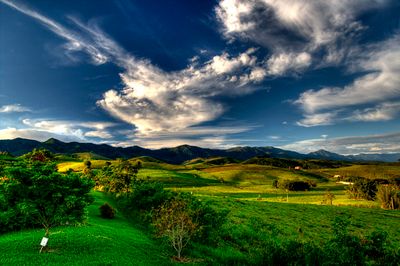
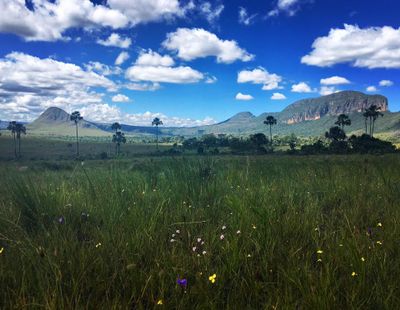
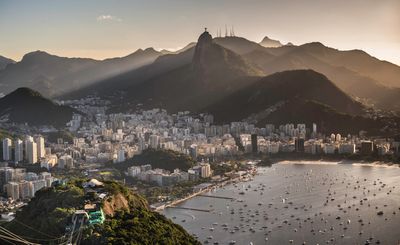
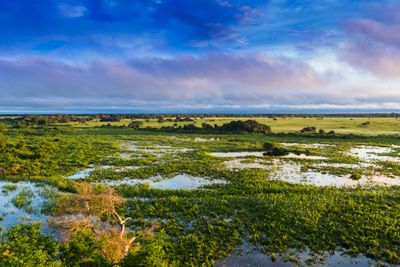
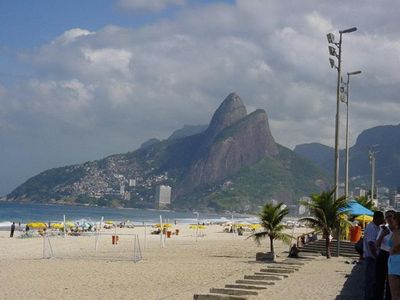
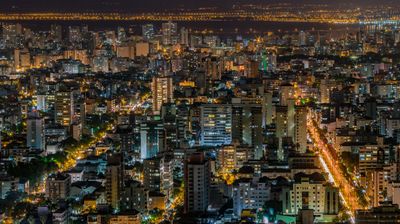
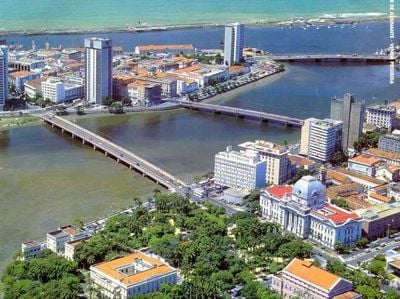
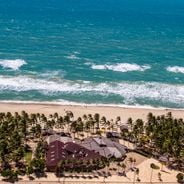
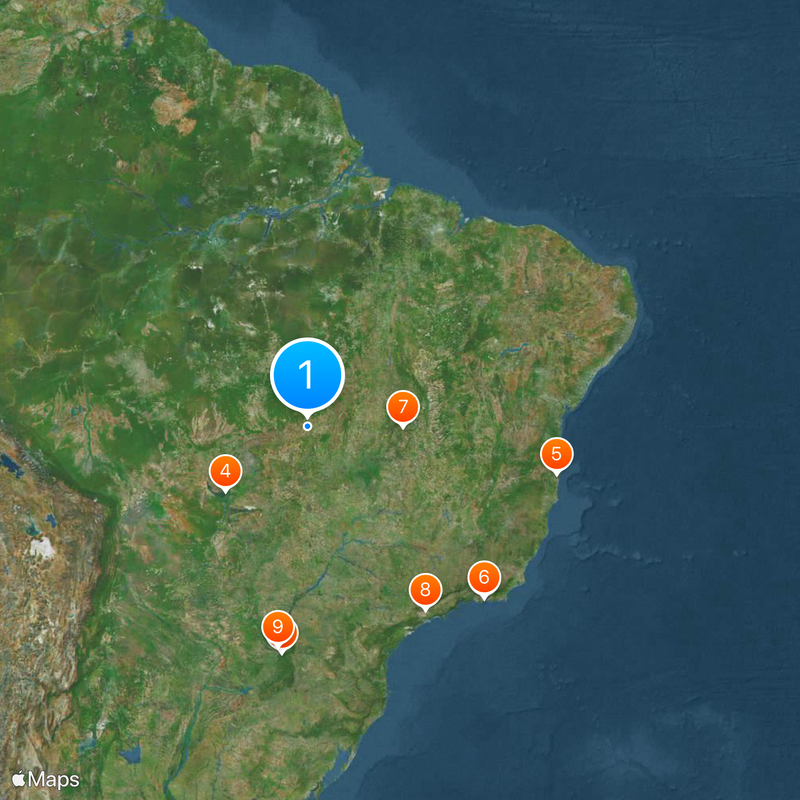
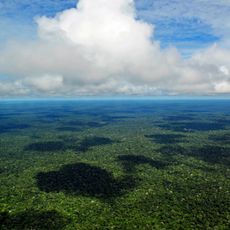
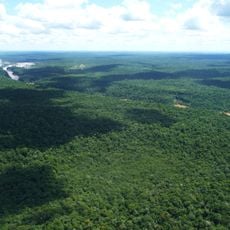
This country is a federal republic in South America stretching across more than 8.5 million square kilometers, encompassing different climate zones from the Amazon rainforest to the Atlantic coast. It shares borders with nearly every South American nation except Chile and Ecuador, forming the largest continuous state on the continent.
Independence was declared on September 7, 1822, when Dom Pedro announced separation from Portugal and established an empire. The monarchy ended in 1889 with the proclamation of the republic, fundamentally changing the political structure of the country.
The Portuguese language connects all regions, while local accents and dialects vary noticeably, reflecting the geographic diversity of the country. Street festivals, carnival celebrations, and religious processions shape public life, with music and dance often emerging spontaneously in daily routines.
Visitors need a valid visa before arrival, with requirements varying by nationality and processing times ranging from a few days to several weeks. Health authorities recommend certain vaccinations, especially for travel to rural or tropical areas, so early planning is advisable.
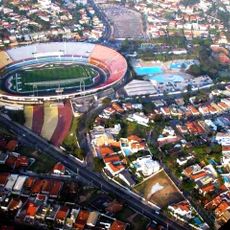
This nation holds five FIFA World Cup titles in football, more than any other, with victories between 1958 and 2002 across four different continents. The yellow jersey worn by the national team was introduced only after the 1950 World Cup, replacing the previous white kit considered unlucky.
The community of curious travelers
AroundUs brings together thousands of curated places, local tips, and hidden gems, enriched daily by 91,524 contributors worldwide.