Bahia, State region in eastern Brazil
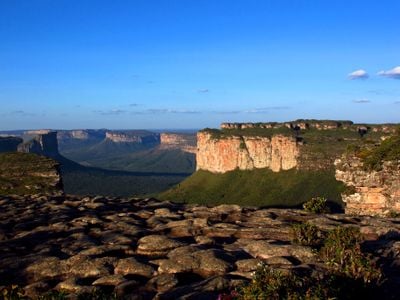
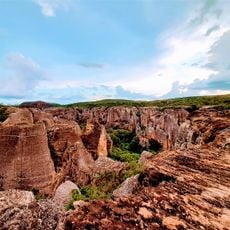
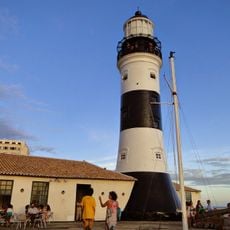
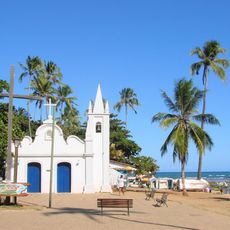
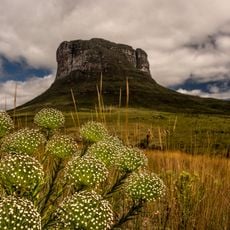
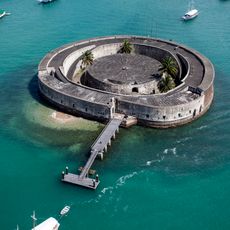
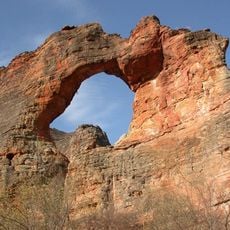
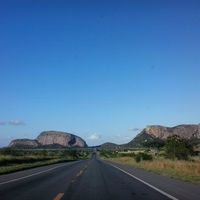
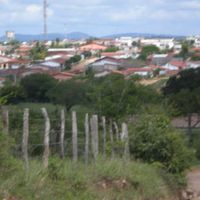
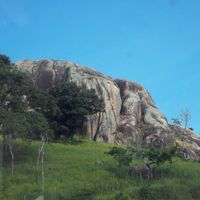
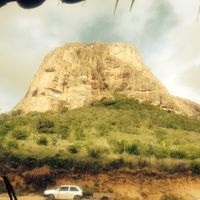
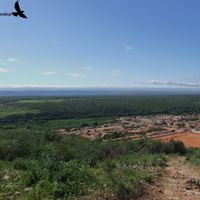
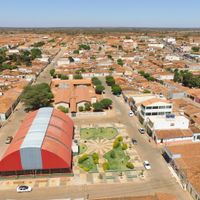
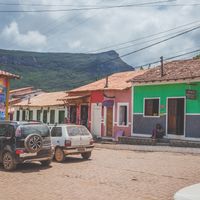
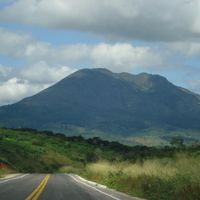
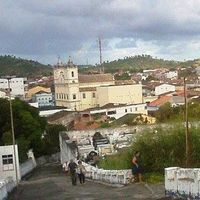
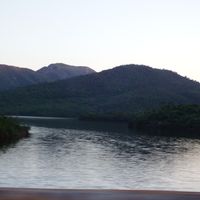
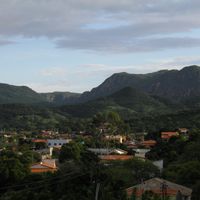
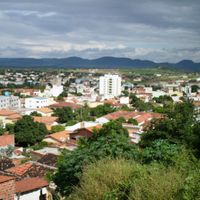
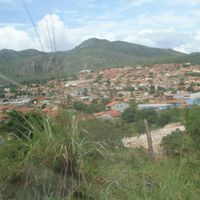
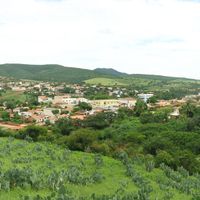
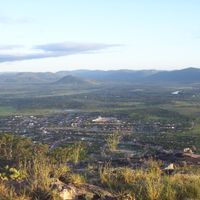
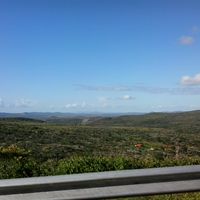
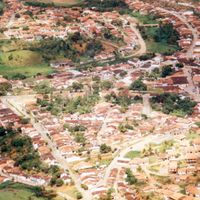
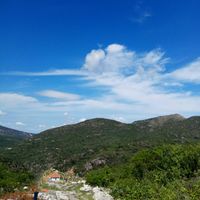
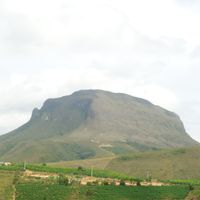
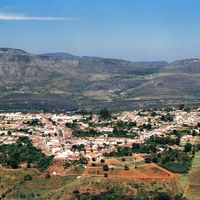
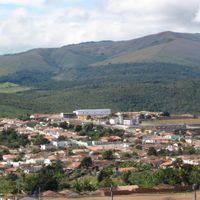
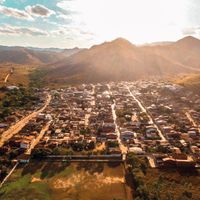
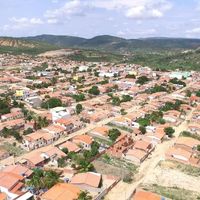
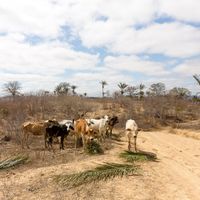
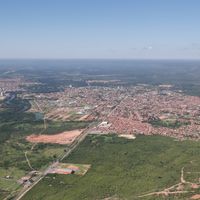
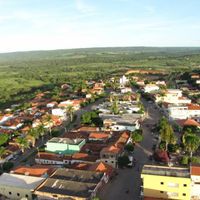
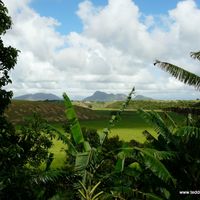
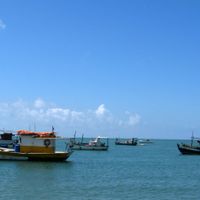
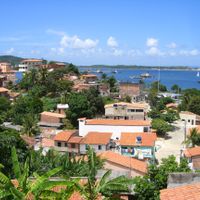
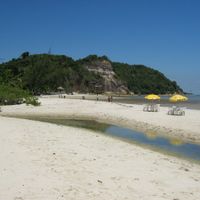
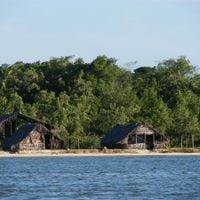
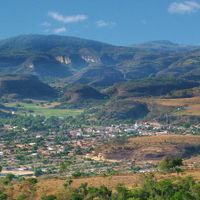
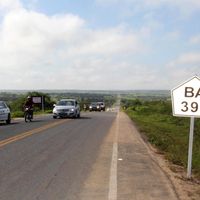
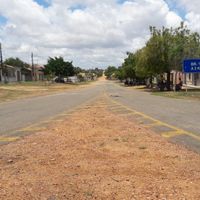
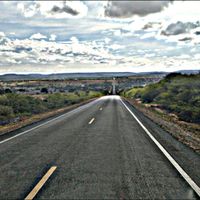
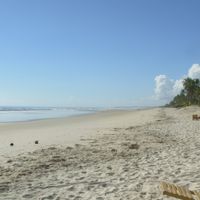
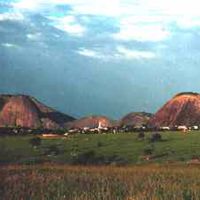
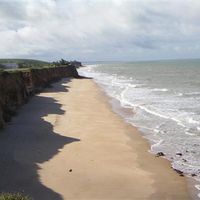
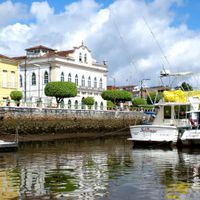
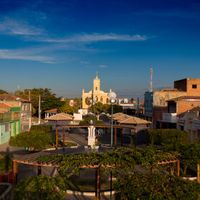
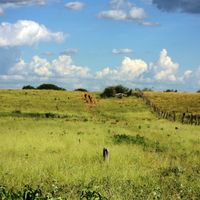
Bahia is a state in eastern Brazil that stretches across different landscapes from the Atlantic coast to inland plateaus, where the Diamantina Upland rises to 1850 meters. The coastline runs for hundreds of kilometers with bays, beaches and mangroves, while the interior alternates between dry plains and fertile valleys.
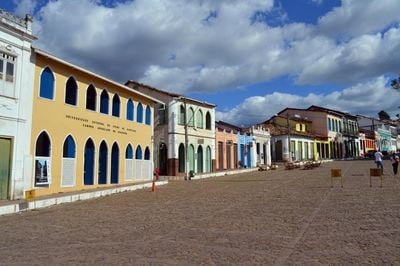
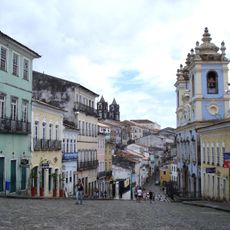
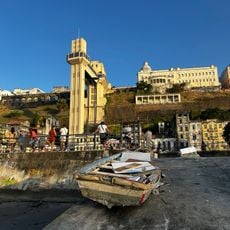
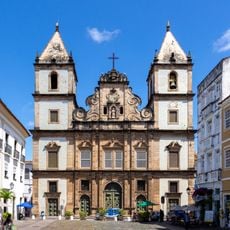
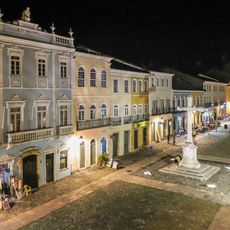
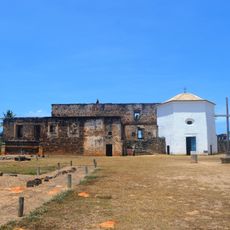
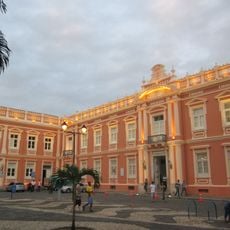
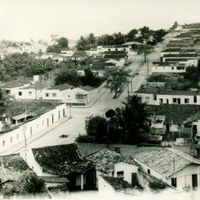
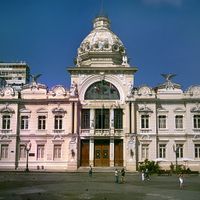
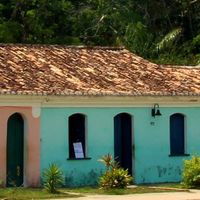
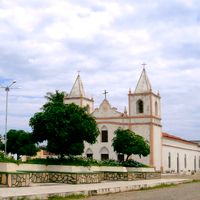
Portuguese sailors arrived at this coast in 1501 and named the area after the Bay of All Saints, where they founded Salvador, the first capital of the Brazilian colony. For over three centuries the region served as a hub for colonial trade before becoming a separate state in the 19th century.
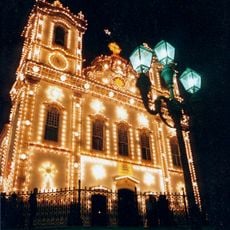
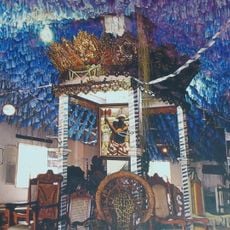
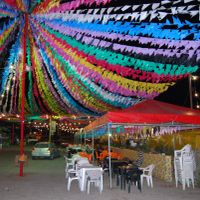
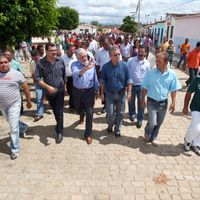
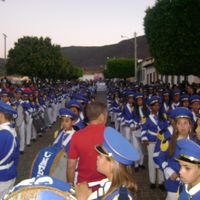
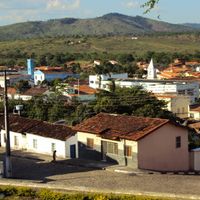
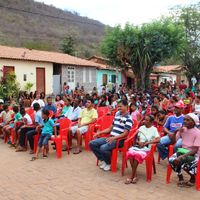
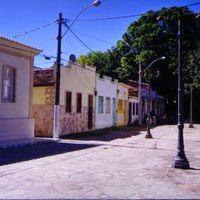
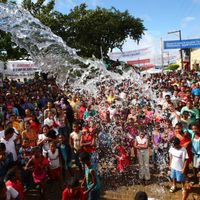
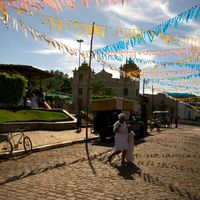
People here celebrate festivals year-round where African drums, dances and religious rituals shape everyday life, and visitors often find themselves invited to join in spontaneously. In coastal towns the air smells of dendê oil and spices, while street vendors sell acarajé and other traditional dishes prepared the same way for generations.
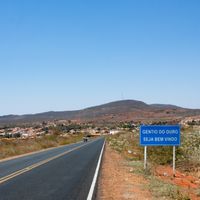
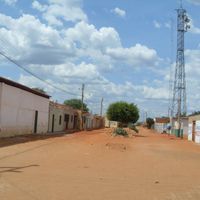
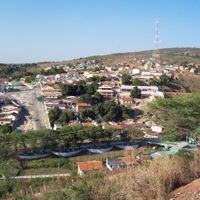
The coastal areas around Salvador are easy to reach and well connected, while remote parts of the interior require more travel time and planning. The climate along the coast stays warm and humid year-round, while the interior becomes drier and hotter during certain months.
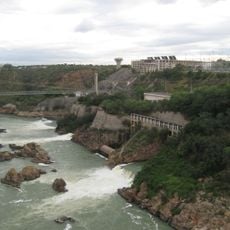
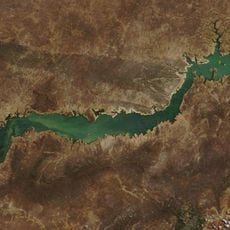
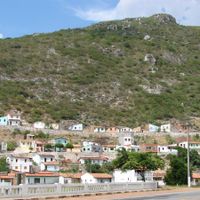
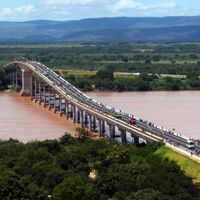
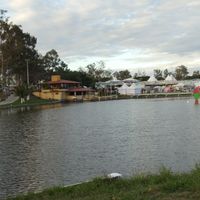
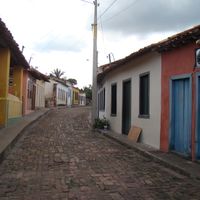
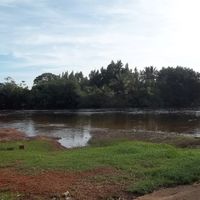
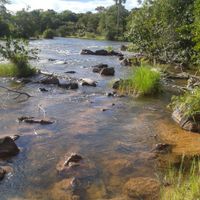
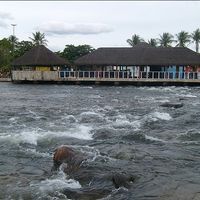
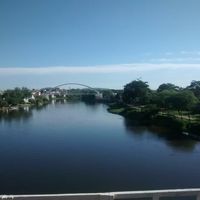
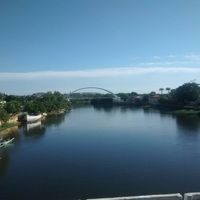
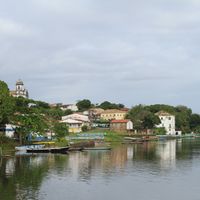
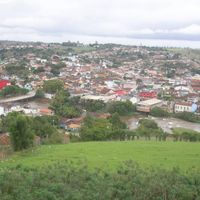
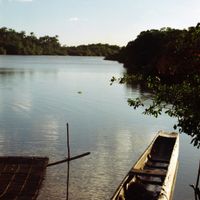
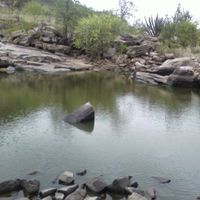
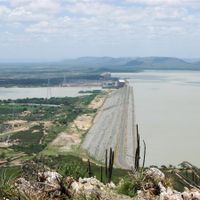
The São Francisco River crosses the west and forms natural borders with neighboring states, while its irrigation systems make farming possible in otherwise dry areas. Along its course lie small settlements that have depended on the water for centuries and developed their own way of life.
The community of curious travelers
AroundUs brings together thousands of curated places, local tips, and hidden gems, enriched daily by 91,438 contributors worldwide.