Ilê Axé Iyá Nassô Oká, Religious temple in Salvador, Brazil
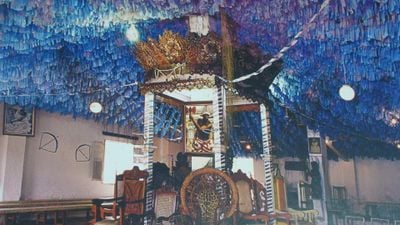
Ilê Axé Iyá Nassô Oká is a Candomblé religious complex in the Engenho Velho neighborhood of Salvador, registered as a protected national heritage asset. The site extends across 6,800 m² (73,000 square feet) and includes several buildings, sacred trees, and spaces for ritual practices.
The temple grew out of a Barroquinha community linked to the freed African women Iyá Nassô, Iyá Akalá and Iyá Detá; Iyá Nassô, known legally as Francisca da Silva, led it from about 1830. After the 1835 Malê Revolt, in which her sons were accused, she left for Africa in 1837 and never returned. Marcelina da Silva came back in 1839 and led the community until 1885, when it had already moved to the Engenho Velho estate. IPHAN listed the terreiro in 1984, the first Afro-Brazilian temple to receive national heritage status.
The temple preserves the worship of Orixás through ceremonies and offerings carried out according to West African traditions. The community honors Oxóssi and Xangô particularly through regular rituals that involve singing, dancing, and ceremonial robes.
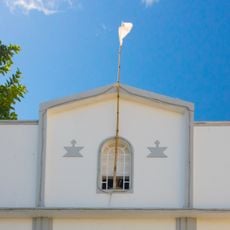
The entrance to the complex is located on Avenida Vasco da Gama, where a white flag marks the protected site. Visitors should be mindful of the religious nature of the place and dress respectfully, especially during ceremonial activities.
Brazilian architect Oscar Niemeyer designed the Oxum Plaza renovation with a boat-shaped shrine near the entrance. This shrine is dedicated to the goddess Oxum and connects modern architecture with Candomblé religious symbolism.
The community of curious travelers
AroundUs brings together thousands of curated places, local tips, and hidden gems, enriched daily by 92,865 contributors worldwide.