Historic Centre of Salvador da Bahia, Historic site in Salvador, Brazil
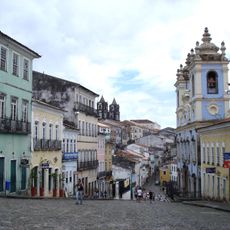
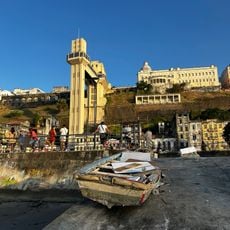
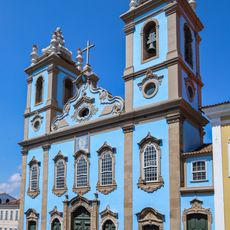
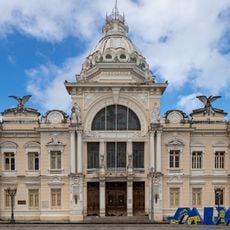
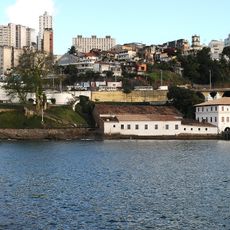
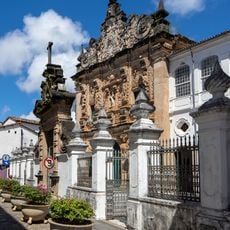
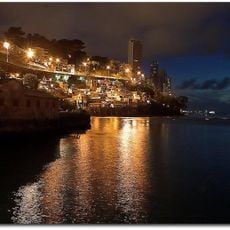
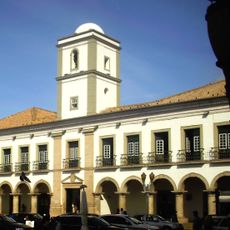
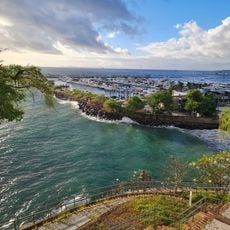
The Historic Centre of Salvador da Bahia is a neighbourhood on a cliff above the Bay of All Saints, split between the Upper City and the Lower City linked by the Lacerda Elevator, built in 1872. Its cobbled squares and steep lanes hold colonial sobrados and churches from the 17th to the 19th centuries, including the Terreiro de Jesus and the Largo do Pelourinho. The light-blue Instituto Geográfico e Histórico da Bahia, with five arched doorways and a triangular gable, faces a cobbled square.
It was founded in 1549 as Brazil's first capital and developed under Portuguese rule during the colonial period. Until 1763, it served as an important port for maritime trade that shaped the region's economy for centuries.
The neighborhood shows African, Portuguese, and indigenous roots through its religious practices, music, and food that remain part of daily life. You can see and feel these influences in the churches, the colorful buildings, and the way people gather in the streets and squares.
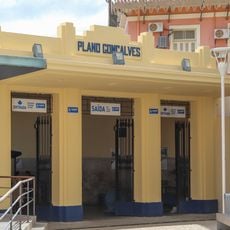
The area is filled with museums, restaurants, and cultural centers connected by the Lacerda Elevator, which moves people between the upper and lower sections easily. The steep streets and stairs require comfortable shoes and taking breaks as you walk through the old streets.
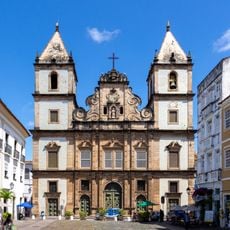
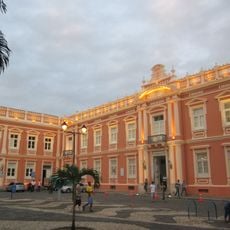
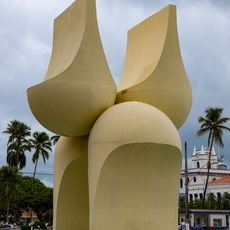
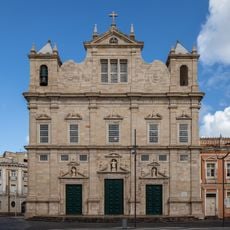
The Terreiro de Jesus square holds a 19th-century water fountain at its centre, surrounded by buildings from the 17th to 19th centuries, among them the former Jesuit church now the Cathedral Basilica. The square also borders the former Medical School, originally the Jesuit School, which now houses the Medicine Memorial and the Afro-Brazilian Museum.
The community of curious travelers
AroundUs brings together thousands of curated places, local tips, and hidden gems, enriched daily by 92,842 contributors worldwide.