Afro-Brazilian Museum, Cultural museum in Pelourinho, Salvador, Brazil.
The Afro-Brazilian Museum is a cultural institution in Salvador's historic district that focuses on connections between Brazilian and African artistic traditions. The collection includes wood carvings, pottery, baskets, and ceremonial objects from various African societies.
The museum opened on 7 January 1982, set up by Yeda Pessoa de Castro, then director of the Center for Afro-Oriental Studies, under an agreement between Brazil's Ministries of Foreign Affairs and Education and Culture, the government of Bahia, the city of Salvador and the Federal University of Bahia. It was first organised by Pierre Verger and is a supplementary body of the Faculty of Philosophy and Human Sciences, housed in the Faculty of Medicine at Terreiro de Jesus.
The museum holds 27 cedar carvings by the Argentine artist Carybé, each depicting an orixá of Bahian Candomblé. The works are carved reliefs in cedar wood, not large panels, and were made for the collection. Visitors can match each figure to the orixá it represents while moving through the room.
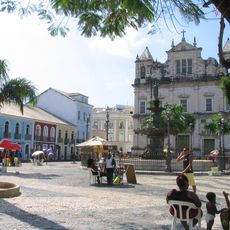
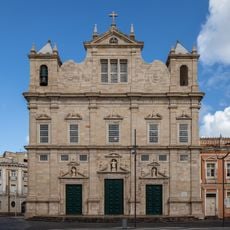
The museum is located at Largo Terreiro de Jesus in the historic district and is open on weekdays. Translation materials are available at reception to help visitors understand the collections.
The museum's 27 cedar carvings of the Candomblé orixás were made by the Argentine artist Carybé; they are relief carvings, not large wooden panels. The museum was first organised by the French photographer and researcher Pierre Verger, who also worked on Bahia's Afro-Brazilian heritage.
The community of curious travelers
AroundUs brings together thousands of curated places, local tips, and hidden gems, enriched daily by 92,816 contributors worldwide.