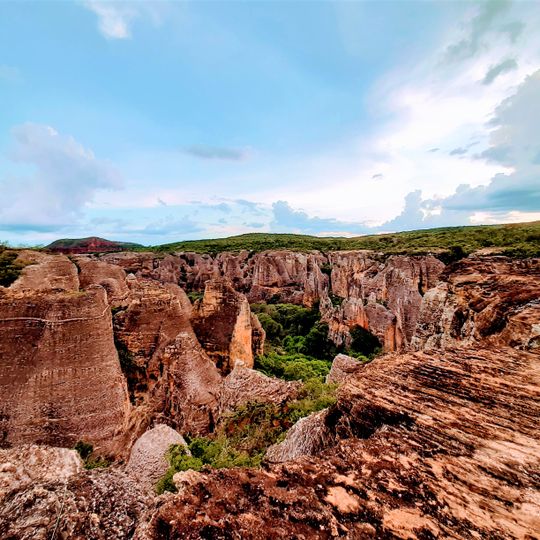
Serra da Capivara National Park, Archaeological nature reserve in Piauí, Brazil
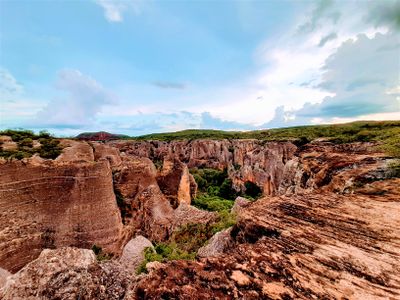
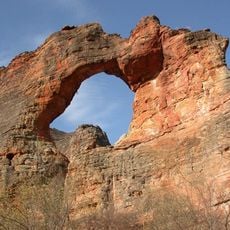
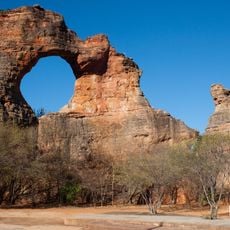
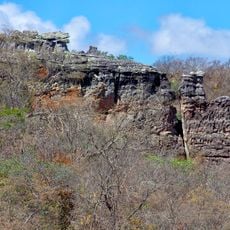
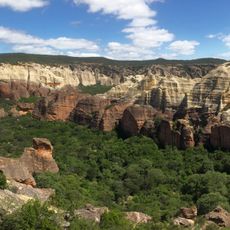
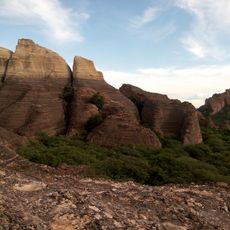
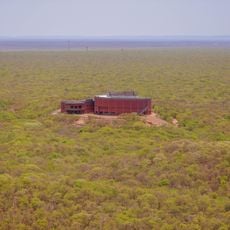
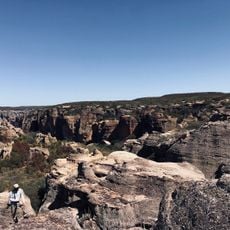
Serra da Capivara National Park is a nature reserve in northeastern Brazil covering 129,140 hectares of dry terrain with sandstone cliffs, valleys, and plains in the caatinga region. The landscape consists of red and beige rock formations rising above flat valley floors, connected by narrow canyons and stone pathways.
Archaeological discoveries at Boqueirão da Pedra Furada point to human settlements dating back around 50,000 years, challenging theories about the first inhabitants of the Americas. The park was established in 1979 to protect the prehistoric sites and declared a World Heritage Site in 1991.
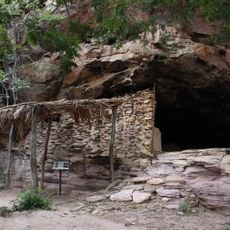
The sandstone walls display more than 39,000 rock paintings in red ochre, documenting hunting scenes, animals, and ritual practices of early inhabitants. Visitors follow trails to sheltered rock overhangs where people found protection for thousands of years.
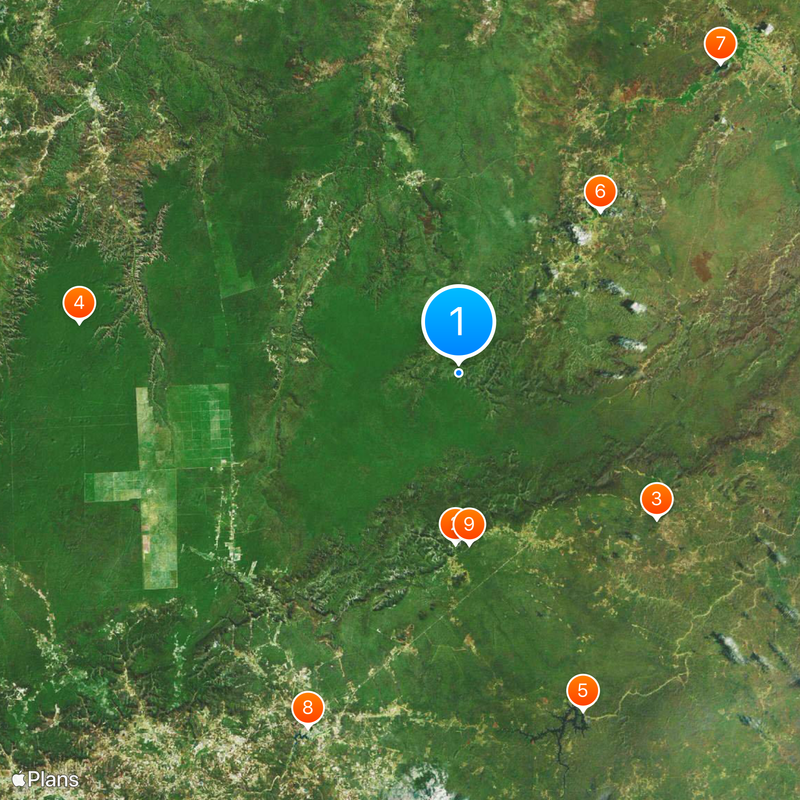
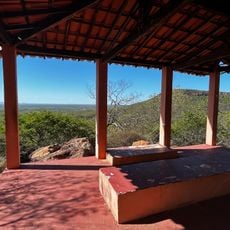
Access to the park is through São Raimundo Nonato municipality, where guides lead tours to the archaeological sites and geological formations. The best time to visit is between June and December, when temperatures are slightly cooler and trails remain drier.
Local capuchin monkeys demonstrate advanced tool usage by cracking nuts with stones, displaying complex foraging strategies passed down through generations. The monkeys carefully select flat stones as anvils and heavy pebbles as hammers to open the hard shells.
The community of curious travelers
AroundUs brings together thousands of curated places, local tips, and hidden gems, enriched daily by 60,000 contributors worldwide.