Toca da Tira Peia, Archaeological rock shelter in Coronel José Dias, Piauí, Brazil
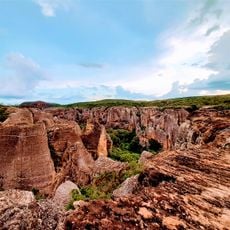
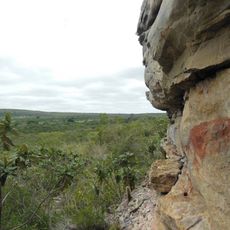
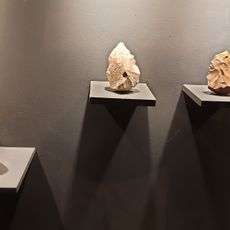
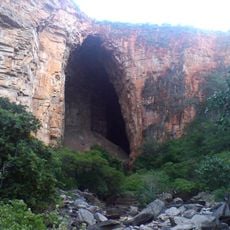
Toca da Tira Peia is an archaeological site set inside a natural rock shelter near Coronel Jose Dias in the state of Piaui, Brazil. The shelter covers a layered excavation area where stone tools were found at different depths within the sediment.
Excavations carried out in the 2000s and 2010s uncovered stone tools that pointed to human occupation much earlier than the dates previously accepted for settlement in the Americas. The findings were met with wide debate and pushed researchers to reconsider long-held views on how and when people first reached South America.
The site's name, Toca da Tira Peia, is the local Portuguese designation for this rock shelter in Coronel José Dias. Excavation in 2008 revealed 113 knapped stone tools and debris across five soil layers, the top dating to about 4,000 years ago and the third to 22,000 years ago. Researchers note the artifacts lie in their original position, undisturbed since burial.
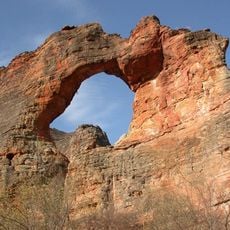
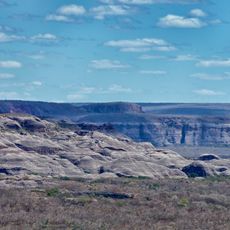
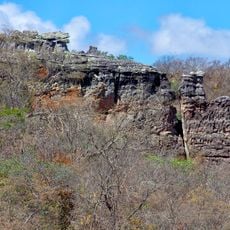
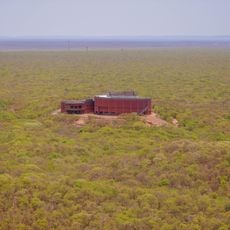
The shelter lies in Coronel José Dias municipality, near the Serra da Capivara National Park, and is not a developed visitor site: there are no marked trails or facilities. Access depends on arrangements with researchers or local guides familiar with the caatinga terrain. The excavation area itself is a working archaeological deposit, so entry should be agreed in advance.
The stone tools were found exactly where they were left thousands of years ago, with no later human activity disturbing their position. This undisturbed arrangement is rare at sites of this age and gives researchers an unusually clear picture of how early people used the space.
The community of curious travelers
AroundUs brings together thousands of curated places, local tips, and hidden gems, enriched daily by 92,849 contributors worldwide.