Santo Amaro, Colonial municipality in Recôncavo Baiano, Brazil
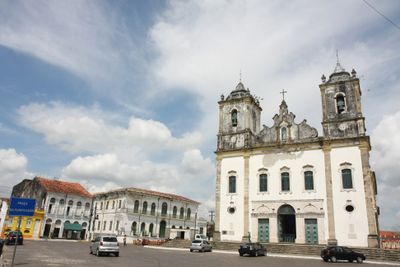
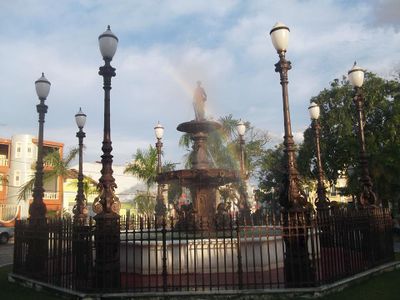
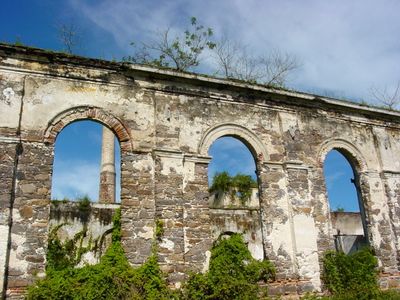
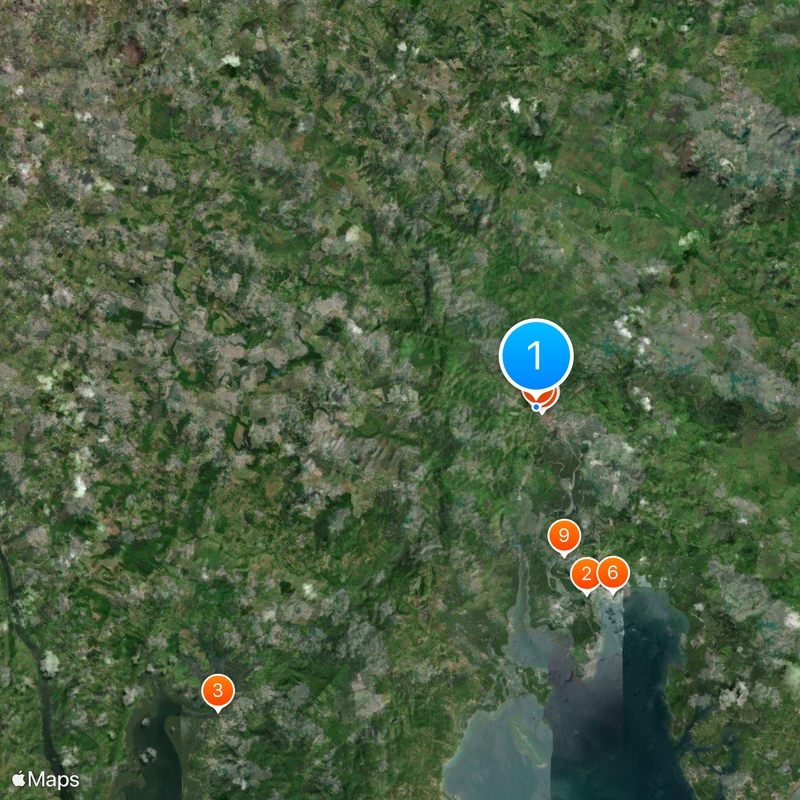
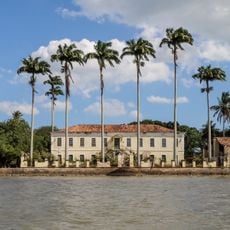
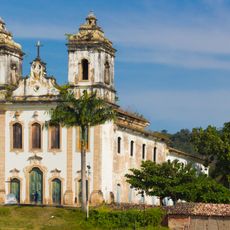
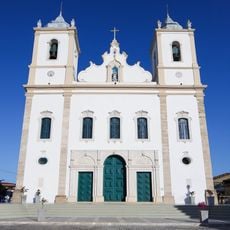
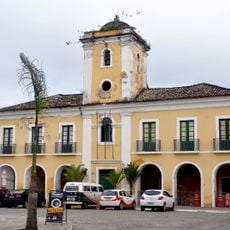
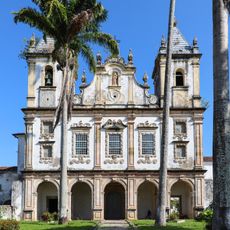
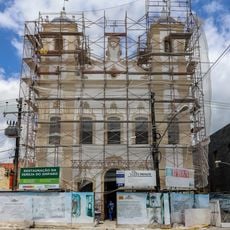
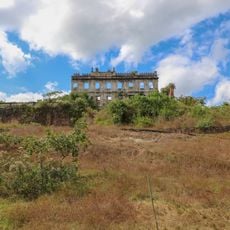
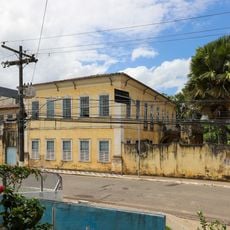
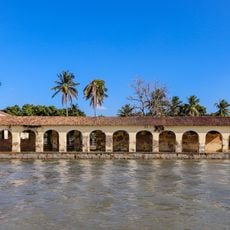
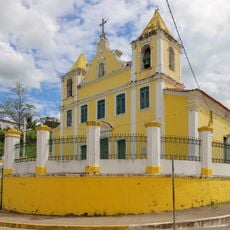
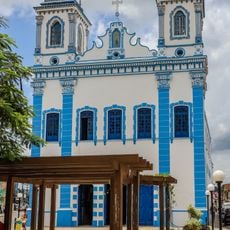
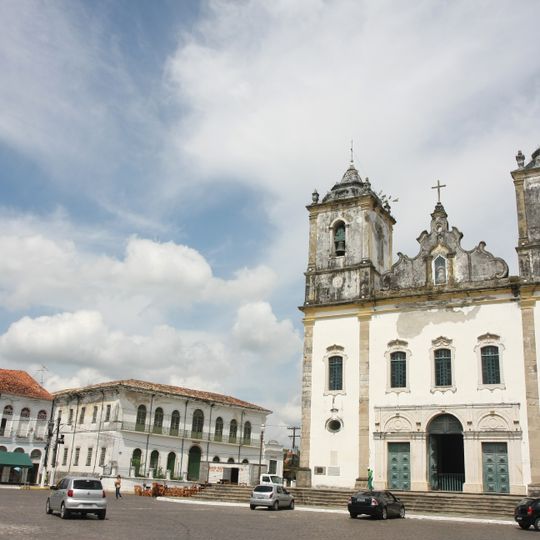
Santo Amaro is a municipality in the Recôncavo Baiano region of Bahia, situated along the Subaé River. The area features rolling terrain with a mix of rural land, small settlements, and historic colonial structures scattered throughout.
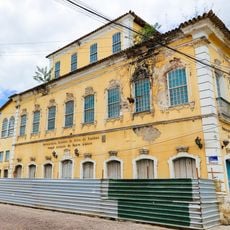
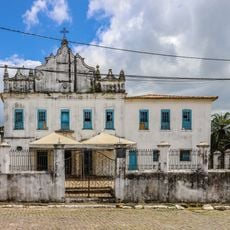
The settlement was founded in 1557 when Portuguese colonizers established sugarcane plantations that shaped the region's economy. Benedictine monks contributed significantly to building religious and social institutions during the 1600s.
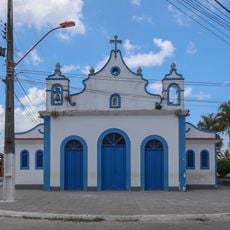
The town is deeply connected to Afro-Brazilian religious practices that shape daily community life. Visitors can observe how African and Catholic traditions blend in local celebrations and rituals.
The town is surrounded by agricultural areas and is best explored by car, since public transportation is limited. Visitors should note that most services and infrastructure are concentrated in the main town center.
The area played a central role in Brazil's early sugar cultivation history and is the birthplace of several important figures in Afro-Brazilian culture. These connections to key moments in Brazilian history make it an overlooked destination for those interested in cultural heritage.
The community of curious travelers
AroundUs brings together thousands of curated places, local tips, and hidden gems, enriched daily by 92,569 contributors worldwide.