Sobrado e Fábrica do Engenho Cajaíba, Plantation and historic site in São Francisco do Conde, Brazil
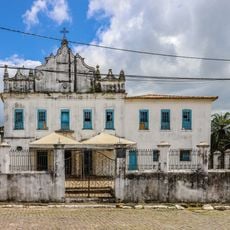
The Sobrado e Fábrica do Engenho Cajaíba is a complex combining a mansion and a former sugarcane factory that illustrates colonial Brazilian agricultural production. The site includes a two-story residence and adjacent processing facilities that together formed a functioning sugar mill operation typical of the region.
The estate dates to the late 18th century, when it belonged to José J. de Argolo, Sargento-Mor of the militia of São Francisco do Conde. It passed to his son José Maria de Argolo Ferrão and then to Lieutenant Colonel Alexandre G. A. Ferrão, born on the property in 1800 and later Baron of Cajaíba. In 1837 the Viscount of São Lourenço and Lieutenant Colonel Luis da França Brito Garcez met here with the owner, making the mill a center against the Sabinada.
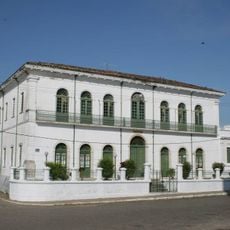
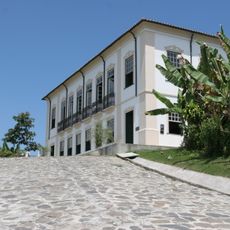
The mansion displays Portuguese colonial architectural features typical of Bahia, reflecting the daily life of plantation owners during that era. The sugar production facility next to it shows how closely living quarters and work were intertwined in the colonial economy.
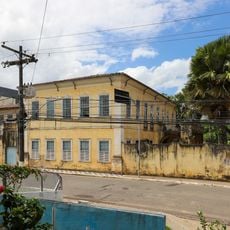
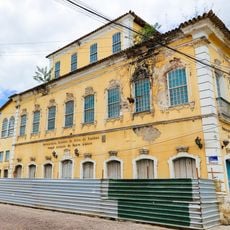
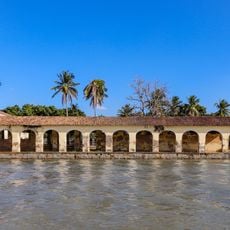
The house and the old factory stand on the bank of the canal separating Cajaíba island from the mainland, in São Francisco do Conde. The mansion is reached by a double two-flight staircase of Italian marble leading straight to the upper floor; the factory, a trapezoidal shed with twelve arches on its façade, now serves as a cattle pen. The property was listed by IPAC in 2004.
During 1837 regional conflicts in Bahia, this location held strategic importance for local resistance efforts. The mill served purposes beyond sugar production during these turbulent times, becoming involved in the political upheavals of the era.
The community of curious travelers
AroundUs brings together thousands of curated places, local tips, and hidden gems, enriched daily by 92,814 contributors worldwide.