São Francisco do Paraguaçu, Colonial riverside settlement in Cachoeira, Bahia, Brazil.
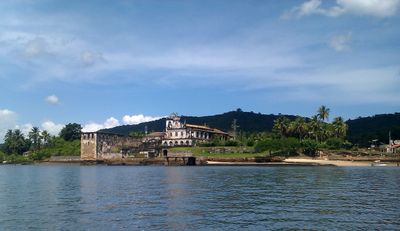
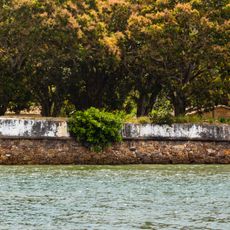
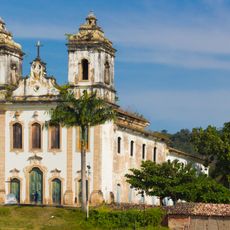
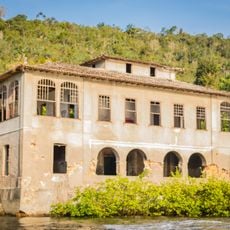
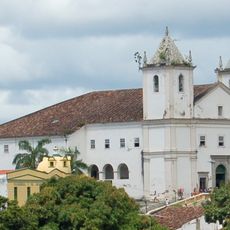
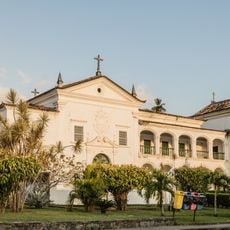
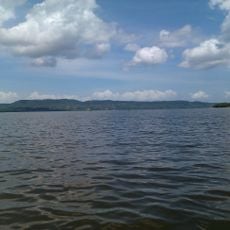
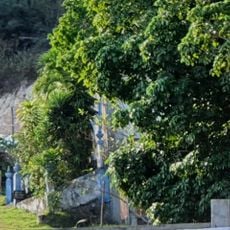
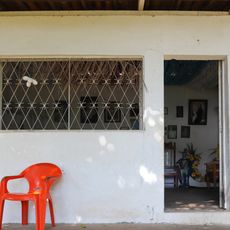
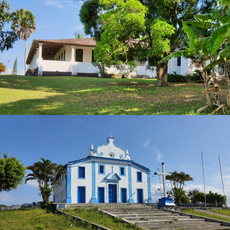
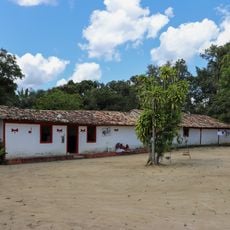
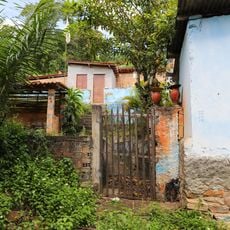
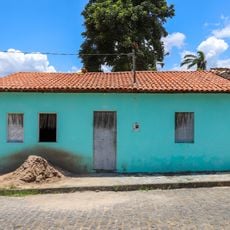
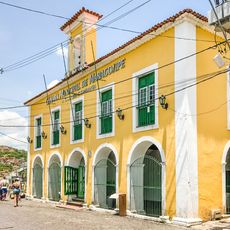
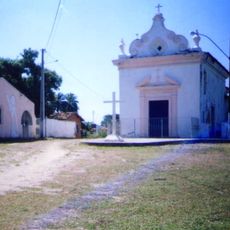
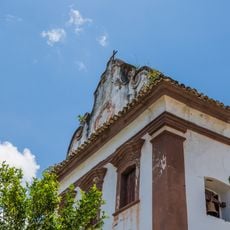
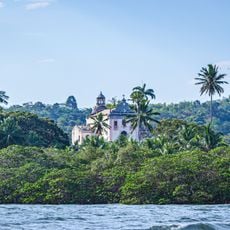
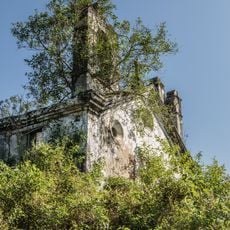
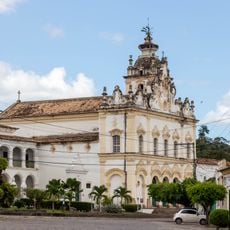
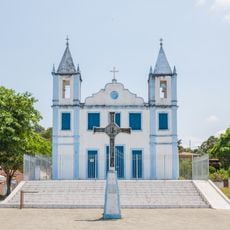
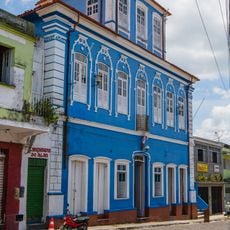
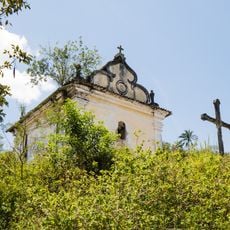
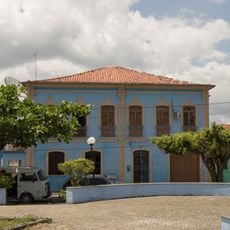
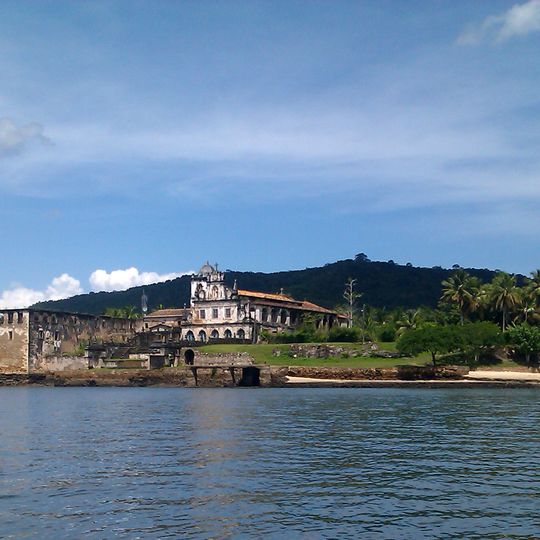
São Francisco do Paraguaçu is a colonial riverside settlement along Iguape Bay on the Paraguaçu River in Bahia, featuring Portuguese colonial architecture and traditional fishing structures. The village spreads along the water with modest homes and simple docks that reflect its long history of habitation.
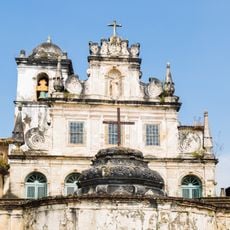
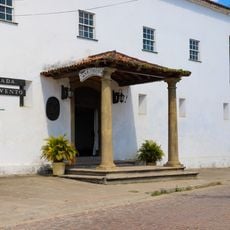
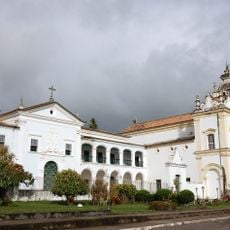
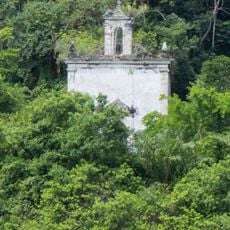
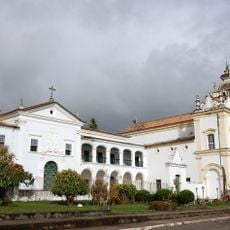
The settlement originated as a Portuguese colony and was reinforced by the construction of Santo Antonio Convent between 1658 and 1686. This religious institution shaped development in the area and represents early Portuguese religious presence in Brazil.
The village maintains its identity through artisanal fishing and small-scale farming that shape daily life for residents. These practices remain woven into the social fabric and connection locals have with the river.
The village is easy to explore on foot, with closely packed houses and open spaces along the water where you can observe local activity. Early morning is the best time to visit, when fishermen prepare their boats and the village is still quiet.
The name comes from the Indigenous Tupi language, with 'para' and 'guasu' together meaning a large river or body of water. This linguistic connection shows how the original inhabitants perceived and named the landscape.
The community of curious travelers
AroundUs brings together thousands of curated places, local tips, and hidden gems, enriched daily by 92,530 contributors worldwide.