Terreiro Zogbodo Male Bogum Seja Unde, Candomblé religious center in Cachoeira, Brazil
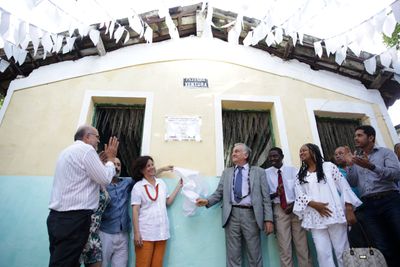
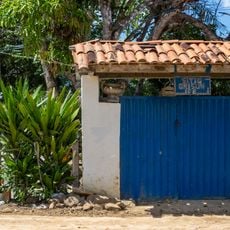
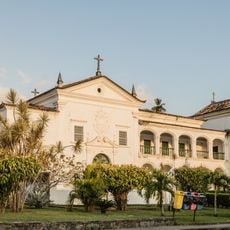
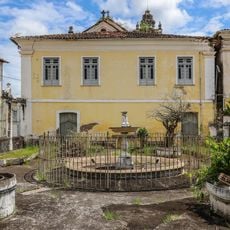
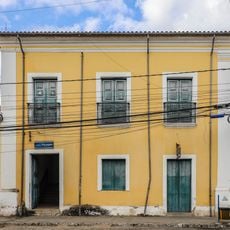
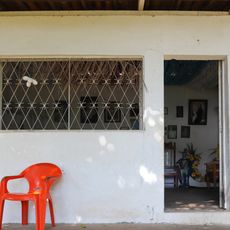
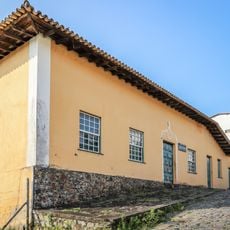
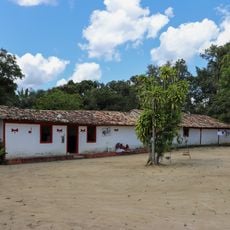
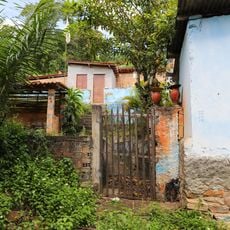
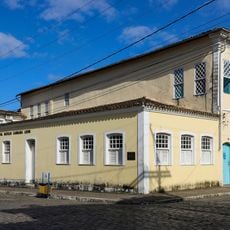
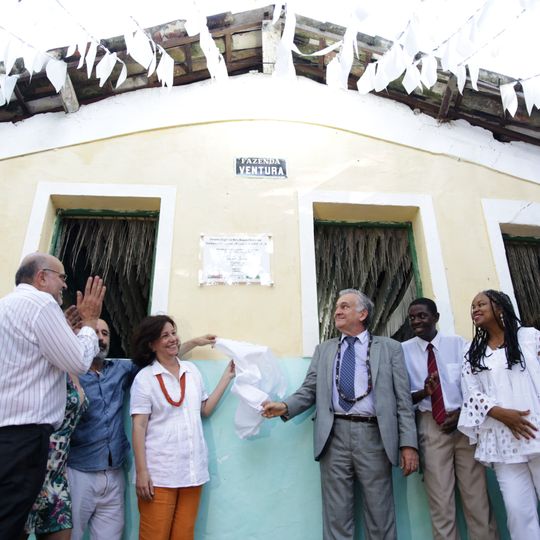
Terreiro Zogbodo Male Bogum Seja Unde is a Jeje-Mahi Candomblé religious center in Cachoeira, in the state of Bahia, Brazil. The grounds hold several buildings, including ceremonial halls, a sacred kitchen, and altars, all set among old trees and crossed by a small stream.
This terreiro was founded in 1858 by Maria Luisa Gonsaga, known as Maria Ogorensi, making it one of the oldest Jeje-Mahi Candomblé centers in Bahia. It was established at a time when enslaved Africans and their descendants were beginning to build organized religious spaces across the region.
This terreiro is one of the few places in Brazil where the Jeje-Mahi tradition of Candomblé is actively practiced, a form brought by people from what is now Benin and Togo. Visitors can see how ritual life, sacred spaces, and community daily life are woven together across the grounds.
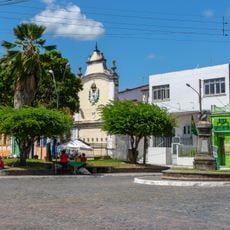
The site is located in a quiet part of Cachoeira and takes some time to walk through properly, as the buildings and sacred areas are spread across a large grounds. Visitors are expected to dress modestly, and some spaces may only be open during religious gatherings.
The Riacho Caquende stream that crosses the grounds is divided into two sacred sections called Aziri and Avinagé, each with its own role in the rituals. Water here is not treated as a backdrop but as an active part of religious practice.
The community of curious travelers
AroundUs brings together thousands of curated places, local tips, and hidden gems, enriched daily by 92,591 contributors worldwide.