Cachoeira, Colonial municipality in Bahia, Brazil
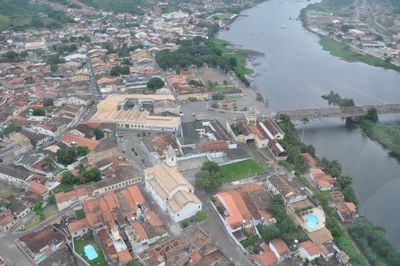
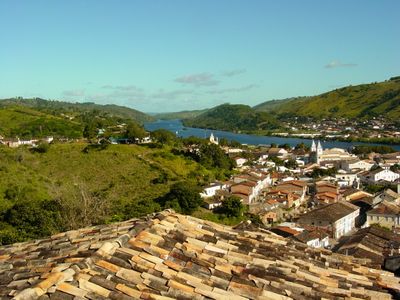
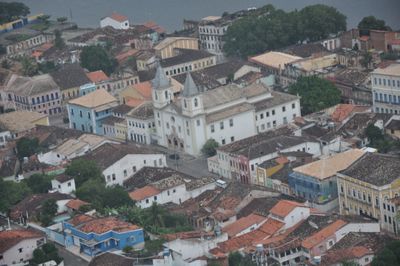
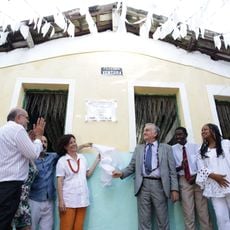
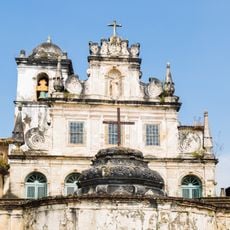
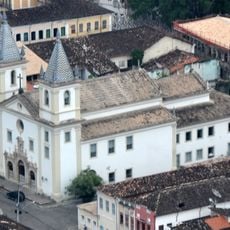
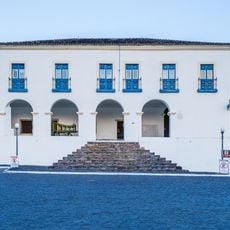
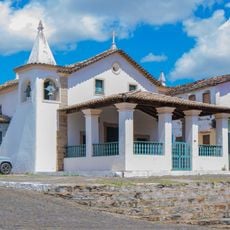
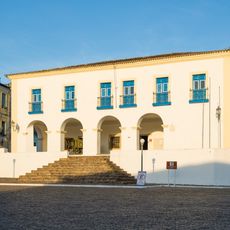
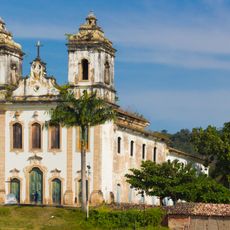
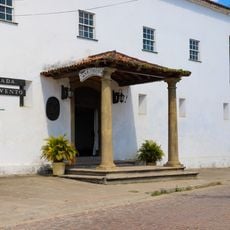
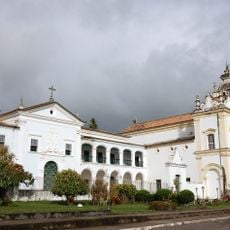
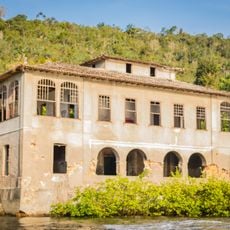
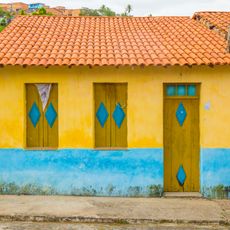
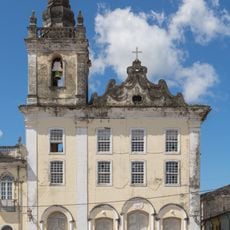
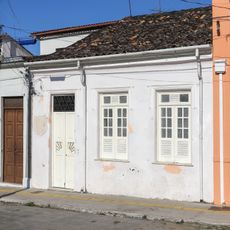
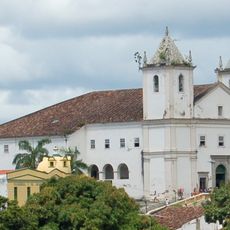
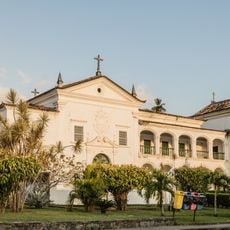
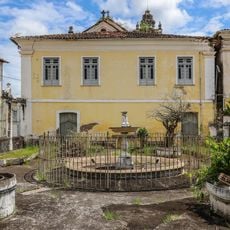
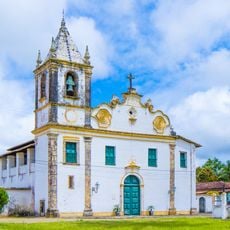
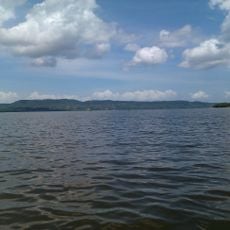
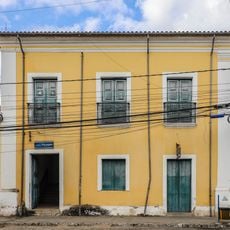
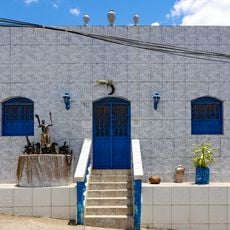
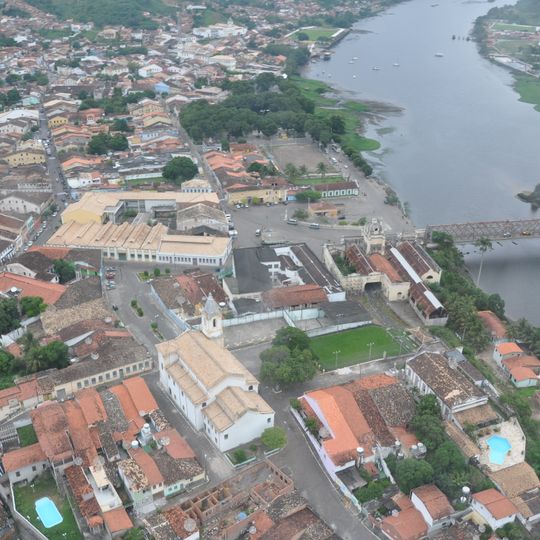
Cachoeira is a municipality along the Paraguaçu River in the Brazilian state of Bahia. The settlement spreads across a hilly area with cobbled streets running between churches, manor houses and low residential buildings topped with tile roofs.
European settlers founded an outpost on the riverbank in the early 16th century and transformed the area into a center for sugarcane and tobacco. The municipality played a central role in regional conflicts and independence movements during the 19th century.
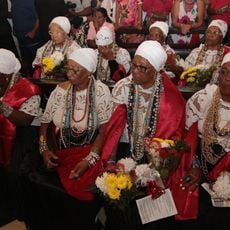
The local shrines and worship houses belong to the oldest centers of Afro-Brazilian faith in the country and draw believers from many parts of Brazil. Festivals and processions mark the calendar throughout the year, with participants dressed in traditional garb moving through narrow streets while drums and chants fill the air.
Many points of interest lie within walking distance in the historic core, where steep hills and uneven paving make comfortable shoes necessary. The midday heat is best avoided by exploring in morning hours or late afternoon when cooler breezes come in from the river.
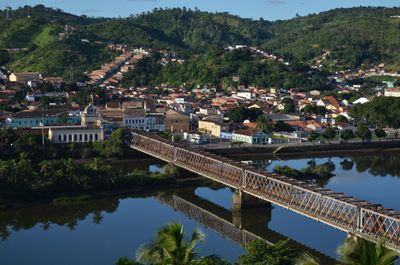
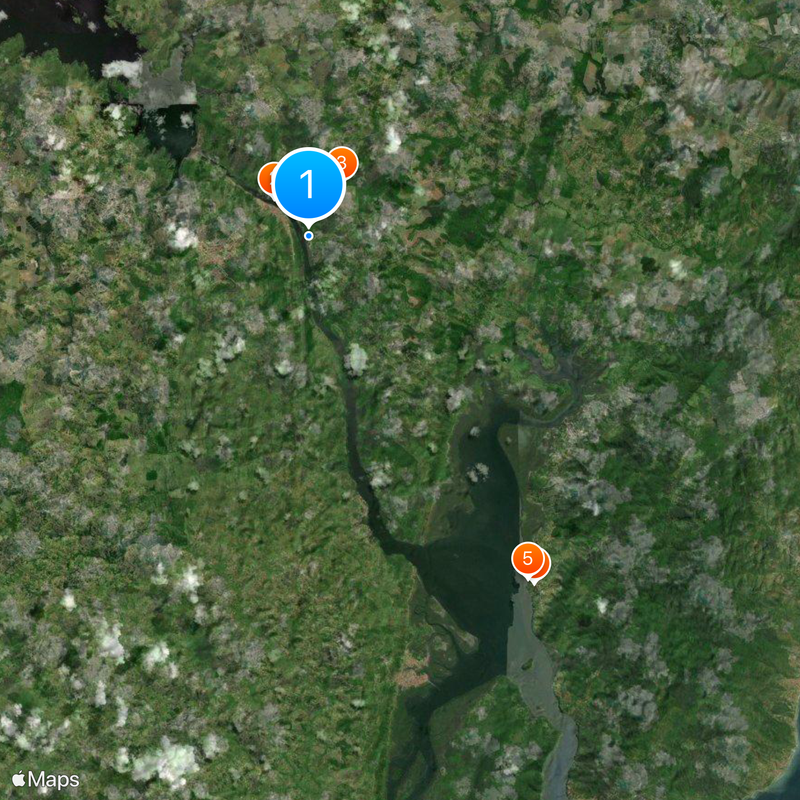
An old stone bridge from the late 19th century spans the river and connects both banks with several tall arches that allow boat traffic to pass underneath. The structure carries the name of an emperor and serves both pedestrians and vehicles to this day.
The community of curious travelers
AroundUs brings together thousands of curated places, local tips, and hidden gems, enriched daily by 91,441 contributors worldwide.