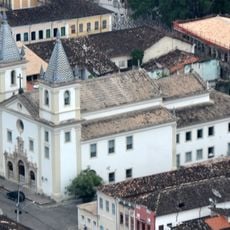
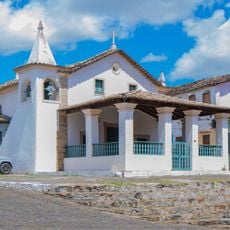
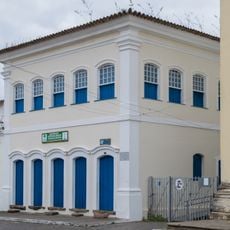
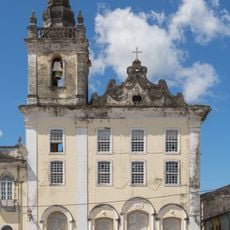
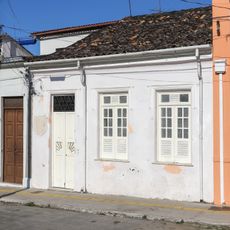
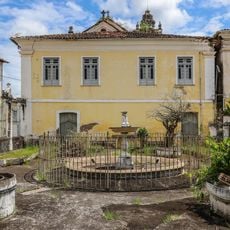
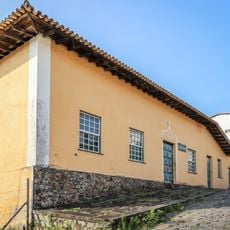
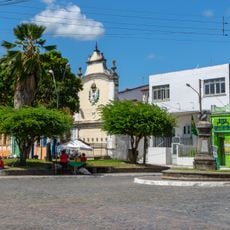
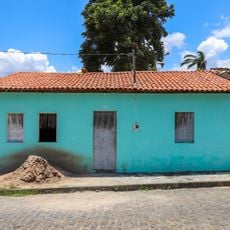
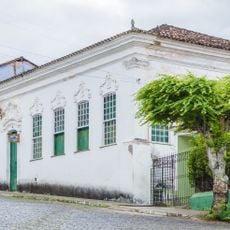
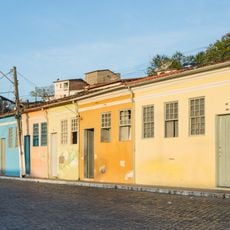
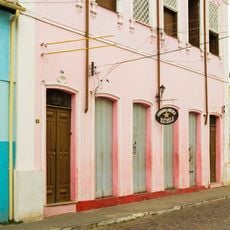
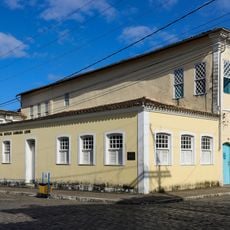
Asepò Erán Opé Olùwa, Candomblé terreiro in Cachoeira, Brazil.
Asepò Erán Opé Olùwa, also called Terreiro Viva Deus, is a Candomblé terreiro in Cachoeira, Bahia, founded in 1911 by José Domingos Santana, known as Zé do Vapor. Its grounds, now about 36,938 m², hold a barracão de festas, houses with assentaramentos for the orixás, and lodgings for filhos de santo during festivals, plus a wooded area used for rituals.
Founded on 23 June 1911 by José Domingos Santana, known as Zé do Vapor, the terreiro has operated without interruption since. Its land, originally about 4.3 hectares, was donated by maestro Tranquilino Bastos (1850-1935) after Zé do Vapor saved the life of his wife, Joana Ursulina Uzêda. After years without a leader from 1962 to 1982, Babalaxé Luis Sérgio Barbosa directed it until 2012, followed by Dona Daddy.
The terreiro follows the Nagô-Vodum tradition and honours Ogum, Iemanjá and Oxumaré, the orixás of founder Zé do Vapor, alongside the caboclos. Its festival hall (barracão) and houses holding the deities' assents host the annual celebrations, when filhos de santo stay on the grounds. The terreiro lies in Terra Vermelha, as recalled in the testimony published in Marcos Carvalho's book on Gaiaku Luíza.
Advance contact with temple administrators is necessary before attending ceremonies and spiritual gatherings. Specific dress codes and behavioral expectations should be observed to show respect for the sacred space.
The land was donated by Maestro Tranquilino Bastos (1850-1935) after Zé do Vapor saved the life of his wife, Joana Ursulina Uzêda. The original 4.3 hectares have shrunk to about 36,938 m² through real-estate pressure and encroachment, especially on the wooded area used for worship.
The community of curious travelers
AroundUs brings together thousands of curated places, local tips, and hidden gems, enriched daily by 93,850 contributors worldwide.