Rio Grande do Sul, Administrative division in southern Brazil.
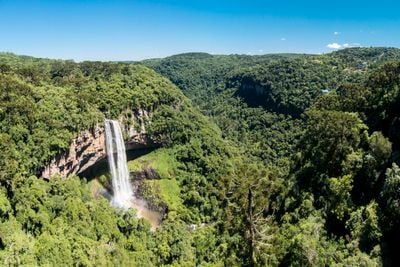
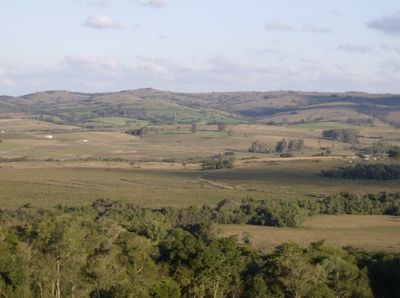
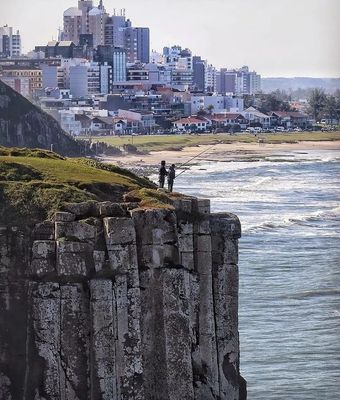
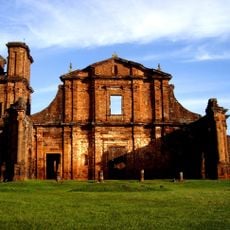
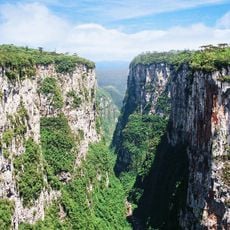
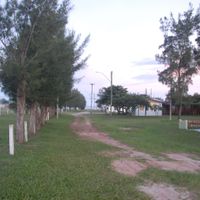
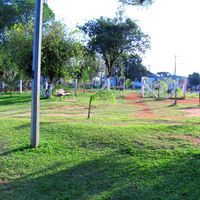
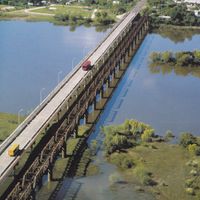
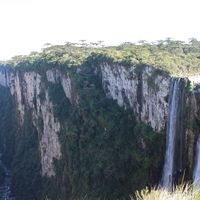
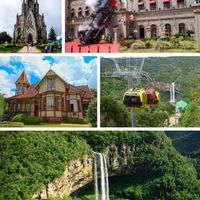
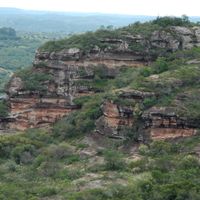
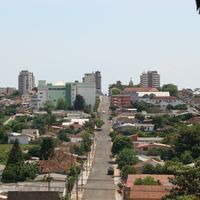
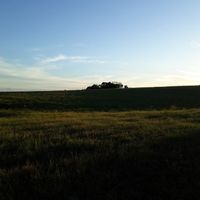
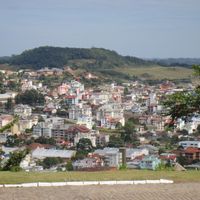
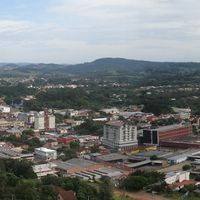
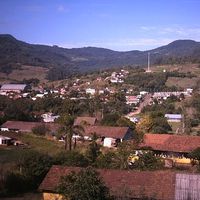
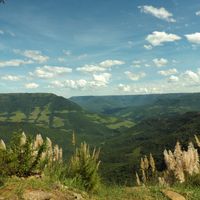
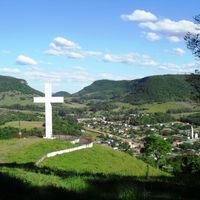
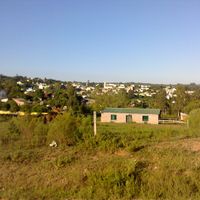
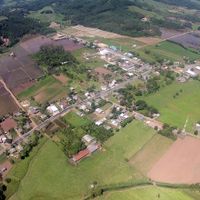
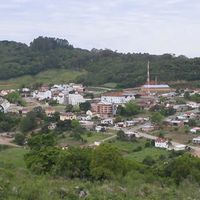
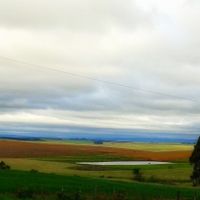
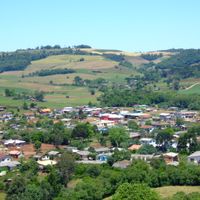
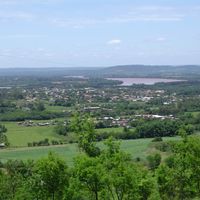
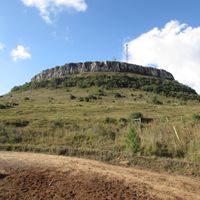
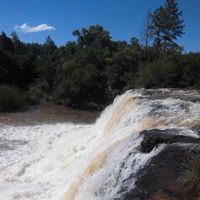
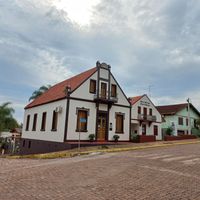
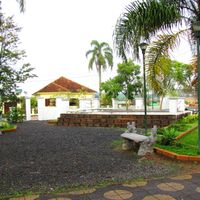
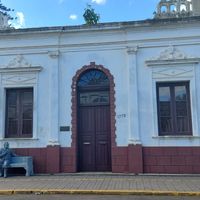
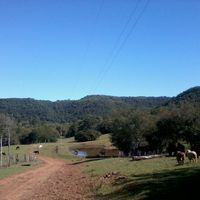
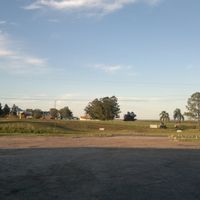
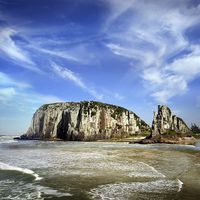
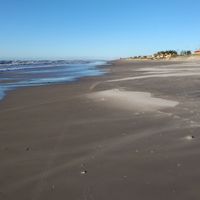
Rio Grande do Sul is an administrative division in southern Brazil that stretches from the Atlantic coast to the frontier with Uruguay. The area includes flat plains, plateaus and coastal lowlands, where lagoons and wetlands accompany the terrain and the scenery shifts from pastures to forested hills.
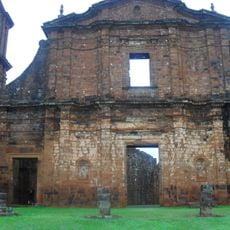
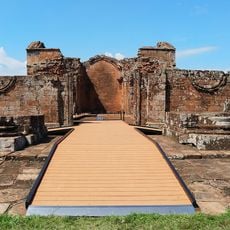
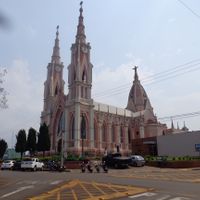
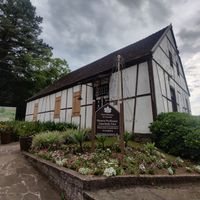
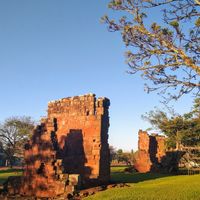
Portuguese and Spanish forces fought over this area for centuries until diplomatic treaties in the 18th century assigned it to the Portuguese crown. Later waves of European immigrants arrived and built settlements in the interior, shaping an economy based on farming and cattle ranching.
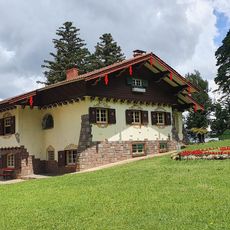
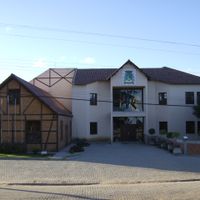
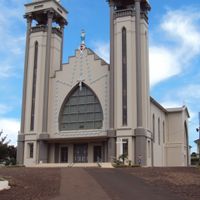
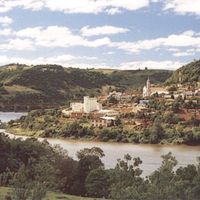
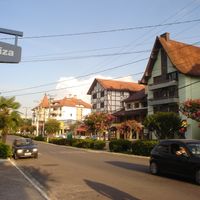
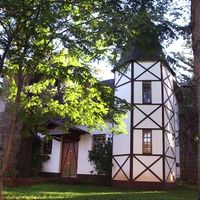
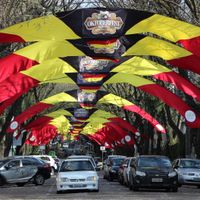
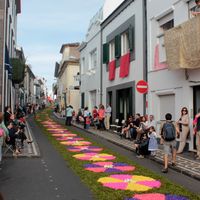
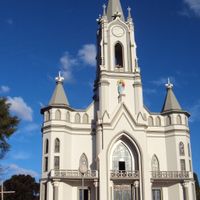
Communities in the countryside still celebrate festivals rooted in German and Italian traditions, where accordion music, folk dances and dishes like sausages or grape juice accompany the gatherings. Visitors encounter these influences in small inns and farms, where family recipes and immigrant customs shape everyday routines and hospitality.
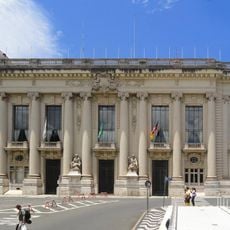
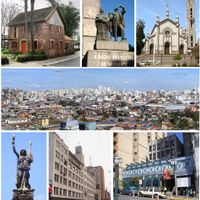
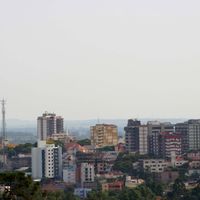
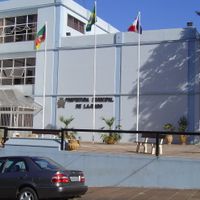
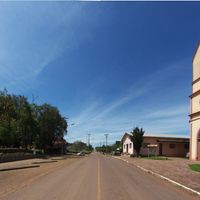
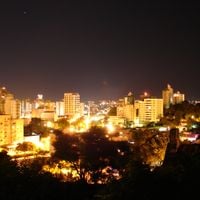
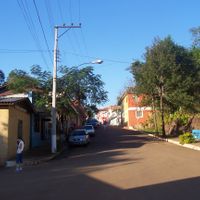
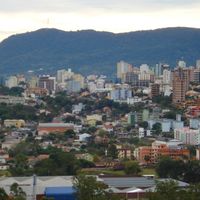
The capital Porto Alegre acts as a starting point for trips into the interior and offers government offices, health services and transport hubs. Smaller towns in the countryside are connected by roads, and distances vary so that journeys may take several hours depending on the destination.
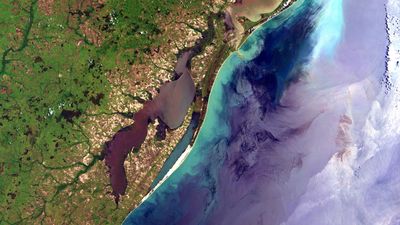
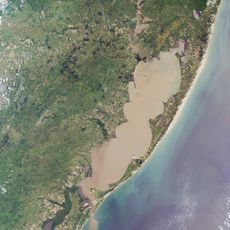
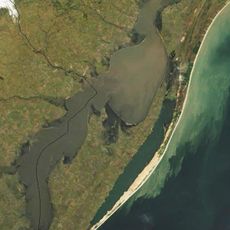
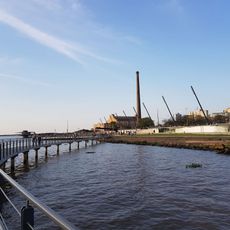
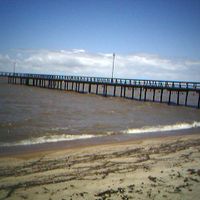
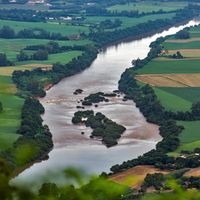
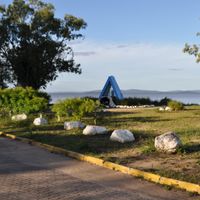
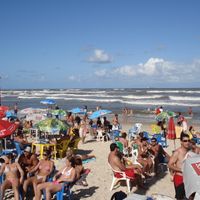
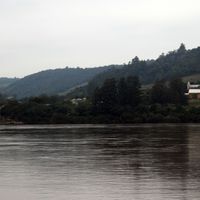
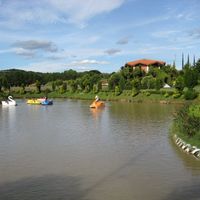
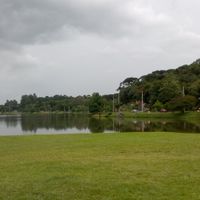
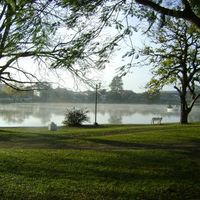
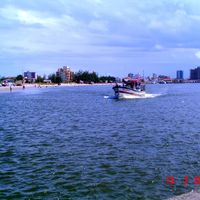
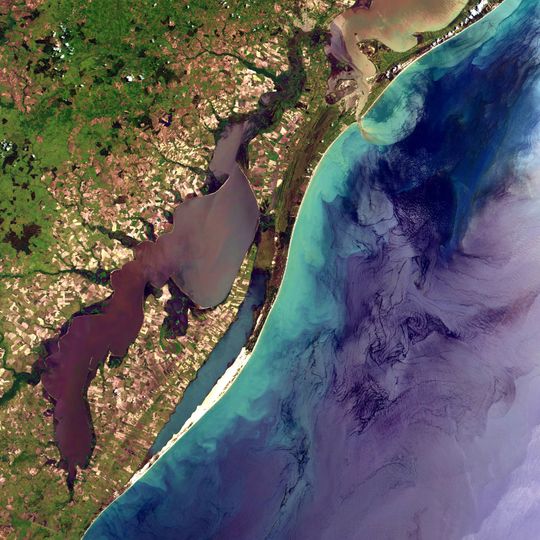
A series of connected lagoons along the coast forms a sprawling water system that mixes fresh and salt water and provides habitat for rare bird species. Visitors see pelicans, swans and flamingos resting in shallow bays and islands, bringing life to the shore throughout the year.
The community of curious travelers
AroundUs brings together thousands of curated places, local tips, and hidden gems, enriched daily by 60,000 contributors worldwide.