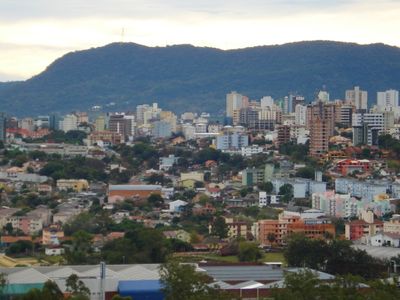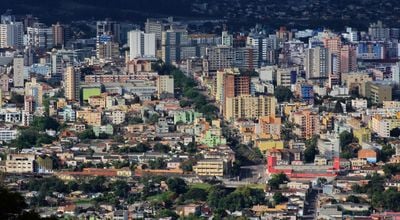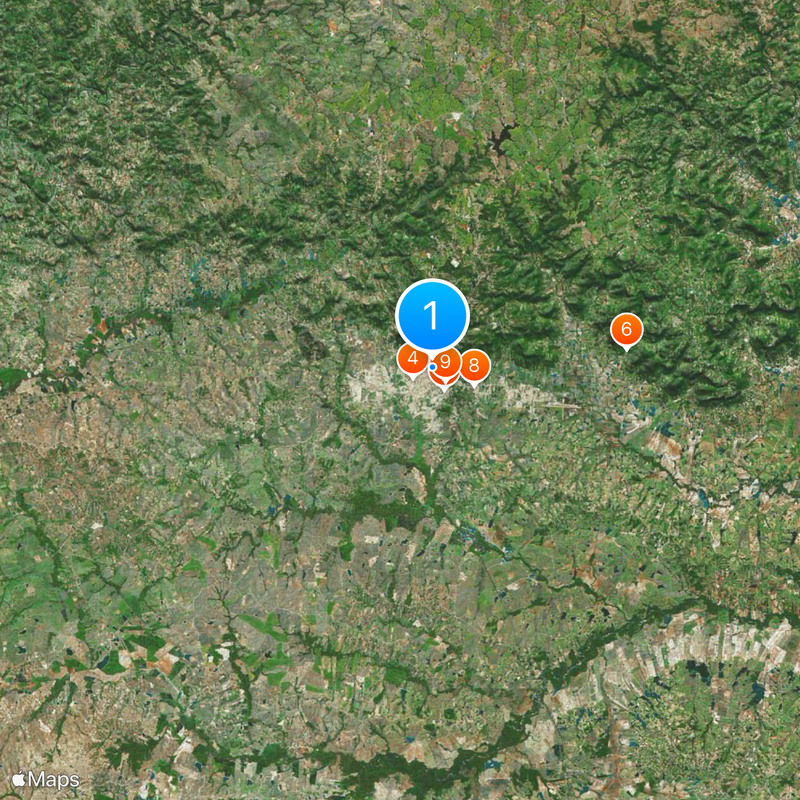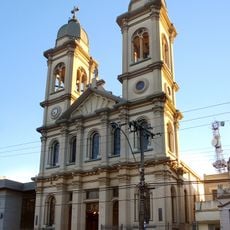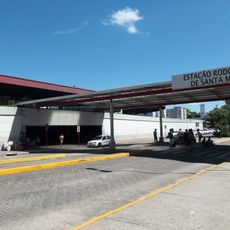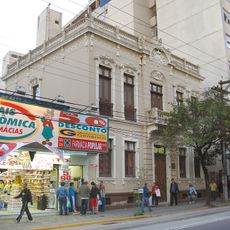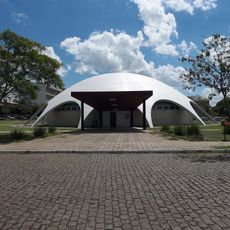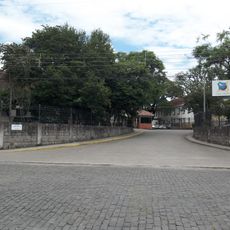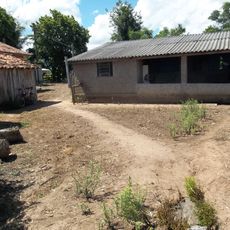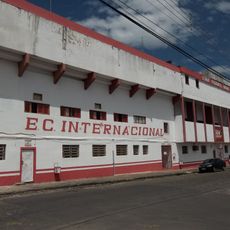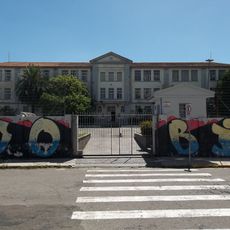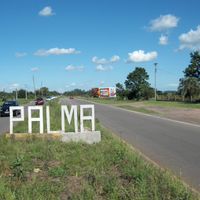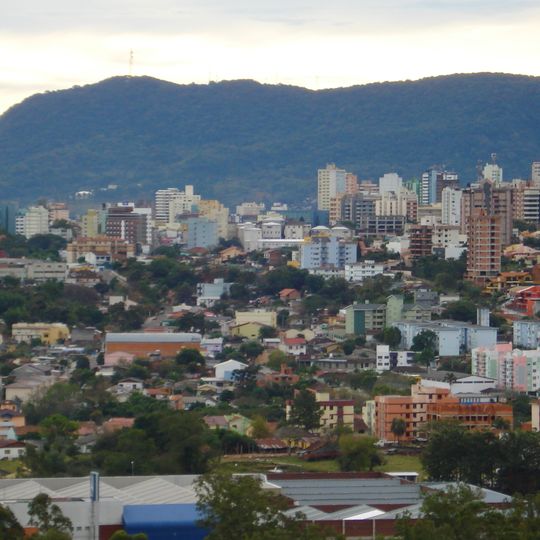
Santa Maria, Educational center in Rio Grande do Sul, Brazil.
Santa Maria is a municipality in Rio Grande do Sul that sits at an elevation of 113 meters above sea level and covers an area of 1823 square kilometers. The population reached 283677 residents in 2020, distributed across ten administrative districts.
The territory began in 1797 as a military camp established to mark boundaries between Portuguese and Spanish territories in South America. The settlement officially gained municipality status in December 1857 and grew into a regional center.
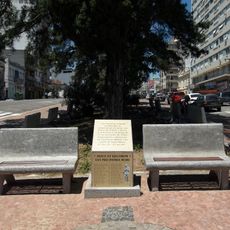
The city takes its name in honor of the Virgin Mary and residents maintain ties to local military traditions through monuments and public squares. Visitors can observe the presence of students in cafés and bookstores, where young people gather to study and exchange ideas.
The central district divides into 41 neighborhoods, each offering its own shops and services, while the remaining districts lie further out. A car or public transport helps reach more distant areas, though the center remains walkable.
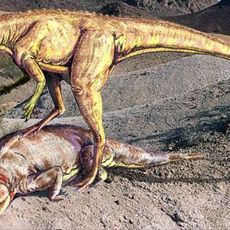
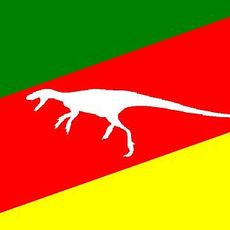
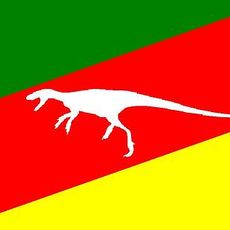
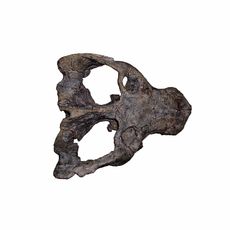
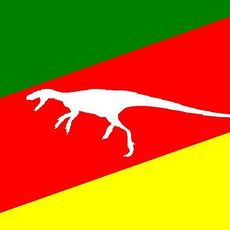
The surrounding area gained importance as the location where researchers discovered the first dinosaur fossils in Brazil, making the region a reference point for paleontological studies. This discovery attracted scientists from different countries who continue searching for remains from prehistoric times.
The community of curious travelers
AroundUs brings together thousands of curated places, local tips, and hidden gems, enriched daily by 91,385 contributors worldwide.